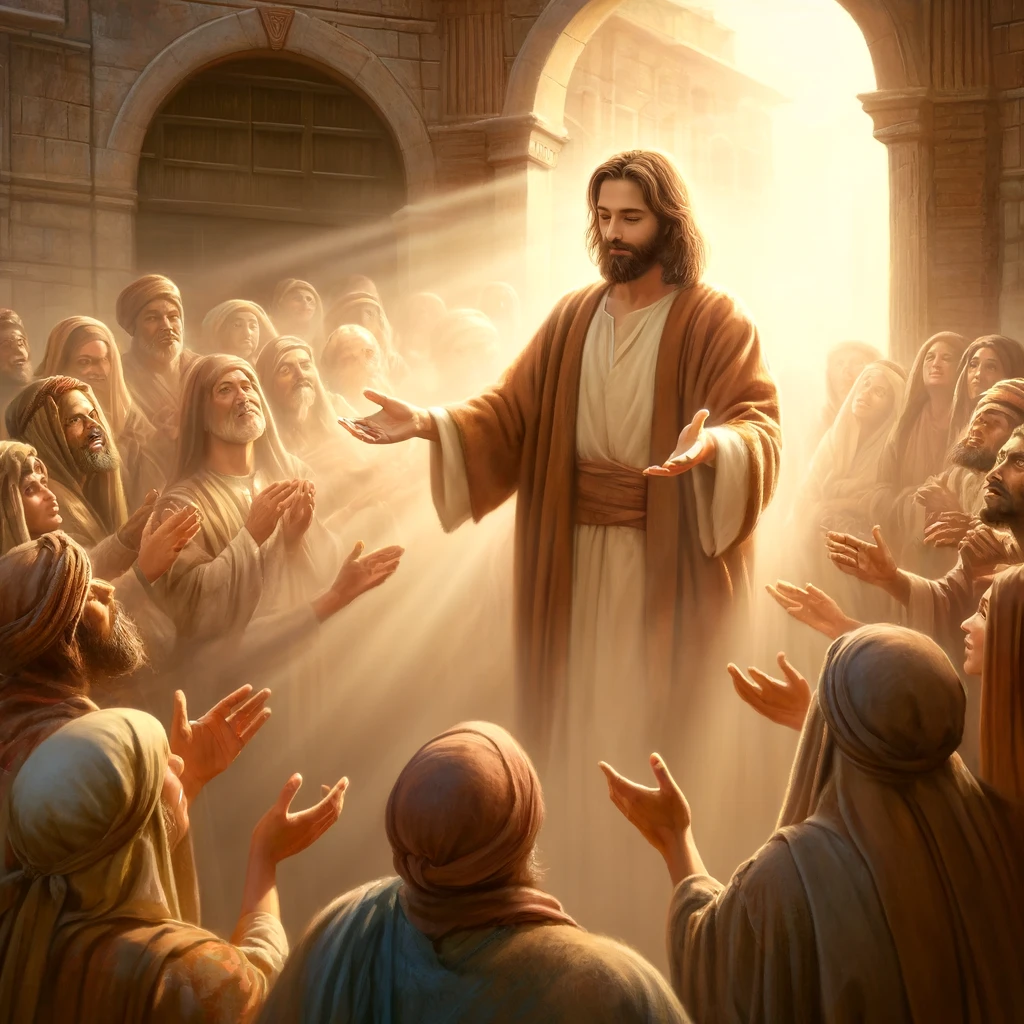
Did you know that Christians founded many of the world’s leading universities? Or that the concept of human rights has deep Christian roots? Christianity’s influence on our world is profound and far-reaching, shaping the very fabric of society in ways that many of us may not even realize. From the earliest days of the church, Christians have worked to bring hope, healing, and justice to those in need.
Even in 2024, the impact of Christianity can be seen in every corner of the globe—through charitable works, educational advancements, healthcare, and so much more. Let’s explore 10 powerful ways this faith continues to make our world a better place, inspiring positive change and lifting up those in need.
1. Inspiring Unprecedented Charitable Giving
Christian Organizations Leading Global Humanitarian Efforts
Christian organizations have long been at the forefront of global humanitarian efforts, from disaster relief to long-term development projects. Groups like World Vision, Samaritan’s Purse, and Compassion International are dedicated to serving the most vulnerable populations around the world, driven by their faith to help those in need. These organizations not only provide immediate relief but also work toward sustainable solutions that lift communities out of poverty.
The Christian call to serve “the least of these” (Matthew 25:40) motivates millions of believers to engage in charity. Their efforts, combined with the work of countless faith-based organizations, have led to transformative change in countries suffering from poverty, war, and natural disasters.
Faith-Motivated Individuals Donating Time and Money
Beyond formal organizations, individual Christians consistently lead the way in charitable giving. Studies have shown that people of faith are often more likely to volunteer their time and donate money to causes that align with their values. This generosity stems from the teachings of Jesus, who emphasized the importance of loving our neighbors and caring for those in need.
In 2024, Christians continue to be a major driving force behind charitable giving, contributing to a wide range of causes—from feeding the hungry to providing clean water in remote areas. The spirit of generosity that the Christian faith inspires is making a tangible difference in communities across the globe.
Impact of Christian Charities on Poverty Alleviation
The work of Christian charities goes beyond short-term aid; it has a long-term impact on poverty alleviation. By providing education, job training, and resources for sustainable development, these organizations help lift individuals and families out of poverty for good. In many parts of the world, Christian-led efforts have led to improved access to healthcare, education, and economic opportunities, empowering people to create a better future for themselves and their communities.
2. Advancing Education for All
Christian Roots of Many Top Universities Worldwide
Did you know that many of the world’s most prestigious universities have Christian roots? Institutions like Harvard, Yale, and Oxford were founded by Christians with a mission to educate and empower future leaders in both spiritual and intellectual matters. These universities began as places where students could deepen their faith while gaining knowledge in various fields, and although many have since become secular, their foundations were firmly rooted in Christian values.
Christianity’s emphasis on education as a means of understanding God’s creation and serving humanity continues to influence the modern world. Even today, many Christian schools and universities around the globe uphold these values, offering students a well-rounded education that incorporates both academic excellence and spiritual growth.
Church’s Role in Promoting Literacy and Education
Historically, the church has played a significant role in promoting literacy and education. In fact, during the Middle Ages, monasteries were centers of learning where monks preserved ancient texts and taught reading and writing to future generations. The church believed that everyone should have access to God’s Word, and this led to widespread efforts to teach people how to read the Bible.
Today, that same commitment to education continues, with churches and Christian organizations working to increase literacy rates in underserved areas around the world. By establishing schools and educational programs, Christians are helping children and adults gain the skills they need to thrive.
Modern Christian Initiatives in Global Education
In 2024, Christians are still championing education, particularly in regions where access to schooling is limited. Organizations like Compassion International and World Vision have built schools in remote areas, providing quality education to children who would otherwise go without. These initiatives not only offer academic instruction but also instill values of love, respect, and community, giving students the tools they need to succeed in life while grounding them in their faith.
Through their efforts, Christian educators are making a profound impact on the future, ensuring that the next generation is equipped to lead with wisdom and compassion
3. Championing Human Rights and Dignity
Christian Foundations of Human Rights Concepts
The very idea of human rights—that every individual has inherent value and deserves respect and dignity—has deep roots in Christian teachings. The belief that all people are made in the image of God (Genesis 1:27) forms the foundation for the Christian understanding of human rights. This perspective has influenced legal systems, social structures, and movements for justice throughout history.
From the abolition of slavery to the fight for civil rights, Christians have been at the forefront of championing the inherent worth of every person. The idea that each individual, regardless of race, gender, or social status, is equal in God’s eyes continues to shape efforts to uphold human rights globally.
Faith-Driven Activism Against Slavery and Trafficking
Throughout history, Christians have led movements to end injustice, particularly slavery. One of the most famous examples is William Wilberforce, a devout Christian who was instrumental in abolishing the British slave trade in the 19th century. Today, the fight against modern slavery and human trafficking continues, with Christian organizations like the International Justice Mission (IJM) working tirelessly to rescue and protect those trapped in exploitation.
These organizations not only fight human trafficking but also advocate for systemic change, partnering with local authorities to strengthen justice systems and prevent future abuses. Inspired by their faith, these modern-day abolitionists are restoring dignity and freedom to the world’s most vulnerable.
Ongoing Christian Efforts for Equality and Justice
In 2024, Christians remain actively engaged in the ongoing fight for equality and justice. From supporting racial reconciliation to advocating for gender equality, Christians are at the forefront of social justice movements that seek to reflect God’s heart for justice and fairness. Churches and faith-based organizations are partnering with communities to address systemic inequalities, creating pathways to lasting change.
These efforts stem from the biblical command to “love your neighbor as yourself” (Mark 12:31), and they continue to be a driving force for positive social transformation worldwide.
4. Pioneering Healthcare and Medical Advancements
Christian Origins of Modern Hospital Systems
The history of modern healthcare is closely tied to Christianity. Early Christians were known for their care of the sick and the dying, often during times of plague and persecution. This compassionate approach led to the creation of some of the first hospitals, founded by Christian leaders who believed in caring for both the body and the soul.
Many of the world’s first hospitals were established by monasteries and religious orders, with the belief that healthcare should be available to all, regardless of status or wealth. This tradition of Christian compassion laid the groundwork for the hospital systems we rely on today.
Faith-Based Medical Missions in Underserved Areas
In 2024, Christian organizations are still leading the way in providing healthcare to underserved communities. Faith-based medical missions, like Doctors Without Borders and Medical Teams International, are bringing essential care to remote and impoverished regions. These missions not only offer medical assistance but also share the hope and love of Christ with those they serve.
Medical missionaries often work in areas where healthcare is limited or nonexistent, providing life-saving treatments, surgeries, and preventative care. Their work is a powerful demonstration of Christ’s love in action, meeting both physical and spiritual needs.
Christian Healthcare Professionals’ Contributions
Christian doctors, nurses, and healthcare professionals continue to make significant contributions to the medical field. Many of them view their work as a ministry, serving patients with compassion and respect while upholding their faith-based values in the practice of medicine. Whether in local hospitals or on the mission field, these professionals bring a holistic approach to healthcare, treating the whole person—body, mind, and spirit.
The influence of Christian healthcare workers is seen not only in the care they provide but also in the ethical principles they uphold, particularly in areas like bioethics, palliative care, and mental health support.
5. Fostering Strong Family Values

Christian Teachings on Marriage and Parenting
The Christian faith places a strong emphasis on the family, viewing marriage and parenting as sacred responsibilities. Christian teachings emphasize love, commitment, and mutual respect in marriage, as well as the importance of raising children to know and follow God. Scriptures like Ephesians 5:25, which instructs husbands to love their wives as Christ loved the church, serve as a guide for healthy, God-centered relationships.
Parenting, too, is seen as a high calling, with Christian parents encouraged to raise their children “in the training and instruction of the Lord” (Ephesians 6:4). These values of love, respect, and responsibility create a foundation for strong, stable families that contribute to the well-being of society as a whole.
Church Support for Families and Relationships
Many churches offer support for families through marriage counseling, parenting workshops, and community groups that provide encouragement and practical advice. Christian communities understand the pressures that modern families face and seek to create environments where families can grow spiritually and emotionally together.
Churches also serve as a place for families to come together for worship, fellowship, and service, fostering unity and providing a strong support system in times of need.
Impact on Societal Stability and Child Well-Being
Strong families are essential to the health and stability of society, and Christian teachings on family values have a significant impact on this. Studies have shown that children raised in loving, faith-filled homes are more likely to thrive academically, emotionally, and socially. The biblical emphasis on love, discipline, and guidance helps children grow into responsible and caring adults who contribute positively to society.
In a world where family structures are often challenged, the Christian model of marriage and parenting offers a blueprint for building stable, nurturing homes that benefit both individuals and society as a whole.
6. Promoting Peace and Reconciliation
Christian Principles of Forgiveness and Peacemaking
At the heart of Christianity is the message of forgiveness and reconciliation. Jesus taught His followers to forgive others as God has forgiven them (Matthew 6:14-15) and to be peacemakers in a world filled with conflict (Matthew 5:9). These principles have inspired countless efforts to bring peace and reconciliation to divided communities and nations.
Christians are called to be agents of peace, promoting forgiveness, understanding, and healing in relationships at every level—whether between individuals or within larger societal conflicts. The teachings of Christ continue to serve as a model for personal and communal peacemaking.
Faith-Based Conflict Resolution Initiatives
Across the world, Christian-led conflict resolution initiatives are working to bring peace to areas torn apart by war, violence, and division. Organizations like the Mennonite Central Committee and World Relief focus on building bridges between divided communities, encouraging dialogue, and promoting nonviolent solutions to conflict. Christian peacemakers often serve in some of the world’s most volatile regions, offering both practical and spiritual solutions to long-standing disputes.
Through their efforts, these organizations are living out the biblical call to “turn the other cheek” and pursue peace, often at great personal risk.
Examples of Christian-Led Peace Efforts Globally
There are numerous examples of Christian-led peace efforts around the world. From the Northern Ireland peace process, which involved significant input from Christian leaders, to peacebuilding efforts in South Sudan, Christians have played an important role in bringing about reconciliation and healing in conflict zones.
These efforts are grounded in the belief that true peace is only possible through the love of Christ. By promoting forgiveness, dialogue, and understanding, Christian peacemakers are helping to heal divisions and build a more peaceful world.
7. Encouraging Personal Growth and Transformation
Christianity’s Emphasis on Moral and Spiritual Development
Christianity has always emphasized the importance of personal transformation—turning away from sinful behaviors and embracing a life led by Christ. Through prayer, reading Scripture, and participating in community worship, Christians are continually encouraged to grow in their moral and spiritual lives. This journey of transformation is rooted in the belief that, through faith in Jesus, individuals can become more like Him in character, embodying love, kindness, humility, and forgiveness.
Romans 12:2 says, “Do not conform to the pattern of this world, but be transformed by the renewing of your mind.” Christianity provides a framework for self-reflection, accountability, and spiritual growth, which leads to profound inner change and, ultimately, a more compassionate and ethical approach to life.
Impact on Addiction Recovery and Rehabilitation
One of the most profound ways Christianity impacts personal transformation is through its role in addiction recovery. Faith-based recovery programs like Celebrate Recovery and Teen Challenge have helped countless individuals overcome addiction and find freedom in Christ. These programs focus not only on breaking free from substance abuse but also on addressing the root causes of addiction, offering spiritual healing and long-term support.
By integrating biblical principles of redemption, forgiveness, and restoration, Christian-based recovery programs empower individuals to rebuild their lives on a foundation of faith, helping them experience true transformation and lasting freedom.
Testimonies of Life Change Through Faith
There are countless testimonies of lives being radically transformed through faith in Christ. From those who have overcome addiction to individuals who have found hope after despair, these stories of personal transformation serve as powerful reminders of Christianity’s ability to bring about deep and lasting change. Many believers have shared how their faith gave them a new sense of purpose, helped them navigate life’s challenges, and renewed their hope for the future.
These testimonies not only inspire others but also highlight the transformative power of the Christian faith, showing that no matter the struggle or circumstances, life change is possible through Jesus.
8. Supporting Mental Health and Well-Being

Church Communities as Support Networks
In a world where mental health issues are on the rise, the church plays a vital role in offering support, care, and a sense of belonging to those who are struggling. Christian communities often act as safe havens where individuals can find encouragement, prayer, and practical help. Through small groups, prayer teams, and pastoral care, churches provide a network of support that helps people navigate difficult seasons in life.
This sense of community is especially important for those facing isolation or loneliness. Churches offer a place where individuals can be part of something bigger than themselves, surrounded by others who share their faith and values. The sense of belonging that comes from being part of a faith community can have a profound impact on mental and emotional well-being.
Christian Counseling and Mental Health Resources
Christian counseling services are another powerful way that the church supports mental health. Faith-based counselors and therapists integrate biblical principles with psychological techniques to offer holistic care for individuals struggling with anxiety, depression, trauma, and other mental health challenges. These counselors help individuals not only address their emotional and psychological needs but also deepen their spiritual walk as they work through life’s difficulties.
Many churches now provide access to Christian counselors or partner with mental health organizations to ensure their members receive the help they need. Christian mental health resources offer a unique perspective by focusing on the healing power of faith and the hope found in Jesus.
Faith’s Role in Coping with Life Challenges
Faith plays a crucial role in helping individuals cope with life’s challenges, offering a sense of hope and peace in difficult times. The belief that God is always with us, even in the darkest moments, provides comfort and strength to those facing adversity. Many Christians find that prayer, Scripture, and fellowship with other believers help them manage stress, fear, and uncertainty.
Philippians 4:6-7 reminds us, “Do not be anxious about anything, but in every situation, by prayer and petition, with thanksgiving, present your requests to God. And the peace of God, which transcends all understanding, will guard your hearts and your minds in Christ Jesus.” This promise of peace helps believers face life’s challenges with resilience, knowing they are never alone.
9. Preserving Culture and Heritage
Christianity’s Influence on Art, Music, and Literature
Christianity has profoundly influenced culture throughout history, particularly in the realms of art, music, and literature. Some of the world’s most iconic artworks, such as Michelangelo’s Sistine Chapel ceiling and Leonardo da Vinci’s “The Last Supper,” were inspired by biblical stories and Christian theology. Music, too, has been shaped by Christianity, with hymns, classical compositions like Handel’s Messiah, and modern worship music all expressing the faith’s impact.
Christianity’s influence extends to literature as well. Works like Dante’s Divine Comedy and John Bunyan’s The Pilgrim’s Progress have shaped literary history while conveying deep spiritual truths. Even today, Christian authors and artists continue to create work that reflects biblical themes, inspiring generations to think deeply about God, faith, and humanity.
Church’s Role in Preserving Historical Artifacts and Knowledge
For centuries, the church has played a key role in preserving historical artifacts, manuscripts, and sacred texts that have shaped both religious and cultural heritage. Monasteries, libraries, and churches have been custodians of ancient knowledge, safeguarding everything from biblical manuscripts to works of philosophy, art, and science. This commitment to preserving knowledge has allowed future generations to learn from and be inspired by the past.
In modern times, churches and Christian organizations continue to preserve important religious artifacts and knowledge, ensuring that history is not lost and that future generations can benefit from the wisdom and beauty of the past.
Christian Contributions to Cultural Diversity
Christianity’s global reach has allowed it to interact with and enrich diverse cultures around the world. From Africa to Asia to the Americas, Christianity has adapted to different cultural contexts while maintaining its core message. Missionaries have contributed to language development, helping to create written languages for indigenous peoples, and have supported the preservation of local traditions in many regions.
In embracing cultural diversity, Christianity fosters unity while celebrating the uniqueness of different people groups. The global church is a reflection of this diversity, with believers from all corners of the world coming together in worship and service, contributing to the richness of both the faith and the world.
10. Inspiring Hope and Resilience
Christian Message of Hope in Difficult Times
One of the most powerful aspects of Christianity is its message of hope, even in the darkest times. The story of Jesus’ resurrection offers believers the promise that, no matter how challenging life may be, there is always hope for a better future. This hope is not just for life after death but for the here and now—God’s presence and love can transform any situation.
In times of personal crisis or global challenges, the Christian message of hope has been a source of strength and comfort for millions. Scriptures like Romans 8:28 remind believers that “in all things God works for the good of those who love him.” This belief that God is sovereign and working for our good gives Christians resilience to face whatever comes their way.
Faith Communities’ Response to Disasters and Crises
Throughout history, Christian communities have played a vital role in responding to disasters and crises, offering both physical aid and spiritual support. From natural disasters to humanitarian crises, churches and Christian organizations are often on the front lines, providing food, shelter, medical care, and emotional support to those affected.
Christian faith communities mobilize quickly to help in times of need, inspired by Jesus’ call to love and serve others. Whether it’s through local churches organizing relief efforts or global organizations like World Vision and Samaritan’s Purse providing long-term assistance, Christians are making a tangible difference in the lives of those facing hardship.
Long-Term Impact of Hope on Individual and Societal Well-Being
The Christian message of hope doesn’t just offer short-term relief—it has a long-term impact on both individuals and society. People who embrace hope through faith often find the strength to persevere through difficult times, and communities grounded in hope and faith are more likely to recover from adversity and build a better future.
Whether it’s offering comfort to someone grieving, providing counseling for those struggling with mental health issues, or helping communities rebuild after a disaster, the hope that Christianity inspires fosters resilience and long-term well-being. This hope is more than just optimism—it’s a deep-rooted belief that, through Christ, there is always a way forward.
Conclusion: Christianity’s Everlasting Positive Impact
From charity to education, human rights to healthcare, Christianity continues to be a powerful force for good in our world. As we’ve seen, the impact of this faith extends far beyond church walls, touching lives and improving societies across the globe. Christianity inspires generosity, compassion, and hope, offering solutions to some of the world’s most pressing issues through both individual acts of kindness and large-scale humanitarian efforts.
In what ways have you seen Christianity make a positive difference? Let’s celebrate these contributions and consider how we can each play a part in making our world a little bit better, inspired by the timeless teachings of love, compassion, and service that are at the heart of the Christian faith.
Explore Christianity’s Global Impact
While we’ve covered ten significant ways Christianity positively influences our world, the faith’s impact is even more extensive. For a deeper dive into Christianity’s global contributions, I highly recommend exploring the comprehensive report “Christianity’s Influence on World Culture” by the Pew Research Center. This in-depth study provides fascinating statistics and insights on Christianity’s role in shaping various aspects of society worldwide.
Discover more about Christianity’s global influence here
Exploring More: Abraham’s Legacy of Faith and Leadership
As we reflect on the many ways Christianity has improved our world, it’s important to remember the key figures of the faith who have set examples for us to follow. One such figure is Abraham, whose unwavering faith and trust in God laid the foundation for many of the principles we hold dear today. His story of obedience and leadership continues to inspire Christians across the globe. If you want to explore more about Abraham’s incredible journey of faith, check out our article Isaac on the Altar: Abraham’s Ultimate Test of Faith. His life offers powerful lessons on trusting God and leading with courage, even in the face of uncertainty.
FAQs (Frequently Asked Questions)
- Has Christianity always been a force for good throughout history? While Christianity has made many positive contributions, it has also faced periods of controversy and conflict. The impact of Christianity varies across different historical contexts.
- What are some examples of Christian humanitarian organizations? Christian humanitarian organizations include World Vision, Samaritan’s Purse, and Catholic Relief Services, among many others, dedicated to helping those in need worldwide.
- How has Christianity influenced art and culture? Christianity has inspired iconic works of art, classical music compositions, and influential literature. Religious themes and stories continue to be prominent in artistic expression.
- Are there any criticisms of Christianity’s influence on society? Yes, there are criticisms, including concerns about historical conflicts, missionary activities, and differing interpretations of Christian teachings.
- Is Christianity the only religion that promotes humanitarian work and social justice? No, many religions and belief systems advocate for humanitarian work and social justice. Acts of compassion and efforts to make the world a better place are not exclusive to Christianity.