Hold onto your staff, folks! We’re about to embark on a wild ride through one of the most epic stories of all time. Picture this: a reluctant, stuttering shepherd becomes the ultimate freedom fighter, taking on the world’s most powerful empire with nothing but a stick and a whole lot of chutzpah. No, it’s not the latest Netflix series – it’s the OG underdog story of Moses! Did you know that this guy tried to turn down the job of liberator five times? Talk about a serious case of imposter syndrome! As we navigate our own Red Seas of self-doubt in 2024, Moses’ journey from “Who, me?” to “Let my people go!” is more relevant than ever. So, grab your sandals and let’s wade into this desert of transformation. Trust me, by the end of this, you’ll be ready to part your own seas of insecurity and lead your personal exodus to freedom!
From Basket Case to Palace Prince: Moses’ Unlikely Beginning
The Dramatic Circumstances of Moses’ Birth
Let’s rewind to the very beginning of Moses’ story. Imagine being born into a world where your very existence is a death sentence. That’s exactly how Moses started his journey. Pharaoh had ordered the death of all Hebrew baby boys, and his mother, desperate to save him, placed him in a basket, trusting God to guide her child’s fate. The idea of sending your baby down the Nile might sound crazy, but here’s where God’s sovereignty shines through.
His Rescue and Adoption by Pharaoh’s Daughter
In a beautiful twist of irony, it was Pharaoh’s own daughter who discovered Moses, rescuing him from the water and raising him as her own. Moses, who was meant to be destroyed by the Egyptians, was instead sheltered and raised in the luxury of Pharaoh’s household. Isn’t it amazing how God works even in what seems like impossible situations?
Growing Up with a Dual Identity: Hebrew and Egyptian
Moses was raised in the Egyptian palace, learning the ways of the world’s greatest empire, but deep down, he knew he was a Hebrew. Can you imagine the internal conflict he must have felt—caught between two identities, never fully belonging to either? He lived with that tension every day, knowing he was both a Hebrew by birth and an Egyptian by upbringing.
The Pivotal Moment of Choosing Sides (Hebrews 11:24-26)
But Moses couldn’t live in both worlds forever. The moment of decision came, and Hebrews 11:24-26 tells us that by faith, Moses chose to align himself with his people, the Hebrews, even though it meant giving up the privileges of palace life. His choice marked the beginning of his incredible journey from royalty to God’s servant, a decision that would shape his destiny and change the course of history.
The Backside of the Desert: When Your GPS Recalculates
Moses’ Flight to Midian After Killing the Egyptian
Have you ever felt like life suddenly went off track? That’s exactly what happened to Moses after he impulsively killed an Egyptian who was beating a fellow Hebrew. Fearing for his life, he fled to the wilderness of Midian, far from the power and influence of Egypt. It seemed like the end of the road for Moses, but in reality, it was just the beginning.
The Shepherd Years: God’s Leadership Training Program
Moses went from being a prince in the palace to a shepherd in the desert. It was a humbling shift, but God was preparing him. Those quiet, obscure years in Midian were part of God’s leadership training program. Moses learned patience, perseverance, and how to care for a flock—skills that would serve him well when leading God’s people through the wilderness.
The Burning Bush Encounter: God’s Unconventional Job Offer
And then came the burning bush—God’s unconventional job offer. Out of nowhere, in the middle of Moses’ ordinary life, God appeared in a flame that burned but did not consume. Isn’t that just like God? Showing up when and where we least expect it! There, in the wilderness, Moses was called to lead the Israelites out of Egypt and into freedom.
Lessons on Finding Purpose in Unexpected Places
This part of Moses’ story always reminds me that God often calls us when we feel most unprepared. Moses thought he was done with Egypt, but God had other plans. It’s a powerful reminder that even when we feel like we’re lost in the wilderness, God is preparing us for something greater. Sometimes, our greatest callings come from the most unexpected places.
“But I Can’t Speak!” – When God Calls, and You Want to Send Him to Voicemail

Moses’ Five Excuses at the Burning Bush
When God called Moses to lead the Israelites out of Egypt, you’d think he would have been honored, right? Well, not quite. Instead of jumping at the opportunity, Moses did what a lot of us do—he tried to talk his way out of it. He gave God five excuses, starting with “Who am I?” and ending with “I am slow of speech and tongue” (Exodus 4:10). Essentially, Moses was saying, “You’ve got the wrong guy, God!”
God’s Patient Responses and Provisions
Here’s what’s beautiful about this moment—God didn’t get angry or frustrated with Moses’ reluctance. Instead, He patiently responded to each excuse. When Moses said he wasn’t good enough, God reminded him that He would be with him. When Moses said he couldn’t speak well, God provided Aaron to help. God always has a way of giving us exactly what we need to fulfill our calling, even when we think we’re not up to the task.
The Root of Moses’ Insecurities and Self-Doubt
At the heart of Moses’ excuses was a deep sense of insecurity and self-doubt. He didn’t see himself as a leader, let alone the one who could confront Pharaoh and lead a nation to freedom. Moses’ story here reminds me that self-doubt is a common human experience, even for those called to great things. But God sees past our doubts and limitations, calling us to rise above them with His strength.
Overcoming the “Who am I?” Syndrome in Our Own Lives
How often do we experience that same “Who am I?” syndrome when God calls us to step out in faith? I know I’ve felt it many times. But Moses’ story encourages me to trust in God’s ability, not my own. If God could use a stuttering shepherd to free a nation, He can certainly use us, imperfections and all, to fulfill His purpose in our lives.
Facing Pharaoh: When Your Boss Is Literally a God-Complex on Steroids

Moses and Aaron’s First Encounters with Pharaoh
Can you imagine what it must have been like for Moses and Aaron to stand before Pharaoh, the most powerful man on earth at the time? Pharaoh wasn’t just a king—he was considered a god. Yet here stood Moses, a former fugitive, demanding that Pharaoh let the Israelites go. Talk about intimidating! Their first encounter didn’t go well. Pharaoh hardened his heart, refusing to budge, and even made the Israelites’ lives more difficult by increasing their workload.
The Escalating Conflict and the Ten Plagues
But God had a plan, and He unleashed it in the form of the ten plagues. Each plague was a direct challenge to the Egyptian gods, showing Pharaoh that the God of Israel was the true Lord of all. With every plague, the conflict escalated, but Pharaoh’s pride kept him from giving in until the final, devastating plague—the death of the firstborn.
Lessons in Persistence and Standing Firm Under Pressure
Moses’ persistence through this escalating battle teaches us a valuable lesson: when God calls us to a mission, it won’t always be easy. There will be opposition, challenges, and even moments when it feels like nothing is changing. But Moses didn’t give up, and neither should we. Sometimes, standing firm in the face of overwhelming pressure is exactly what God is asking us to do.
Recognizing God’s Power at Work Through Human Weakness
In the midst of the plagues and Pharaoh’s stubbornness, we see an incredible truth: God works through human weakness to display His power. Moses wasn’t strong, persuasive, or eloquent. Yet, God used him as an instrument to deliver His people. It’s a reminder to me that it’s not about our abilities—it’s about God’s ability to work through us, even when we feel weak or inadequate.
The Ultimate Exit Strategy: Parting the Red Sea and Other Party Tricks
The Dramatic Escape from Egypt
The climax of Moses’ story is nothing short of epic. After the final plague, Pharaoh finally let the Israelites go, and they set out on their journey to freedom. But, as we know, Pharaoh had a change of heart and sent his army to chase after them. Picture the scene: the Israelites are trapped between the Red Sea and the Egyptian army, with nowhere to go. It seemed like the end, but God had other plans.
The Miracle at the Red Sea
And then it happened—the miracle that no one saw coming. With nothing but a staff in hand and faith in God’s command, Moses raised his arms, and the Red Sea parted. Can you imagine standing there, watching the waters separate into walls on either side, creating a dry path? It’s one of those “wow” moments where God shows up in an unmistakable way. It reminds me that even when we feel cornered by life’s challenges, God can make a way where there seems to be no way.
Dealing with Complainers and Doubters (aka the Israelites)
But here’s the kicker—the Israelites didn’t immediately celebrate their miraculous escape. Instead, they grumbled. Isn’t it interesting how quickly we can forget God’s faithfulness in the face of a new challenge? Moses had to deal with constant complaints from the Israelites, and yet, he persevered. This is a lesson in leadership, especially when it comes to managing people who aren’t always on board with the plan.
Finding Courage to Move Forward When There’s No Turning Back
What I love most about this story is the courage it took for Moses to move forward when there was no turning back. He could have panicked, given up, or tried to negotiate with Pharaoh, but he trusted God’s direction. This challenges me to ask: how often do I find myself stuck in fear when God is calling me to move forward? Moses’ faith at the Red Sea is a powerful reminder to step out in faith, trusting that God will provide the path.
Wilderness Wanderings: When Your Short Trip Turns into a 40-Year Road Trip

Providing for a Nation in the Desert
You’d think the hard part was over once they crossed the Red Sea, right? Not quite. The wilderness was a whole new challenge. Moses found himself leading an entire nation of people—many of whom were constantly questioning his leadership—through the barren desert. And yet, God provided. From manna falling from the sky to water flowing from rocks, God miraculously sustained His people.
The Giving of the Ten Commandments
In the midst of their wanderings, God gave Moses the Ten Commandments—a foundational moment not just for the Israelites, but for all of us. Moses went up Mount Sinai to receive these laws, written by God’s own hand, which would guide the Israelites in their new life of freedom. The Ten Commandments weren’t just rules; they were a covenant, showing God’s deep desire for a relationship with His people. This is a moment that still resonates today, as we strive to live out these timeless principles in our own lives.
Moses’ Role as Mediator Between God and the People
Moses didn’t just act as a leader—he was also a mediator between God and the people. There were times when God’s righteous anger burned against the Israelites for their disobedience, and Moses stood in the gap, interceding on their behalf. This reminds me of the importance of prayer and intercession, standing in the gap for those who need God’s mercy and grace.
Lessons in Patience, Perseverance, and People Management
The wilderness years were a test of patience, both for Moses and the people. What was supposed to be a relatively short journey turned into a 40-year ordeal. Moses’ ability to persevere through endless complaints, rebellion, and hardship is a testament to his leadership and faith. It also teaches us the importance of patience when God’s timing doesn’t match ours. Leading people is never easy, but Moses showed us what it means to stay faithful even when the road is long and challenging.
The Golden Calf Incident: When Your People Throw a Party and It Goes Horribly Wrong
The People’s Rebellion and Idolatry
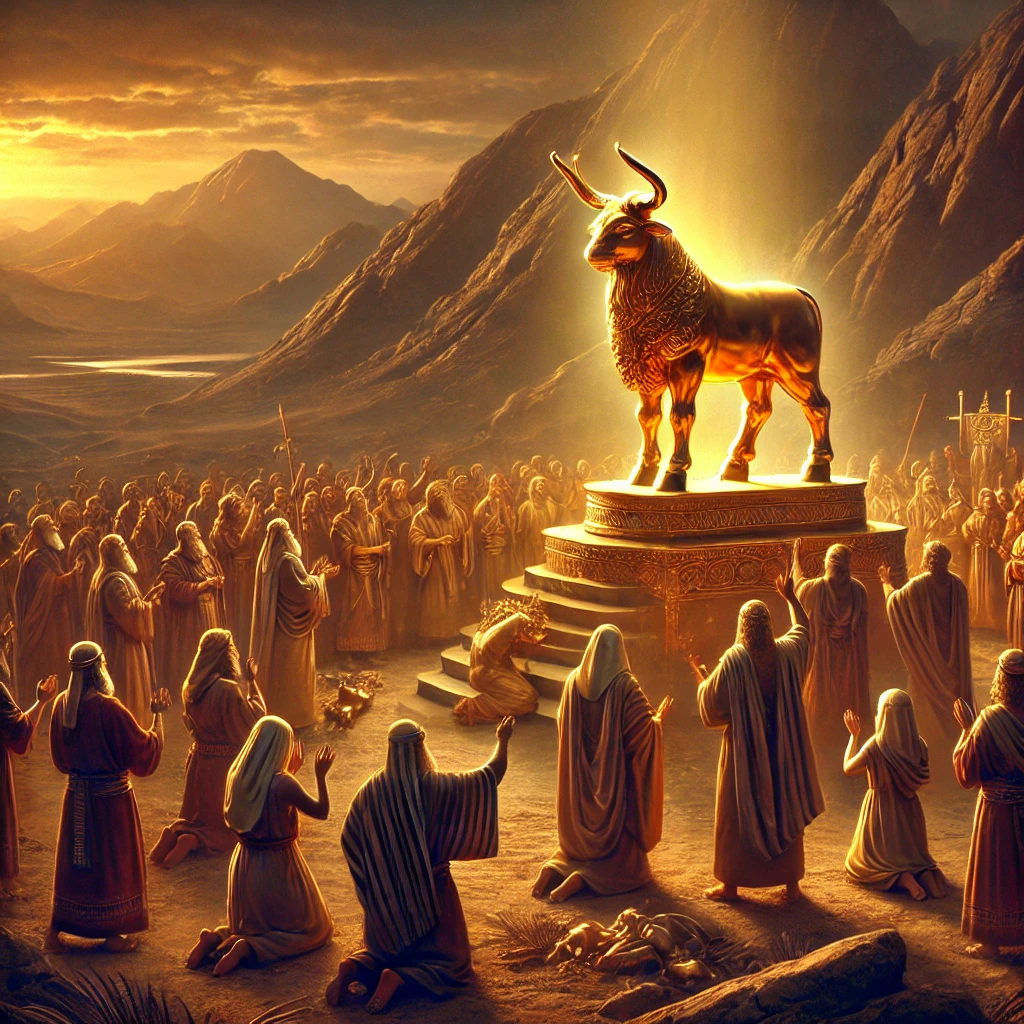
Just when things seemed to be going well, the Israelites did what humans often do when left to their own devices—they messed up. While Moses was up on Mount Sinai receiving the Ten Commandments, the people down below grew impatient and decided to take matters into their own hands. They crafted a golden calf to worship, essentially throwing a rebellious party in the wilderness. It’s mind-boggling how quickly they turned to idolatry, especially after witnessing God’s miracles firsthand. But it’s a reminder of how easily we can fall into temptation and lose sight of God when we grow impatient with His timing.
Moses’ Intercession for the People
When Moses came down from the mountain and saw what the people had done, he was furious. Yet, despite his anger, Moses did something remarkable—he interceded for the Israelites, pleading with God not to destroy them for their sin. This act of intercession is such a powerful example of the compassion and responsibility of a true leader. Moses wasn’t just concerned with his own reputation; he cared deeply for the people he was leading, even when they were in the wrong.
The Broken Tablets and Renewed Covenant
In his anger, Moses broke the stone tablets containing the Ten Commandments, symbolizing the broken covenant between God and Israel. But the story doesn’t end there. God, in His mercy, renewed the covenant with the people, and Moses returned to the mountain to receive a new set of tablets. This speaks to the nature of God’s grace—He is always willing to forgive and restore when we repent and turn back to Him.
Balancing Justice and Mercy in Leadership
As a leader, Moses had to balance justice with mercy. The people deserved punishment for their idolatry, yet Moses sought God’s mercy on their behalf. This balance is something I think we all strive for in leadership—holding people accountable while still showing compassion and grace. Moses teaches us that while leadership can be tough, it must always be rooted in love and a desire to see others restored.
Water from a Rock: Spectacular Success and Spectacular Failure
The First Water-From-Rock Miracle: A Triumph of Faith
One of the most famous miracles in Moses’ journey happened when the Israelites were thirsty and complaining in the wilderness. At God’s command, Moses struck a rock, and water flowed out to quench the thirst of an entire nation. It was a miraculous demonstration of God’s provision in a seemingly hopeless situation. This was a moment of triumph, where Moses’ faith led to God’s power being revealed in a tangible way. It’s a reminder that even in our dry seasons, God can bring forth living water to sustain us.
The Second Incident: Moses’ Moment of Disobedience
But then there was a second incident involving water from a rock—this time, Moses didn’t follow God’s exact instructions. Instead of speaking to the rock as God had commanded, Moses, in his frustration, struck the rock twice. While water still flowed, this act of disobedience had serious consequences. Moses had let his frustration with the people cloud his judgment, and because of this, God told him that he would not lead the Israelites into the Promised Land. It’s a sobering reminder that even small acts of disobedience can have far-reaching consequences, especially when we are in positions of leadership.
The Consequences of Moses’ Anger and Presumption
Moses’ actions in this moment were driven by frustration and anger, something I think many of us can relate to. He had faithfully led the people for so long, and yet, in a moment of weakness, he presumed upon God’s mercy and took matters into his own hands. The consequences were severe—Moses would see the Promised Land from afar, but he would not enter it. This part of Moses’ story is a powerful reminder to me that even when we feel justified in our anger or frustration, we must still follow God’s direction closely.
Learning from Mistakes and Dealing with Disappointment
Moses’ disobedience and the subsequent consequence must have been deeply disappointing for him. After everything he had endured and accomplished, he would not complete the final leg of the journey into the Promised Land. Yet, Moses continued to serve faithfully, mentoring Joshua and leading the people until the very end. His story encourages us to learn from our mistakes, deal with disappointment with grace, and trust that God’s plan is still good, even when we face setbacks.
Passing the Baton: Preparing the Next Generation
Moses’ Preparation of Joshua as His Successor
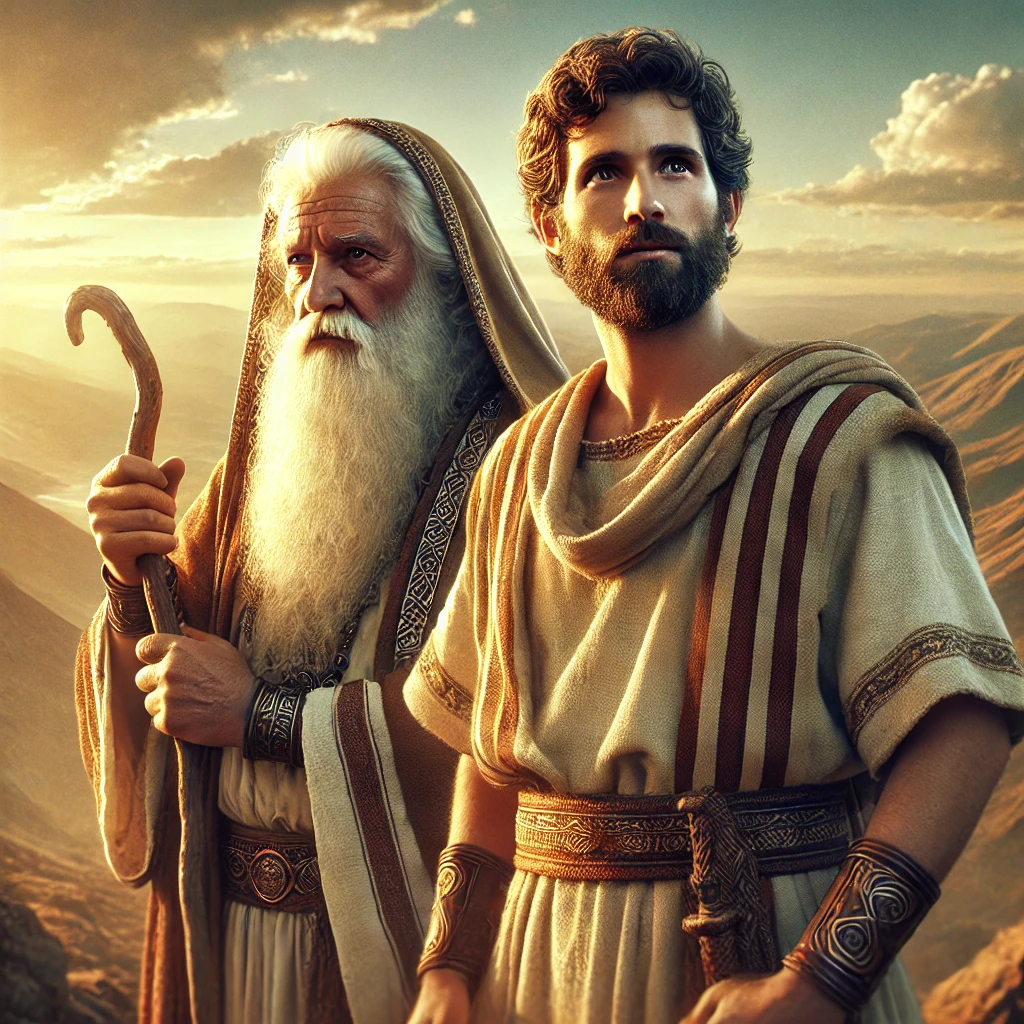
One of the most remarkable aspects of Moses’ leadership was his intentional preparation of Joshua as the next leader of Israel. Moses knew that he wouldn’t be leading the people into the Promised Land, so he took the time to mentor Joshua, ensuring that the next generation would be ready for the challenges ahead. This speaks volumes about Moses’ character—he wasn’t focused on his own legacy or achievements; he was committed to God’s plan and the future of Israel. Joshua had been by Moses’ side for many years, learning from him, watching him lead, and growing into the role that God had prepared for him.
The Importance of Mentoring and Legacy-Building
Moses’ mentorship of Joshua reminds me of how vital it is for us to invest in the next generation. Whether it’s within our families, churches, or communities, we are called to pass on the wisdom and experiences we’ve gained. Moses wasn’t afraid to share the mantle of leadership, knowing that true legacy isn’t about holding onto power, but about empowering others to step into their calling. As we navigate our own lives and leadership roles, we should be asking ourselves: who are we mentoring, and how are we building a legacy that will outlast us?
Moses’ Final Speeches and Blessings to the People
As Moses’ journey neared its end, he delivered some of the most powerful speeches recorded in Scripture. In the book of Deuteronomy, Moses reminded the people of God’s faithfulness, gave them instructions for the future, and issued blessings for each of the tribes of Israel. These final words were like a father passing on his wisdom and heart to his children. It was Moses’ way of ensuring that the people would remember God’s laws, promises, and guidance long after he was gone.
Facing the End of Our Journey with Faith and Grace
Moses faced the end of his life with a remarkable sense of faith and grace. Even though he knew he wouldn’t enter the Promised Land, he trusted God’s plan and poured himself into preparing the people and his successor for what lay ahead. This teaches me so much about how to handle the end of different seasons in life—whether it’s a job, a ministry, or a personal journey. There’s grace in knowing when to step aside and allow the next generation to take the lead. Moses’ example challenges us to finish our journeys well, with a focus on faith, legacy, and God’s greater plan.
The View from Nebo: So Near, Yet So Far
Moses’ Climb Up Mount Nebo
As Moses’ life drew to a close, God led him to Mount Nebo, where he was given a final, breathtaking view of the Promised Land. I can only imagine what must have been going through Moses’ mind as he gazed out at the land he had been working toward for so many years. This was the place he had longed to lead the Israelites into, yet God had already told him he wouldn’t enter it himself. In many ways, this scene feels bittersweet—Moses was so near to the fulfillment of the promise, yet so far from physically experiencing it. It’s a poignant reminder that sometimes, our role in God’s plan is to prepare others for a future that we may not personally see.
God Showing Moses the Promised Land
What stands out to me about this moment is that, even though Moses wouldn’t enter the Promised Land, God still honored him by allowing him to see it. It’s as if God was saying, “You’ve completed your mission, and now you can rest in the knowledge that the future is secure.” God’s faithfulness to Moses is evident here, as He allowed Moses a glimpse of what he had been working toward for so long. Even though Moses’ journey was ending, the journey of Israel was just beginning.
The Mystery of Moses’ Death and Burial
Moses’ death is one of the great mysteries of the Bible. The Scriptures tell us that Moses died on Mount Nebo, but no one knows where he was buried because God Himself buried Moses. This intimate act between God and Moses speaks volumes about the unique relationship they shared. It also leaves us with a sense of wonder and awe, as Moses’ departure was as mysterious and divine as his life had been. His death may be shrouded in mystery, but his impact is clear—he had fulfilled the purpose God had for him.
Finding Satisfaction in Completing Our God-Given Mission
What I find so inspiring about Moses’ final moments is his ability to rest in the knowledge that he had completed the mission God gave him. Even though he didn’t physically enter the Promised Land, Moses didn’t need to—his legacy lived on through the people he had led and the leaders he had mentored. This challenges me to think about how I measure success. Moses’ life teaches us that true satisfaction comes from knowing we’ve been faithful to our calling, regardless of whether we see the final outcome ourselves.
Moses’ Leadership Lessons for 2024: From Sinai to Silicon Valley
Embracing Your Unique Calling, Quirks and All
One of the greatest lessons from Moses’ life is that God can use anyone, quirks and all. Moses wasn’t a natural-born leader—he had a stutter, he doubted himself, and he tried to run from his calling. Yet, God saw beyond his insecurities and called him to lead one of the most important missions in history. This encourages me to embrace my own unique calling, even when I feel unqualified or unsure. God doesn’t call the equipped; He equips the called.
Overcoming Self-Doubt and Imposter Syndrome
If anyone knew about imposter syndrome, it was Moses. He spent a good portion of his early journey trying to convince God that he wasn’t the right person for the job. Sound familiar? I think we’ve all been there. But Moses’ story shows us that overcoming self-doubt is possible when we trust in God’s strength instead of our own. As we navigate our own challenges in 2024, we can look to Moses as a reminder that God’s power is made perfect in our weakness.
Leading with Humility and Dependence on God
Moses wasn’t just a great leader because of his strength—he was great because of his humility. He knew that he couldn’t do it alone, and he constantly relied on God’s guidance. In today’s world, where self-reliance and independence are often glorified, Moses teaches us the value of humility and dependence on God. His leadership wasn’t about control or ego—it was about serving God and His people.
Balancing Confrontation and Compassion in Leadership
Throughout his life, Moses had to confront Pharaoh, the Israelites, and even his own doubts. Yet, he did it with a balance of confrontation and compassion. He wasn’t afraid to stand up for what was right, but he also cared deeply for the people he led. This balance is crucial in leadership today, whether we’re leading a team at work, a family, or a ministry. Moses reminds us that good leadership requires both strength and empathy.
Conclusion: Leading Your Own Exodus to Freedom
Wow! Who would have thought that a man with a speech impediment could drop so many leadership gems? Moses’ journey from the banks of the Nile to the edge of the Promised Land is far more than just a Sunday school story—it’s a masterclass in overcoming self-doubt, leading under pressure, and trusting in a power greater than ourselves.
In our modern world, filled with curated social media feeds and endless comparisons, Moses reminds us that greatness often starts with “Who, me?” moments. We’ve all been there—facing our own versions of Pharaoh, standing at the shores of our Red Seas, wondering if we’ve got what it takes. But here’s the good news: God doesn’t call the qualified; He qualifies the called.
So, the next time you feel like you’re drowning in self-doubt or facing a challenge that seems insurmountable, remember Moses. Your own burning bush moment might be right around the corner. Are you ready to take off your sandals and step into your calling? Even if you stutter, stumble, or strike a few rocks along the way, trust that God’s GPS is leading you toward your Promised Land.
Moses’ life teaches us that the journey won’t always be easy, but the destination is worth it. So go ahead—part your own seas of impossibility and lead your personal exodus to freedom. The Promised Land is waiting, and with God on your side, you just might lead others there too.
Wilderness Leadership Lessons: How Moses Led Through the Hardest Seasons
Moses’ leadership wasn’t just defined by the miracles or the big moments; it was also shaped by how he guided the Israelites through the long, hard years in the wilderness. The desert wasn’t just a physical place—it was a season of growth, trial, and trust-building for both Moses and the people he led. From managing constant complaints to dealing with rebellion, Moses faced challenges that would test any leader’s patience and faith.
For a deeper dive into the invaluable lessons Moses learned during these wilderness years, I encourage you to check out our article on Moses’ Wilderness Leadership Lessons. It’s a powerful reminder that the toughest seasons often bring the greatest growth, both in leadership and in faith.
Further Insight
To deepen your understanding of Moses’ journey from self-doubt to leadership, we recommend reading “The God of the Burning Bush is the God who Redeems Failure” by Micah Bales. This insightful article explores Moses’ initial failure as a freedom fighter and how God transformed him into a powerful leader. It offers valuable perspectives on overcoming past mistakes and embracing God’s calling, even when we feel inadequate.Read the full article here: The God of the Burning Bush is the God who Redeems Failure