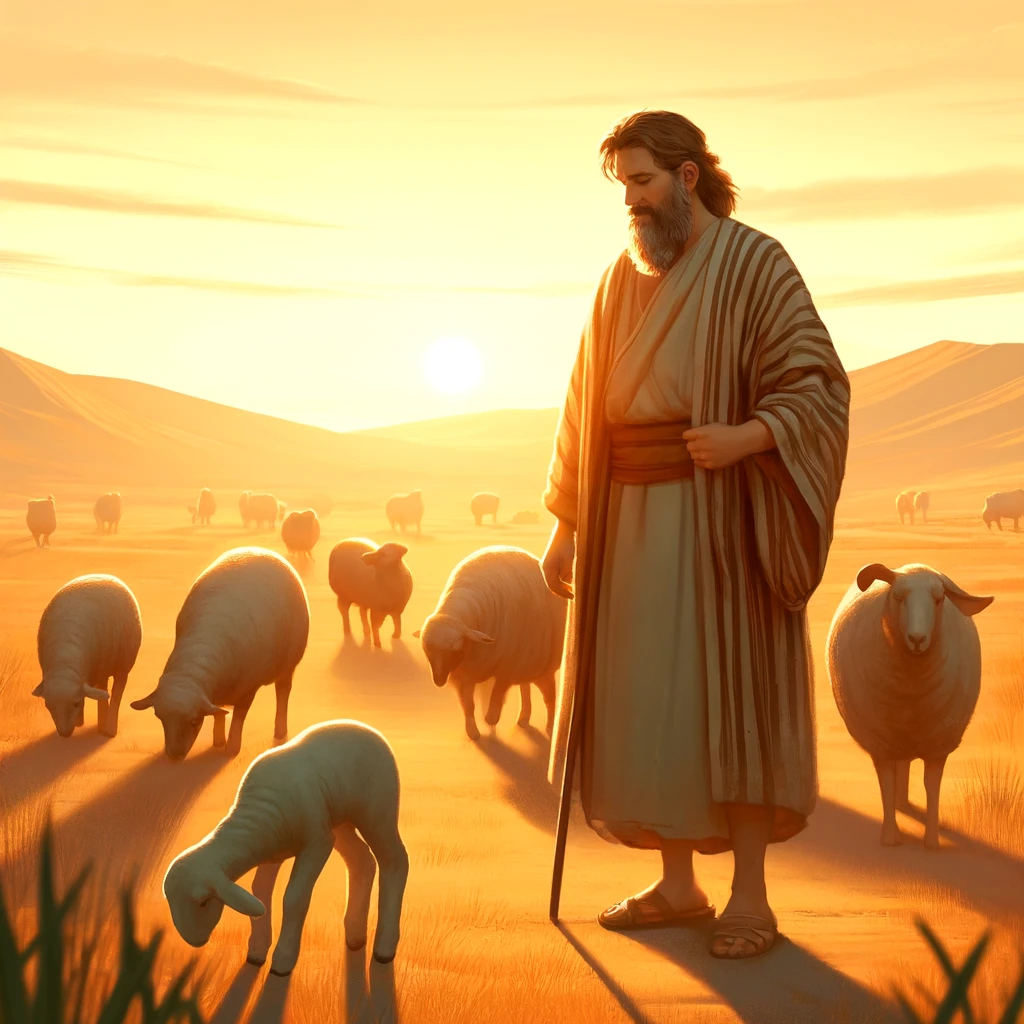
Hey there, history buffs and Bible enthusiasts! 🌟 Ready for an adventure that makes your favorite blockbuster look like a quiet night in? Welcome to Exodus – the original epic of freedom that’s been captivating hearts for thousands of years! Did you know that the events of Exodus likely took place around 1446 BC? That’s over 3,400 years ago, and yet its themes of liberation, faith, and perseverance are as relevant as ever. From plagues that would make any horror movie jealous to a sea parting like nature’s own theatrical curtain, we’re about to embark on a journey that’ll make you say, “Move over, Hollywood!” So grab your virtual staff, and let’s dive into this incredible story of a people’s quest for freedom. Trust me, by the end of this, you’ll be looking at your own challenges in a whole new light! 🌊🗻🔥
Setting the Stage: The Israelites in Egypt
Before we dive into the epic story of Exodus, let’s take a moment to set the scene. We’re talking about a time in history where a small family grows into a great nation — but not without enduring some serious hardship along the way. If you’re ever wondering how God works through even the darkest times, this part of the story shows us just that.
Remember Joseph? He was sold into slavery by his own brothers, but God raised him up to become one of the most powerful men in Egypt. Because of Joseph’s faithfulness, the Israelites — his family — were treated with favor and lived in peace in the land of Egypt for many years. But like all good things, this season of blessing came to an end. As generations passed and a new Pharaoh came to power, one who had no connection to Joseph, everything changed.
The Transition from Joseph’s Favor to Slavery
It’s hard to imagine, but the Israelites went from being honored guests in Egypt to oppressed slaves. The new Pharaoh saw how numerous they had become, and instead of welcoming their growth, he feared it. He worried that if war broke out, the Israelites might join Egypt’s enemies and escape. So, what did Pharaoh do? He enslaved them, forcing them to build cities and work in grueling conditions. The people who were once a blessing to Egypt were now treated as a threat. This is a powerful reminder of how fear and pride can distort our view of others.
The Oppression Under a New Pharaoh
The oppression didn’t stop at forced labor. Pharaoh was determined to keep the Israelites under control, so he issued a horrific order — every baby boy born to the Hebrews was to be thrown into the Nile. Can you imagine the heartbreak? Mothers and fathers forced to give up their precious children, powerless against the cruelty of the ruler who held them captive. It’s during this dark time that we see God begin to set His plan for deliverance in motion.
The Birth and Early Life of Moses
Enter Moses. Even as Pharaoh ordered the death of Hebrew boys, God had a plan to raise up a deliverer. Moses was born into a world of danger, but his mother refused to give him up without a fight. She placed him in a basket and sent him down the Nile, trusting that somehow, God would protect him. And protect him, He did! Pharaoh’s own daughter found Moses and raised him as her own, right under Pharaoh’s nose. Isn’t it amazing how God works? He used the very household of the enemy to nurture the one who would one day lead His people to freedom.
Moses grew up in the palace, but his heart was always with his people. He knew he was different, and deep down, he had a sense of calling — even if he didn’t know exactly what that calling would look like. Little did he know, God was about to reveal Himself in a way that would change the course of history forever.
The Burning Bush: A Divine Call to Action

Now, this is where things start to get really exciting! Imagine being Moses — you’ve escaped the luxury and danger of Pharaoh’s palace, and now you’re living a quiet life as a shepherd in the desert. You might even think that this is where your story ends. You tried to help your people once, but it didn’t go as planned. Now, you’ve settled into a new life far from Egypt. But God isn’t done with Moses yet — not by a long shot!
Moses’ Encounter with God at Horeb
One day, as Moses is tending his flock near Mount Horeb, something absolutely incredible happens. He notices a bush on fire, but it’s not burning up. Talk about a strange sight! Out of curiosity, he moves closer, and then — God speaks. “Moses, Moses!” I can only imagine the shock Moses must have felt. The God of his ancestors, the God of Abraham, Isaac, and Jacob, was calling out to him. This wasn’t just a random encounter; it was a divine invitation. God had seen the suffering of His people in Egypt, and now He was ready to act — through Moses.
I don’t know about you, but the idea that God might call us when we least expect it is both thrilling and humbling. Moses wasn’t looking for a divine mission; he was just living his life. Yet, God had a bigger plan, and Moses was about to step into something far greater than he could have ever imagined.
The Revelation of God’s Name: I AM WHO I AM
When Moses hears the voice of God, he’s understandably cautious. He asks, “Who am I that I should go to Pharaoh and bring the Israelites out of Egypt?” But God doesn’t focus on Moses’ doubts. Instead, He reassures him with a powerful promise: “I will be with you.” And then comes one of the most profound moments in all of Scripture — God reveals His name. When Moses asks, “Who should I say sent me?” God replies, “I AM WHO I AM.” This name is so significant because it speaks to God’s eternal nature — He is self-existent, unchanging, and ever-present.
For me, this is a reminder that when God calls us, it’s not about our qualifications or abilities. It’s about who He is. He’s the one who equips us, sustains us, and walks with us every step of the way. When God says “I AM,” it means He is everything we need, no matter the task ahead.
Moses’ Reluctance and God’s Assurances
Now, let’s be real here. Moses wasn’t exactly jumping at the chance to lead this mission. He had doubts, insecurities, and a whole list of reasons why he wasn’t the right guy for the job. Does that sound familiar? I think we’ve all been there — feeling inadequate, overwhelmed, or just plain scared to step into what God is calling us to do.
But here’s the beautiful thing about this part of Moses’ story: God doesn’t give up on him. Instead, He patiently addresses each of Moses’ concerns. God provides signs, promises that Moses’ brother Aaron will help him, and most importantly, He reminds Moses that it’s not about him — it’s about God’s power working through him.
This part of the story always encourages me because it shows that God understands our fears and hesitations, yet He still chooses to work through us. He knows we aren’t perfect, but He doesn’t need us to be. What He needs is our willingness to say yes, even if we feel unprepared.
Confronting Pharaoh: The Battle of Wills Begins

Moses, now armed with the divine calling and promises of God, returns to Egypt to fulfill a mission that no one could have expected: to demand that Pharaoh, the most powerful ruler in the world, release an entire nation of slaves. Can you imagine how overwhelming that must have felt? Yet, with God on his side, Moses presses forward.
Moses and Aaron’s First Audience with Pharaoh
Moses doesn’t confront Pharaoh alone — God sends Aaron, Moses’ brother, to speak on his behalf. The first meeting between them and Pharaoh is tense, to say the least. Moses and Aaron boldly declare, “This is what the Lord, the God of Israel, says: ‘Let my people go, so that they may hold a festival to me in the wilderness.’” (Exodus 5:1). But Pharaoh’s heart is cold. He scoffs at the idea of Israel’s God and refuses to let the people go. Instead, he makes their lives even harder by increasing their workload.
This initial failure must have been discouraging for Moses and Aaron. They came in with the full confidence of God’s command, yet Pharaoh’s defiance only made things worse for their people. It reminds me that sometimes, even when we’re doing exactly what God calls us to do, things don’t always get easier right away. In fact, sometimes they get harder. But, just as in Moses’ case, this is often part of a bigger plan that we can’t yet see.
The Hardening of Pharaoh’s Heart
One of the most fascinating aspects of this story is the repeated reference to Pharaoh’s heart being hardened. Each time Moses and Aaron approach him with God’s command to let the Israelites go, Pharaoh digs in his heels, refusing to budge. Sometimes, the Bible says Pharaoh hardened his own heart, and other times, it says God hardened Pharaoh’s heart (Exodus 9:12).
This can be hard to understand, but here’s what I take from it: Pharaoh’s resistance allowed God to demonstrate His power and justice in ways that would become undeniable not just to the Egyptians, but to all nations. God had a bigger purpose, even in the midst of Pharaoh’s stubbornness. It’s a reminder that, while we have free will, God’s plans cannot be thwarted by human defiance. His purposes will prevail, even when we can’t fully comprehend how.
The Escalating Conflict Between God and the Gods of Egypt
What’s really striking is that this wasn’t just a battle between Moses and Pharaoh — it was a showdown between the God of Israel and the gods of Egypt. Each time Moses performed a miracle by God’s power, Pharaoh’s magicians tried to mimic it. But as the conflict intensified, it became clear that Egypt’s gods and magicians were no match for the one true God.
This is a powerful reminder for us today. There are many things in this world that claim to have power — whether it’s wealth, status, or even fear. But when we align ourselves with God, we stand with the One who is greater than all these things. The gods of this world will fall, but our God reigns supreme. Just as He did in Egypt, He will show His power and deliver His people, no matter the opposition.
The Ten Plagues: Divine Judgment and Deliverance

As the battle between God and Pharaoh intensifies, we see God begin to unleash a series of plagues upon Egypt. These plagues are not random; each one has a deep significance, targeting not only Pharaoh’s stubbornness but also the very gods that the Egyptians worshipped. Through these divine judgments, God reveals His unmatched power and His determination to set His people free.
Overview of Each Plague and Its Significance
The ten plagues are among the most well-known and dramatic events in the Bible. Each plague grows in intensity, showing both Egypt and Israel that the God of the Hebrews is not to be ignored. Here’s a quick look at each one:
- Water Turned to Blood (Exodus 7:14-24) — The Nile, Egypt’s lifeblood, was turned into blood, killing fish and making the water undrinkable. This attacked the Egyptian god of the Nile, Hapi.
- Frogs (Exodus 8:1-15) — Frogs invaded every corner of Egypt, swarming homes and fields. This targeted the goddess Heqet, who was depicted with a frog’s head and symbolized fertility.
- Gnats (Exodus 8:16-19) — The dust of Egypt became gnats that tormented both people and animals. The magicians of Egypt couldn’t replicate this plague, acknowledging, “This is the finger of God” (Exodus 8:19).
- Flies (Exodus 8:20-32) — Swarms of flies filled Egypt, causing destruction and chaos. The land of Goshen, where the Israelites lived, was spared from this plague, showing a clear distinction between God’s people and the Egyptians.
- Death of Livestock (Exodus 9:1-7) — All of Egypt’s livestock died, affecting their economy and worship, since many of their gods were associated with animals.
- Boils (Exodus 9:8-12) — Painful boils broke out on the Egyptians, showing that even their bodies were not beyond the reach of God’s judgment.
- Hail (Exodus 9:13-35) — A devastating hailstorm destroyed crops and livestock, targeting the sky gods like Nut and Seth. It was the worst storm Egypt had ever seen, and only the Israelites were spared.
- Locusts (Exodus 10:1-20) — Swarms of locusts consumed everything left after the hail, stripping the land bare. Pharaoh’s magicians were helpless against this overwhelming force.
- Darkness (Exodus 10:21-29) — Darkness covered Egypt for three days, symbolizing judgment on Ra, the sun god. Only the Israelites had light during this time.
The Final Plague: The Passover and Its Lasting Impact
The tenth and final plague was the most devastating of all: the death of the firstborn (Exodus 11-12). This plague struck at the very heart of Egypt, taking the lives of the firstborn in every Egyptian household, from the palace of Pharaoh to the humblest servant’s home. But in this moment of judgment, we also see God’s mercy toward His people. He instructed the Israelites to sacrifice a lamb and mark their doorposts with its blood. When the angel of death passed through Egypt, it would “pass over” any home marked with the blood, sparing them from the plague.
This event became the foundation for the Jewish festival of Passover, a lasting reminder of God’s deliverance. For Christians, the Passover foreshadows the ultimate sacrifice of Jesus Christ, the Lamb of God, whose blood delivers us from the judgment of sin and death.
I don’t know about you, but this part of the story always gives me chills. It’s a stark reminder of the consequences of defying God, but also a beautiful picture of His grace and mercy. Through the blood of the lamb, the Israelites were spared, just as we are spared today through the blood of Jesus. The Passover isn’t just a historical event — it points us to the greatest act of deliverance in human history.
The Exodus: Freedom at Last

Finally, after nine plagues that rocked Egypt to its core, Pharaoh relents in the wake of the tenth plague — the death of the firstborn. The cries of anguish across the land are deafening, and Pharaoh, broken and defeated, commands Moses and the Israelites to leave at once. Can you imagine the sense of relief and excitement the Israelites must have felt? After generations of slavery, they were finally free!
The Dramatic Departure from Egypt
The Israelites didn’t leave Egypt quietly. In fact, God instructed them to ask the Egyptians for silver, gold, and clothing as they prepared to leave. Remarkably, the Egyptians, eager to see them go and in awe of God’s power, gave them everything they asked for. This wealth would later be used to build the tabernacle, but at the moment, it symbolized the reversal of fortune. The Israelites, once oppressed slaves, were now leaving with the spoils of their oppressors (Exodus 12:35-36).
That night, the Israelites set out on their journey toward freedom, but they weren’t alone. God led them with a pillar of cloud by day and a pillar of fire by night, guiding them toward the Promised Land. These miraculous signs showed that God was with them every step of the way, never leaving them to navigate this new chapter alone. Even today, I find comfort in knowing that when God leads us, He doesn’t abandon us. His presence guides us, even through the unknown.
Crossing the Red Sea: Miracle and Judgment
As the Israelites traveled, Pharaoh had a change of heart. Realizing the loss of his entire workforce, he rallied his army and chased after them. Imagine the fear that swept through the Israelites as they found themselves trapped between the Red Sea and the advancing Egyptian army. It must have seemed like the end — after all, how could they possibly escape this?
But God wasn’t done showing His power. In a breathtaking display, He commanded Moses to stretch out his staff over the sea, and the waters parted, creating a path of dry land for the Israelites to walk through. This wasn’t just any miracle; it was a divine declaration that no obstacle is too great for God. When the Egyptians tried to follow, the waters came crashing back down, wiping out Pharaoh’s army. The same waters that provided a path to freedom for God’s people became a barrier of judgment for their enemies (Exodus 14:21-31).
For me, the parting of the Red Sea is one of the most powerful images of God’s deliverance. It’s a reminder that when God sets us free, He doesn’t leave us vulnerable. He protects us from the forces that try to pull us back into bondage, and He makes a way where there seems to be no way.
The Beginning of the Wilderness Journey
With the Egyptians behind them and the Red Sea crossed, the Israelites were now officially free from their oppressors. But their journey was far from over. In many ways, it was just beginning. They were headed into the wilderness, a place of testing and transformation. This wasn’t an easy path, but it was one that would refine them as God’s chosen people. As they moved forward, they would have to learn how to rely on God for their daily needs and trust Him, even when the way seemed uncertain.
This part of the story always makes me think of the seasons of transition in our own lives. Sometimes, freedom doesn’t look like we imagined. Sometimes, it means stepping into a new kind of dependence on God. But just like the Israelites, we can trust that God is with us, guiding us through the wilderness, providing for us, and shaping us for His purposes.
The Wilderness Experience: Trials and Provisions

The wilderness was not just a geographical location for the Israelites — it was a spiritual training ground. Freed from slavery, they now had to learn how to live as God’s people, wholly dependent on Him. This is where we see God’s faithfulness shine, but we also see the struggles and doubts of the Israelites as they navigate their newfound freedom.
Manna from Heaven and Water from the Rock
It didn’t take long for the Israelites to start grumbling. They were in a desert, and their food supplies were running low. In their desperation, they began to doubt God’s plan, saying things like, “If only we had died by the Lord’s hand in Egypt!” (Exodus 16:3). It’s easy to judge them for their lack of faith, but if I’m honest, I think we’ve all been there. It’s one thing to trust God when everything is going well, but it’s another to trust Him when you’re hungry, thirsty, and unsure of what comes next.
But God, in His mercy, didn’t abandon them. Instead, He provided manna, a type of bread that appeared each morning like dew on the ground. The Israelites were instructed to gather just enough for each day, teaching them to rely on God’s provision daily. Later, when they were desperate for water, God commanded Moses to strike a rock, and water flowed out, quenching their thirst (Exodus 17:1-7).
These miracles of provision are such beautiful pictures of God’s care for us. Even when we doubt, even when we grumble, God is faithful. He provides for our needs, both physical and spiritual, reminding us that He is the source of all sustenance.
The Battle with the Amalekites
As the Israelites journeyed through the wilderness, they faced not only internal struggles but also external threats. The Amalekites, a hostile tribe, attacked the Israelites (Exodus 17:8-16). Moses sent Joshua to lead the army while he stood on a hill with the staff of God in his hand. As long as Moses held up the staff, the Israelites were winning. But when his arms grew tired and dropped, the Amalekites gained the upper hand.
Seeing this, Aaron and Hur came alongside Moses, supporting his arms so that the staff remained lifted until the battle was won. This is such a powerful image of community and leadership. Even the strongest leaders need help sometimes. And in our battles, we need people who will come alongside us, lifting us up in prayer and support when we’re weary. Together, with God’s power, we can overcome even the fiercest enemies.
Lessons in Faith and Dependence on God
The wilderness experience was challenging for the Israelites, but it was also necessary. It was a season where they had to learn that their true freedom wasn’t just from Egypt — it was from their own fears and doubts. God was teaching them to trust Him completely, to depend on Him for every need, and to walk by faith, even when the path was unclear.
For us, the wilderness can represent those times in life when we feel lost, tested, or uncertain about the future. But it’s often in these times that we grow the most in our faith. God uses these seasons to shape us, to show us that He is enough, and to prepare us for what lies ahead.
Mount Sinai: The Giving of the Law

After their miraculous escape from Egypt and the challenges of the wilderness, the Israelites arrived at Mount Sinai. This was a pivotal moment — not just for them as a people, but for the entire history of their relationship with God. It’s here, on this mountain, that God would lay out the terms of their covenant, giving them laws that would shape their identity as His chosen people.
The Ten Commandments and Their Significance
The Ten Commandments (Exodus 20:1-17) are more than just a set of ancient rules. They’re a moral foundation, not just for the Israelites, but for humanity. When I reflect on these commandments, I see God’s heart for justice, love, and relationship. The first few commandments focus on our relationship with God — putting Him first, honoring His name, and keeping the Sabbath holy. The rest focus on our relationships with others — honoring parents, not murdering, not committing adultery, and so on. It’s clear that God values both how we relate to Him and how we treat the people around us.
I always find it powerful to remember that when God gave these commandments, it wasn’t just about establishing laws. He was inviting the Israelites into a covenant relationship with Him — a relationship built on love, trust, and obedience. And while we’re no longer under the old covenant as Christians, the principles of the Ten Commandments still guide us in living lives that reflect God’s character.
The Establishment of the Covenant Between God and Israel
After giving the Ten Commandments, God laid out more detailed laws to govern Israel’s social, religious, and moral life. These laws were part of a covenant — a binding agreement between God and His people. In Exodus 24, Moses builds an altar, offers sacrifices, and reads the Book of the Covenant to the people, who respond by saying, “We will do everything the Lord has said; we will obey” (Exodus 24:7).
This covenant moment is a powerful reminder that God desires a committed relationship with His people. It’s not about blind obedience but about living in a way that reflects His holiness and love. For me, this is a beautiful picture of how God calls us into a life of purpose, rooted in relationship with Him. And while we may stumble and fall (as the Israelites did many times), God’s covenant love remains faithful.
The Golden Calf Incident: Idolatry and Consequences
Sadly, while Moses was up on the mountain receiving the law, the Israelites quickly fell into sin. They grew impatient waiting for Moses and decided to take matters into their own hands. Aaron, Moses’ brother, collected gold from the people and made a golden calf for them to worship (Exodus 32). The people declared, “These are your gods, Israel, who brought you up out of Egypt” (Exodus 32:4). It’s shocking, isn’t it? After all the miracles they had witnessed — the plagues, the parting of the Red Sea, the daily provision of manna — they turned away from the God who saved them and bowed to a man-made idol.
Moses’ reaction when he came down from the mountain was one of righteous anger. He smashed the tablets of the law, symbolizing the broken covenant. But what stands out to me in this story isn’t just the people’s failure — it’s God’s mercy. Though there were consequences for their sin, Moses interceded for the people, pleading with God to spare them. And God, in His grace, did.
This incident is a sobering reminder of how easily we can be led astray when we take our eyes off God. But it also shows us that even when we fail, God’s mercy is always there, inviting us to repent and return to Him. It’s a reminder that no matter how far we stray, God’s love is always greater.
The Tabernacle: God’s Dwelling Among His People
After the incident with the golden calf, God didn’t abandon His people. Instead, He renewed His covenant with them and gave detailed instructions for building the tabernacle — a portable sanctuary where His presence would dwell among them as they journeyed to the Promised Land. This was more than just a place of worship; it was a visible sign that God was with them.
Detailed Instructions for the Tabernacle
The instructions for the tabernacle (Exodus 25-31) are incredibly detailed, covering everything from the materials to be used to the dimensions of each section. God asked for offerings of gold, silver, bronze, and fine linens — the very items the Israelites had brought with them from Egypt. Isn’t that interesting? The same wealth they received as they left their bondage was now being used to build a place where they could meet with God. It’s a reminder that everything we have is a gift from God, and He calls us to offer it back to Him for His purposes.
The tabernacle itself was divided into sections: the outer court, the Holy Place, and the Holy of Holies, where the Ark of the Covenant was kept. Only the high priest could enter the Holy of Holies, and even then, only once a year on the Day of Atonement. This showed the holiness of God and the seriousness of approaching Him.
The Symbolism and Purpose of the Tabernacle
Every aspect of the tabernacle had deep symbolic meaning. The lampstand represented God’s light in the darkness, while the table of showbread symbolized His provision. The altar of incense reflected the prayers of the people rising to God. But perhaps the most significant symbol was the Ark of the Covenant, which held the tablets of the law. It was a reminder that God’s presence dwelled among His people, and it served as the place where atonement was made for their sins.
For me, the tabernacle is a powerful reminder of God’s desire to be close to His people. Even in the wilderness, even after their failures, God wanted to dwell among them. Today, we don’t have a physical tabernacle because we have something far greater — Jesus. Through His sacrifice, we have direct access to God, and His Spirit dwells within us. The tabernacle points us to the ultimate reality of God’s presence with us, not just in a building, but in our hearts.
The Glory of God Filling the Completed Structure
Once the tabernacle was completed, something incredible happened. The glory of God filled the tabernacle, and His presence was so overwhelming that Moses couldn’t even enter (Exodus 40:34-35). Can you imagine what that must have been like? To see the visible glory of God come down and fill the place where He promised to meet with His people?
This moment reminds me of the holiness and awe that comes with encountering God’s presence. And while we may not see God’s glory in the same way today, we can experience His presence in our lives every day. Whether it’s in times of worship, prayer, or simply walking through the challenges of life, God’s presence is always with us, guiding, comforting, and empowering us.
Leadership Lessons from Moses

Moses wasn’t your typical leader. In fact, he wasn’t even looking for the role! He started off as a man full of doubt, unsure of his ability to carry out God’s mission. But as we follow Moses through the book of Exodus, we see him grow into a powerful, faithful leader who not only led the Israelites out of Egypt but also guided them through the wilderness. His journey as a leader teaches us some invaluable lessons about trust, perseverance, and humility.
Overcoming Personal Insecurities
When God first called Moses, he was quick to point out his weaknesses. He doubted his speaking ability, worried about how Pharaoh would respond, and generally felt unworthy of the task (Exodus 3:11). I can’t help but relate to Moses in this moment. How many times have we doubted ourselves when God has called us to something big? How often have we focused on our own limitations instead of God’s limitless power?
But what’s amazing about Moses is that, despite his insecurities, he stepped out in faith. He wasn’t perfect — he stumbled, questioned, and even tried to back out at times — but he ultimately trusted God’s plan. This reminds me that it’s okay to feel unsure or inadequate. What matters is that we don’t let those feelings stop us from doing what God is calling us to do. When we feel weak, that’s when God shows His strength.
Dealing with Criticism and Opposition
Being a leader isn’t easy, and Moses faced his fair share of criticism and opposition — not just from Pharaoh but from his own people. At various points, the Israelites grumbled against him, questioning his leadership and even wishing they could go back to Egypt (Exodus 14:11-12, 16:3). Talk about frustrating! Here was Moses, doing everything in his power to lead them to freedom, and yet, they doubted and complained.
But Moses didn’t give up. Instead, he continually turned to God for guidance, knowing that the mission wasn’t his alone — it was God’s. This is such a powerful lesson for us. When we face criticism, when people doubt us or oppose our efforts, we need to remember that we’re not doing it for them — we’re doing it for God. And He’s the one who will sustain us through it all.
Interceding for the People Before God
One of the most beautiful aspects of Moses’ leadership was his heart for intercession. Despite the people’s complaints and rebellion, Moses continually went before God on their behalf. After the incident with the golden calf, God was ready to destroy the Israelites for their idolatry, but Moses pleaded with Him, asking for mercy (Exodus 32:11-14). He even went so far as to offer his own life in exchange for theirs (Exodus 32:32).
This kind of selfless love and devotion to the people is a powerful example of Christ-like leadership. Moses wasn’t just a leader; he was a shepherd, standing in the gap for those in his care. As leaders — whether in our families, workplaces, or ministries — we’re called to do the same. We’re called to pray for those we lead, to bear their burdens, and to seek God’s mercy and guidance on their behalf.
Themes of Exodus: Timeless Truths for Today
The book of Exodus isn’t just a historical account — it’s filled with themes and truths that are just as relevant today as they were thousands of years ago. As we journey through the story of Israel’s deliverance, we see powerful lessons about freedom, faith, and God’s unshakable promises. These themes continue to speak into our lives, offering hope and guidance as we navigate our own journeys of faith.
The Nature of True Freedom
Exodus is often seen as the ultimate story of freedom — the liberation of the Israelites from slavery in Egypt. But as the story unfolds, we learn that freedom isn’t just about escaping physical bondage. True freedom comes from living in relationship with God, following His commands, and trusting in His provision. The Israelites were freed from Egypt, but they struggled to live in the freedom God had given them. They often longed for the familiarity of slavery rather than the uncertainty of faith.
This resonates with me on a deep level. How often do we find ourselves clinging to old habits, mindsets, or fears, even after God has set us free? True freedom isn’t about doing whatever we want — it’s about living in alignment with God’s will. And just like the Israelites, we sometimes need to be reminded that the freedom God offers is far greater than anything the world can give.
God’s Faithfulness in Fulfilling His Promises
Throughout the book of Exodus, we see God’s faithfulness on full display. He promised Abraham that his descendants would become a great nation, and even after centuries of slavery, God didn’t forget that promise. He led the Israelites out of Egypt with a mighty hand, fulfilling every word He had spoken.
This is such an important reminder for us today. God is faithful, even when it seems like His promises are delayed or forgotten. We may not always understand His timing, but we can trust that He is always working for our good. Just as He fulfilled His promises to the Israelites, He will fulfill His promises to us.
The Importance of Remembrance and Ritual
One of the key themes of Exodus is the importance of remembering what God has done. The institution of the Passover was a way for the Israelites to remember how God delivered them from Egypt and to teach future generations about His saving power (Exodus 12:24-27). This act of remembrance wasn’t just about the past — it was about shaping their identity as God’s people and keeping their faith alive for the future.
For us, rituals like Communion serve a similar purpose. They help us remember the sacrifice of Jesus and the freedom we have in Him. In a world that’s constantly pulling us in different directions, these moments of remembrance ground us in our faith and remind us of who we are in Christ.
Conclusion: A Journey from Slavery to Freedom
As we come to the end of our journey through the book of Exodus, I’m struck by the depth of this story and how much it continues to speak into our lives today. From the Israelites’ miraculous deliverance from Egypt to their wilderness wanderings and covenant relationship with God, the story of Exodus is a timeless reminder of God’s faithfulness, love, and power.
This epic journey teaches us that true freedom comes from following God, even when the road is difficult. It shows us that, like the Israelites, we’re all on a path toward greater trust and dependence on God. The same God who parted the Red Sea and provided manna in the wilderness is still with us today, guiding us through our own “exodus” moments. Whether you’re walking through a season of struggle, waiting on God’s promises, or learning to trust Him in the wilderness, know that He is leading you toward freedom and purpose.
For more on deepening your relationship with God and living out your faith, check out our article on Christian Personal Growth 101: Practical Tips to Deepen Your Faith. And if you’re interested in a detailed breakdown of Exodus and its significance in Jewish and Christian traditions, explore this insightful resource on Bible Study Tools.
Remember, the story of Exodus is far from over. God is still writing your story of freedom and redemption today. Trust in His timing, rely on His provision, and step forward in faith, knowing that the Promised Land awaits.
Frequently Asked Questions (FAQs)
Why is the story of Exodus important?
The story of Exodus is significant because it showcases God’s power to deliver His people from oppression and lead them into freedom. It also lays the foundation for the covenant relationship between God and Israel, emphasizing themes of faith, obedience, and trust in God’s promises.
What are the key lessons we can learn from the book of Exodus?
Some key lessons from Exodus include the importance of trusting God during difficult times, the nature of true freedom, and the power of remembering God’s past faithfulness. The story also highlights God’s call to holiness and His desire to dwell among His people.
How does the Passover in Exodus relate to Christianity?
The Passover in Exodus foreshadows Jesus’ sacrifice on the cross. Just as the blood of the lamb protected the Israelites from death, Jesus, the Lamb of God, shed His blood to save us from eternal death. Christians remember this through the celebration of Communion.
What was the significance of the Ten Commandments?
The Ten Commandments provided the Israelites with a moral framework for how to live in a covenant relationship with God and with one another. They set the foundation for both religious and social conduct and continue to influence moral teachings today.
How does the story of Exodus apply to modern life?
The themes of Exodus — freedom, faith, and reliance on God — are timeless. In our modern lives, we face our own versions of “Egypt” and “wilderness” moments. The story reminds us that God is always present, guiding us through challenges and leading us toward spiritual freedom and growth.