

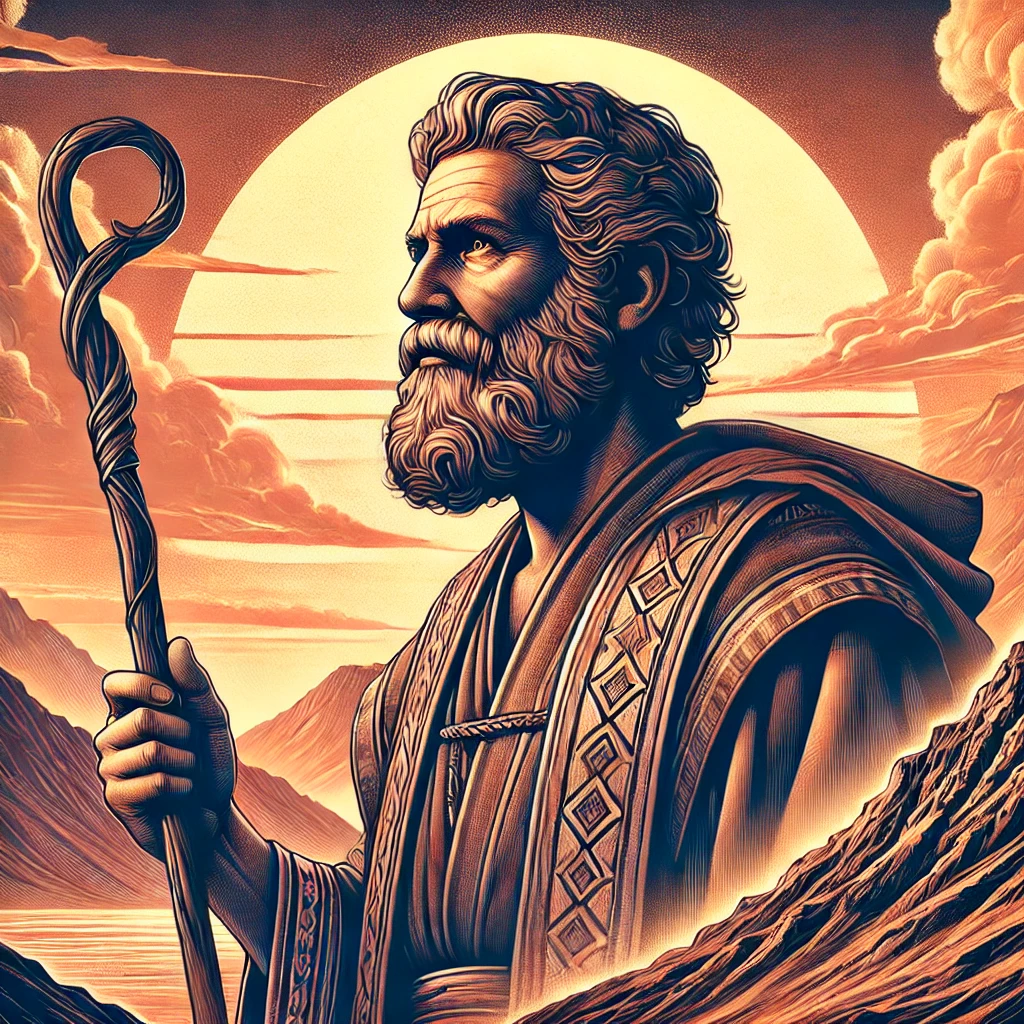
Did you know that Abraham was 75 years old when he first set out on his epic journey of faith? Talk about a late-life career change! In 2025, as we navigate our own paths through life’s twists and turns, Abraham’s story resonates more than ever. This ancient patriarch’s willingness to leave everything behind and step into the unknown isn’t just a dusty tale from history – it’s a powerful blueprint for living a life of purpose and trust. From barren deserts to the altars of sacrifice, Abraham’s journey is a rollercoaster of trials, triumphs, and divine encounters that’ll leave you breathless. So grab your virtual walking stick, and let’s trek through the incredible odyssey of the man known as the Father of Faith!
The Call of Destiny: Leaving Ur Behind
Abraham’s story begins with an unexpected command from God—one that would change the course of history. In Genesis 12, God told Abram (as he was known then), “Go from your country, your people and your father’s household to the land I will show you” (Genesis 12:1). Imagine being 75 years old, settled in the comforts of your home, and suddenly hearing God tell you to pack up everything and leave, with no clear destination. Talk about a leap of faith!
God’s Unexpected Command to Abraham
God’s call wasn’t just a casual request—it was a bold command to leave everything behind. Ur was a bustling, wealthy city, and Abram likely had a comfortable life there. But God had bigger plans, and His promise was clear: Abram would become the father of a great nation. This wasn’t just about physical relocation; it was about spiritual transformation.
When I think about this, I’m reminded of moments in my own life where God called me to step out into the unknown. Whether it’s starting a new venture or letting go of something familiar, those moments are filled with uncertainty. But like Abram, we are called to trust that God’s plans are far greater than anything we could imagine.
The Challenge of Leaving Comfort and Familiarity
Leaving Ur meant saying goodbye to everything Abram knew—his family, his culture, his security. This wasn’t an easy call to obey. How often do we find ourselves clinging to what’s comfortable and familiar? It’s so much easier to stay where we are, but faith requires stepping out, even when we don’t know what’s next.
As we face our own “Ur moments,” we can draw strength from Abram’s example. His willingness to follow God into the unknown is a reminder that our comfort zones aren’t where growth happens. God calls us to something bigger, but it requires faith to leave behind the old to embrace the new.
The Promise of Becoming a Great Nation
Along with the call came an incredible promise: “I will make you into a great nation, and I will bless you” (Genesis 12:2). What an amazing assurance! But let’s not forget, at the time of this promise, Abram and Sarai had no children, and they were well beyond childbearing years. This made God’s promise seem impossible, but Abram trusted in God’s ability to do the impossible.
It’s the same for us. Sometimes, God gives us a promise that feels too big to believe, especially when the circumstances don’t align. But like Abram, we’re called to trust in the One who made the promise, not in our own understanding.
Lessons in Stepping Out in Faith Despite Uncertainties
Abram’s first steps out of Ur weren’t just physical—they were symbolic of a deeper faith journey. He didn’t know where God was leading him, but he trusted the One who was leading. I think we all have our “Ur moments” when God asks us to step into the unknown. The key lesson here? Faith isn’t about having all the answers; it’s about trusting the One who does.
Trials in the Promised Land: Famine, Pharaohs, and Family Feuds
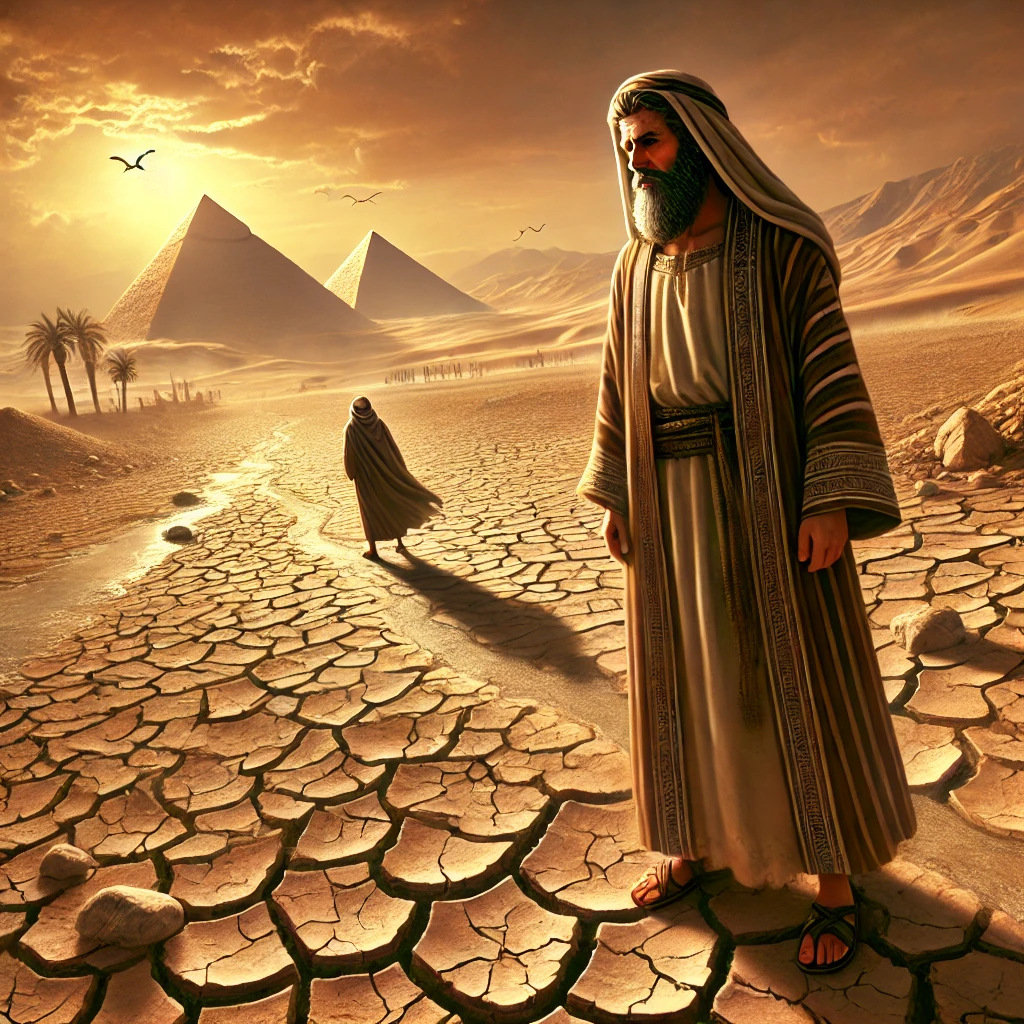
Abram’s journey wasn’t smooth sailing once he left Ur. In fact, one of the first challenges he faced in the Promised Land was a severe famine. Talk about a faith test! The land that was supposed to be overflowing with milk and honey was suddenly barren, forcing Abram to head to Egypt for survival. This detour was just the beginning of many trials that would test his faith.
The Test of Faith During the Famine in Canaan
Imagine being Abram—God had promised to bless him and make him a great nation, yet here he was, facing famine in the very land God had led him to. It’s easy to question God’s plan when things don’t go as expected, right? But instead of losing faith, Abram adapted and moved to Egypt, trusting that God would provide.
There have been times in my own life when I’ve faced “famine” seasons—when God’s promises seem far away, and I’m struggling just to make it through. But Abram’s story reminds me that these detours don’t mean God’s plan has failed; they’re often part of the journey, shaping our faith in ways we don’t see at the time.
Abram’s Sojourn in Egypt and the Incident with Pharaoh
Abram’s time in Egypt wasn’t without its challenges. To protect himself, he told Sarai to pretend to be his sister, which led to Pharaoh taking her into his household (Genesis 12:11-13). This wasn’t one of Abram’s finest moments, and it reminds us that even great men of faith have moments of weakness and doubt.
Yet, God’s faithfulness prevailed. Pharaoh discovered the truth and returned Sarai to Abram, sending them away with even more wealth than before. This part of the story shows us that even when we stumble, God is still working behind the scenes, protecting and providing for us.
The Separation from Lot and Its Consequences
As Abram’s wealth grew, so did the tension between his herdsmen and those of his nephew, Lot. The land couldn’t support both of them, so they parted ways. Lot chose the fertile plains of Sodom, while Abram remained in Canaan (Genesis 13:8-12).
This separation was pivotal. It shows us that sometimes, God calls us to part ways with people or situations that no longer align with His plan. Letting go isn’t always easy, but it’s necessary for the growth that God intends. And even though Lot’s choice seemed better at the time, Abram’s faith in God’s provision ultimately led to greater blessings.
Navigating Family Dynamics and Divine Promises
Family dynamics are always tricky, and Abram’s journey was no exception. From his separation from Lot to the later tensions with Hagar and Ishmael, Abram had to balance family relationships with his faith in God’s promises. His story is a reminder that faith doesn’t remove life’s challenges; it gives us the strength to navigate them with grace and trust.
The Covenant and the Stars: God’s Unfolding Plan

One of the most powerful moments in Abraham’s journey was the establishment of the covenant between him and God. This wasn’t just any agreement—it was a divine promise that would shape the course of history. In Genesis 15, God reassures Abraham by telling him to look up at the stars and count them, if he could. “So shall your offspring be” (Genesis 15:5). Imagine looking up at the vast night sky, filled with countless stars, and hearing God promise that your descendants would be just as numerous.
The Establishment of the Covenant Between God and Abraham
In Genesis 15, God formalized His promise to Abraham through a covenant, a sacred agreement that held deep spiritual significance. Abraham prepared a sacrifice of animals, cutting them in half as part of the ritual (Genesis 15:9-10). While this may seem strange to us today, it was a symbolic act that sealed the covenant. As Abraham fell into a deep sleep, God passed between the pieces of the animals in the form of a smoking firepot and a blazing torch (Genesis 15:17), symbolizing His commitment to fulfill His promise.
What strikes me about this moment is how God initiated the covenant—Abraham didn’t have to do anything to earn it. This shows us that God’s promises are not based on our performance or worthiness, but on His grace and faithfulness. It’s a reminder that when God makes a promise, He’s the one who ensures it comes to pass.
The Symbolic Ritual of the Divided Animals
The ritual of the divided animals may seem unusual, but it carried significant weight in the ancient world. By passing between the halves, God was essentially saying, “May I be like these animals if I break my promise.” It was a profound declaration of His unwavering commitment to Abraham and his descendants.
This part of the story reminds me that God’s promises are not to be taken lightly. He goes to great lengths to reassure us of His faithfulness, even when we struggle to see how His plan will unfold. In my own life, I’ve had moments where I doubted God’s promises, but when I look back, I see His faithfulness woven through every chapter of my journey.
The Promise of Descendants as Numerous as the Stars
The image of stars scattered across the night sky is a beautiful and hopeful reminder of God’s expansive plan. At this point, Abraham still didn’t have a child with Sarah, and the promise of countless descendants seemed impossible. But God’s word to Abraham was clear: “So shall your offspring be” (Genesis 15:5).
It’s easy to lose hope when God’s promises seem delayed. But just as Abraham had to wait and trust in God’s timing, we too are called to believe that what God has spoken will come to pass. I think about the times I’ve been impatient with God’s timing, only to realize later that His plan was far better than what I could have imagined.
Balancing Human Impatience with Divine Timing
Abraham’s journey was filled with moments of waiting—sometimes for years at a time. And like many of us, he struggled with impatience. But this story teaches us the importance of trusting God’s timing, even when it doesn’t match our own expectations. God’s promises may take time to unfold, but they are always worth the wait.
Sarah, Hagar, and the Birth of Nations
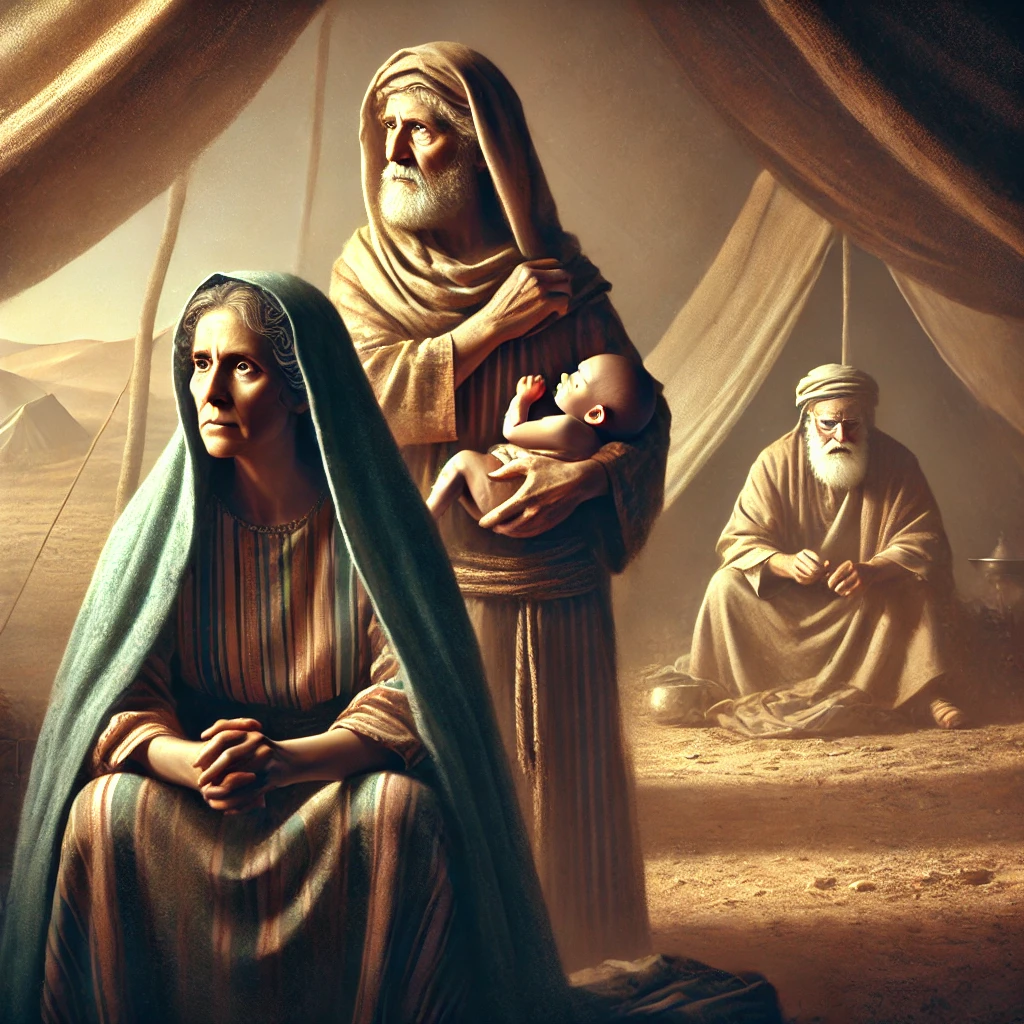
Abraham’s faith journey wasn’t just about his relationship with God—it also involved his family, and one of the most complex and challenging parts of his story is the tension between Sarah and Hagar. Sarah, who was barren, struggled to believe in God’s promise of a child. In her impatience, she took matters into her own hands, leading to a decision that would have long-lasting consequences.
The Complexity of Sarah’s Barrenness and the Cultural Context
In the ancient world, barrenness was seen as a great misfortune. Sarah’s inability to have children weighed heavily on her, and despite God’s promise to Abraham, she began to doubt whether she would ever become a mother. In her frustration and cultural pressure, Sarah made a decision that would complicate things: she asked Abraham to have a child with her servant, Hagar (Genesis 16:1-2).
It’s easy to empathize with Sarah. How many times have we tried to take control of a situation when God’s timing feels too slow? Her story reminds us that when we try to force God’s plan to happen on our terms, we often end up creating more challenges than solutions.
The Decision to Use Hagar as a Surrogate and Its Repercussions
Hagar’s pregnancy with Abraham’s child led to immediate tension between her and Sarah. What began as a human attempt to solve a problem quickly spiraled into jealousy, resentment, and division. Sarah’s plan backfired, and she became bitter toward Hagar, mistreating her to the point that Hagar fled into the wilderness (Genesis 16:6).
This part of the story reminds us that even when we try to “help” God’s plan along, it often leads to unnecessary pain and conflict. God’s ways are higher than ours, and trusting Him fully—even when we don’t understand—is always the better path.
The Birth of Ishmael and the Tension It Created
Hagar eventually returned to Abraham and Sarah’s household, and she gave birth to Ishmael, Abraham’s first son. But the tension between Sarah and Hagar only grew. Ishmael’s birth didn’t bring the peace Sarah had hoped for, and the division within the family persisted. This wasn’t the child God had promised, and Sarah’s impatience had complicated what could have been a simpler journey.
Ishmael’s birth also set the stage for future conflicts between his descendants and those of Isaac, the son God would later give to Sarah. This story reminds us that our decisions often have far-reaching consequences, and when we step out of alignment with God’s plan, we can create challenges for generations to come.
God’s Faithfulness in Fulfilling His Promise Through Isaac
Despite the complications, God remained faithful to His promise. Years later, when Sarah was 90 years old, she gave birth to Isaac—the child of promise (Genesis 21:1-3). Isaac’s birth was a miracle, and it demonstrated that God’s word would always be fulfilled, no matter how impossible it seemed.
For me, Isaac’s birth is a reminder that God’s promises are not dependent on our circumstances. When we’ve run out of hope, God is still working. His faithfulness is unchanging, and He always fulfills His word, even when we’ve doubted or tried to take matters into our own hands.
The Ultimate Test: Sacrifice on Mount Moriah
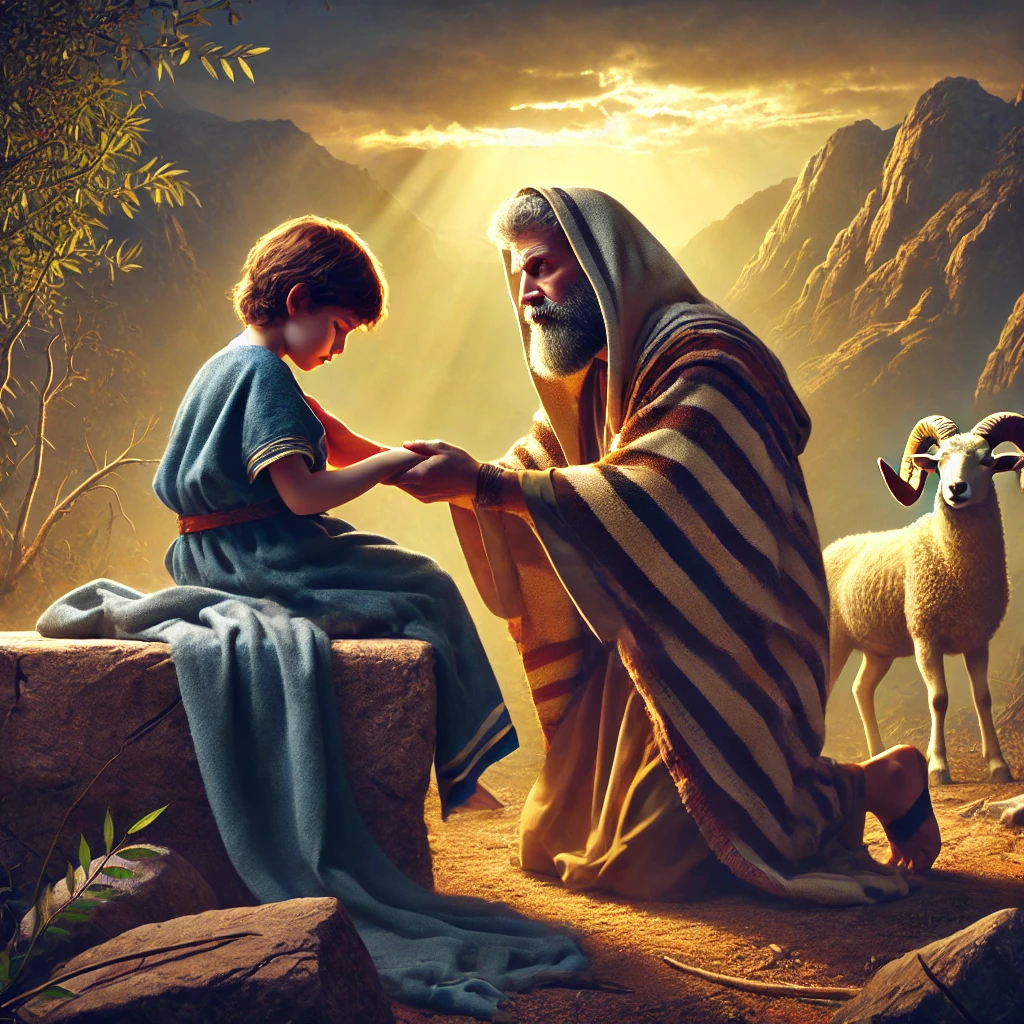
One of the most heart-wrenching moments in Abraham’s journey of faith is when God asks him to sacrifice his long-awaited son, Isaac. In Genesis 22, God commands Abraham to take Isaac to Mount Moriah and offer him as a burnt offering. It’s hard to imagine the emotional turmoil Abraham must have experienced as he prepared to obey this unimaginable command.
God’s Shocking Command to Sacrifice Isaac
After years of waiting for God’s promise to be fulfilled through Isaac, God asks Abraham to give up the very thing He had promised. It’s a command that challenges every aspect of faith, trust, and love. Abraham, who had already faced so many tests, is now called to sacrifice his miracle child. It’s in moments like these that I’m reminded how faith sometimes means surrendering even the things we hold most dear, trusting that God has a greater plan.
Abraham’s Internal Struggle and Unwavering Obedience
As a parent, it’s difficult to imagine the internal battle Abraham must have faced. Isaac represented the fulfillment of God’s promises—how could he sacrifice that? Yet, we don’t see Abraham hesitating. The Bible tells us that early the next morning, Abraham set out for Mount Moriah (Genesis 22:3). His obedience is a powerful testament to the depth of his trust in God’s character. Even when faced with the unthinkable, Abraham believed that God would provide a way, as Hebrews 11:19 suggests, even if it meant raising Isaac from the dead.
This part of the story challenges me personally. How many times have I struggled to trust God when asked to let go of something precious? Abraham’s faith shows us that true surrender means trusting God completely, even when His plan doesn’t make sense.
The Dramatic Intervention and Provision of the Ram
At the last moment, as Abraham raised the knife to sacrifice Isaac, God intervened. An angel called out, telling Abraham not to lay a hand on his son (Genesis 22:12). In that moment, God provided a ram, caught in a thicket, as the sacrifice instead. This dramatic intervention highlights God’s provision—He never asks us to give up something without a greater purpose in mind.
The ram’s provision speaks to God’s faithfulness. When we are obedient, even in the most difficult circumstances, God provides exactly what we need. This part of the story always reminds me that God’s timing is perfect, and His provision is always waiting, even when we can’t see it at first.
Profound Lessons on Trust, Surrender, and God’s Character
The sacrifice on Mount Moriah teaches us profound lessons about the nature of faith. Abraham’s trust in God wasn’t dependent on circumstances—it was rooted in his belief that God was good, even when the request seemed impossible. This story shows us that faith is about surrendering our will, trusting that God’s plan is always better. It also reveals God’s character as a provider and sustainer.
Legacy of the Patriarch: Abraham’s Enduring Impact
Abraham’s life wasn’t just significant in his own time—it has had an enduring impact on countless generations. As the father of three major world religions, Abraham’s faith and obedience have shaped history, leaving a legacy of spiritual, ethical, and cultural importance.
Abraham as the Father of Three Major World Religions
Abraham’s faith is central to Judaism, Christianity, and Islam. He is revered as the father of faith, not just because of his role in these religions, but because of the profound example he set. His journey from Ur to the Promised Land, his unwavering trust in God, and his willingness to follow God’s lead all serve as foundational principles for millions of believers today.
As a Christian, I often reflect on how Abraham’s legacy influences my own faith. His story shows us that faith isn’t just a personal journey—it’s something that echoes across generations. The choices we make in faith can impact our families, communities, and even the world, just as Abraham’s did.
The Concept of Faith Being Credited as Righteousness
One of the most important theological insights from Abraham’s life is the concept of faith being credited as righteousness. In Genesis 15:6, we read that “Abram believed the Lord, and He credited it to him as righteousness.” This verse is significant because it highlights the fact that Abraham’s right standing with God wasn’t based on his actions, but on his faith.
This idea is echoed in the New Testament, where the Apostle Paul uses Abraham as an example of how we are justified by faith, not by works (Romans 4:3). Abraham’s story shows us that our relationship with God is rooted in trust and belief in His promises, not in our ability to live perfectly.
Abraham’s Influence on Ethical Monotheism
Abraham is often credited with helping establish the concept of ethical monotheism—the belief in one God who demands moral behavior from His followers. This was revolutionary in Abraham’s time, when polytheism and idol worship were common. His faith in one true God set a precedent for generations, and it continues to shape our understanding of morality and ethics today.
In a world where moral standards often feel shaky, Abraham’s example reminds us that faith in God is the foundation for ethical living. His life challenges us to align our actions with our beliefs, trusting that God’s ways are higher than our own.
Applying Abrahamic Faith Principles in Modern Life
Abraham’s journey may have taken place thousands of years ago, but the lessons we can learn from his life are timeless. His faith, perseverance, and obedience provide a blueprint for how we can live today. Whether we’re facing personal challenges, waiting for God’s promises, or navigating difficult decisions, Abraham’s example offers us hope and guidance.
In my own life, I’ve found that applying Abrahamic principles means trusting God even when the path is unclear, surrendering control when I’m tempted to take matters into my own hands, and believing that God’s promises will come to pass, even when I can’t see how. Abraham’s faith wasn’t perfect, but it was persistent—and that’s what made all the difference.
Conclusion
Whew! What a journey, right? Abraham’s life reads like an ancient blockbuster, packed with plot twists, heart-wrenching decisions, and divine interventions. But beyond the drama, his story offers us a profound roadmap for navigating our own faith journeys in 2024 and beyond.
Abraham wasn’t perfect—he had moments of doubt, made questionable decisions, and sometimes tried to “help” God’s plan along. Sound familiar? Yet through it all, his underlying trust in God’s promises remained unshakeable. As we face our own calls to step out in faith, our own periods of waiting, and our own tests of trust, let’s draw strength from Abraham’s example.
Remember, every journey of a thousand miles begins with a single step. What’s your “Ur” that God might be calling you to leave behind? What stars of promise is He pointing you towards? Abraham’s story reminds us that with faith, the impossible becomes possible, and the ordinary can become extraordinary.
So, are you ready to embark on your own epic odyssey of faith?
Following in the Footsteps of Faith: From Noah to Abraham
The incredible journey of Abraham echoes the steadfast faith we see in other biblical figures, such as Noah. Just as Noah displayed unwavering obedience when asked to build the ark, Abraham’s willingness to leave everything behind and trust in God’s promises stands as a powerful example of what it means to follow God wholeheartedly.
Both Noah and Abraham faced monumental challenges, yet their stories reveal a common thread: trust in God’s word, even when the path ahead seems uncertain. If you want to dive deeper into the faith-filled journey of Noah and how his obedience in the face of overwhelming odds can inspire us today, check out this article on Noah’s Ark: Unwavering Faith and Obedience in a Modern World. Noah’s story, like Abraham’s, teaches us the power of trusting God with every step.
Further Exploration: Abraham’s Faith Journey
For those interested in delving deeper into Abraham’s remarkable journey of faith, the Bible Project offers an excellent resource. Their video on Genesis 12-50 provides a comprehensive overview of Abraham’s story and its significance within the broader narrative of Genesis. This engaging visual presentation explores how God’s promises to Abraham set the stage for His plan to bless all nations. The video skillfully illustrates the challenges faced by Abraham and his descendants, highlighting how God’s faithfulness prevailed despite human shortcomings. You can watch the video and access additional study materials on the Bible Project’s Genesis 12-50 page. This resource offers valuable insights into Abraham’s epic odyssey, helping modern readers connect with this timeless story of faith and divine promise.