


Have you ever wondered if there’s a cosmic “naughty list” that God keeps, with some sins marked as “unforgivable”? You’re not alone! In 2024, as we grapple with a world that seems to push moral boundaries daily, the question of God’s forgiveness is more relevant than ever. But here’s the kicker – God’s forgiveness is so mind-blowingly vast that it makes our human concept of mercy look like a kiddie pool next to the Pacific Ocean! From the pages of Scripture to the whispers of our own hearts, let’s dive deep into this ocean of divine grace. Grab your spiritual scuba gear, folks – we’re about to plumb the depths of God’s forgiveness and emerge with a fresh perspective that’ll knock your socks off!
The Heart of God: Understanding Divine Forgiveness
When we think of God’s heart, one of the first characteristics revealed in Scripture is His boundless mercy and grace. In Exodus 34:6-7, when God reveals Himself to Moses, He describes His nature: “The Lord, the Lord, the compassionate and gracious God, slow to anger, abounding in love and faithfulness, maintaining love to thousands, and forgiving wickedness, rebellion, and sin.” These verses remind us that forgiveness is not just something God does; it’s who He is. His mercy is part of His very essence.
This is beautifully illustrated in the parable of the Prodigal Son (Luke 15:11-32). The father in the story runs to meet his wayward son, showering him with love, grace, and forgiveness. It’s a powerful reminder that God doesn’t hold grudges; He celebrates when we return to Him, no matter how far we’ve wandered.
Psalm 103:12 provides another comforting promise of God’s forgiveness: “As far as the east is from the west, so far has He removed our transgressions from us.” God’s forgiveness is complete, erasing the stain of sin entirely. Likewise, in Isaiah 1:18, we are assured that though our sins are as scarlet, God makes them white as snow. His forgiveness isn’t partial or conditional—it’s a total transformation.
The Extent of Forgiveness: What Scripture Says
God’s Word makes it clear that His forgiveness extends far beyond what we can imagine. In 1 John 1:9, we’re reminded that if we confess our sins, God is “faithful and just to forgive us our sins and to cleanse us from all unrighteousness.” Confession opens the door for God to cleanse us, showing that His forgiveness is available to all who come to Him with a repentant heart.
Colossians 2:13-14 underscores the power of Christ’s sacrifice: “When you were dead in your sins… God made you alive with Christ. He forgave us all our sins, having canceled the charge of our legal indebtedness.” This passage speaks of a debt that we could never repay, but through Christ’s work on the cross, the debt is canceled once and for all.
Micah 7:19 paints a beautiful image of forgiveness, saying that God “will hurl all our iniquities into the depths of the sea.” There is no retrieving them—they are gone forever. And in Hebrews 8:12, God promises, “For I will forgive their wickedness and will remember their sins no more.” Unlike humans, who may forgive but never forget, God wipes the slate completely clean.
The Unforgivable Sin: Addressing the Blasphemy Against the Holy Spirit
In Matthew 12:31-32, Jesus speaks of the “unforgivable sin,” which has caused much confusion and concern over the years: “And so I tell you, every kind of sin and slander can be forgiven, but blasphemy against the Spirit will not be forgiven.” At first glance, this statement might seem to contradict everything we’ve learned about God’s limitless forgiveness. However, understanding the context sheds light on this difficult passage.
The sin Jesus is referring to is a hardened, persistent unbelief—an ongoing rejection of the Holy Spirit’s work in our hearts. It’s not about one isolated moment of doubt but a deliberate, prolonged refusal to acknowledge God’s power and presence. When someone consistently rejects the Holy Spirit’s conviction and refuses to turn to God, they place themselves beyond forgiveness, not because God is unwilling to forgive, but because they’ve shut the door to receiving His grace.
For those who fear they’ve committed this sin, it’s important to remember that the very fact that you’re concerned shows a heart still sensitive to God. Those who have committed blasphemy against the Spirit have hardened their hearts to the point of no return, whereas concern and a desire for repentance indicate the Spirit is still at work within you.
Common Misconceptions About God’s Forgiveness
Many people struggle with understanding the limitless nature of God’s forgiveness. It’s easy to fall into misconceptions that distort the truth of divine mercy, but Scripture clears up these misunderstandings.
One common myth is the idea that some sins are “too big” for God to forgive. This misconception often leads people to carry guilt and shame, feeling as though their past actions disqualify them from grace. However, God’s Word is clear that no sin is too great for His mercy. The cross covers every sin, no matter how big or small.
Another misconception is the fear that repeated sins exhaust God’s patience. People worry that if they keep making the same mistakes, God will eventually run out of grace for them. But Lamentations 3:22-23 assures us, “The steadfast love of the Lord never ceases; His mercies never come to an end; they are new every morning.” God’s grace is inexhaustible, and His patience is infinite.
A further error is the belief that some sins require extra penance or self-punishment before being forgiven. The truth is that Jesus’ sacrifice on the cross was complete. There is no additional payment required for our sins. Ephesians 2:8-9 reminds us that we are saved by grace, not by works. Forgiveness is a gift, not something we earn.
Finally, it’s important to clarify the relationship between forgiveness and consequences. While God forgives our sins completely, that doesn’t mean we are always free from the natural consequences of our actions. Forgiveness frees us spiritually, but sometimes there are earthly results we still must face.
Receiving God’s Forgiveness: Steps to Embrace Divine Mercy
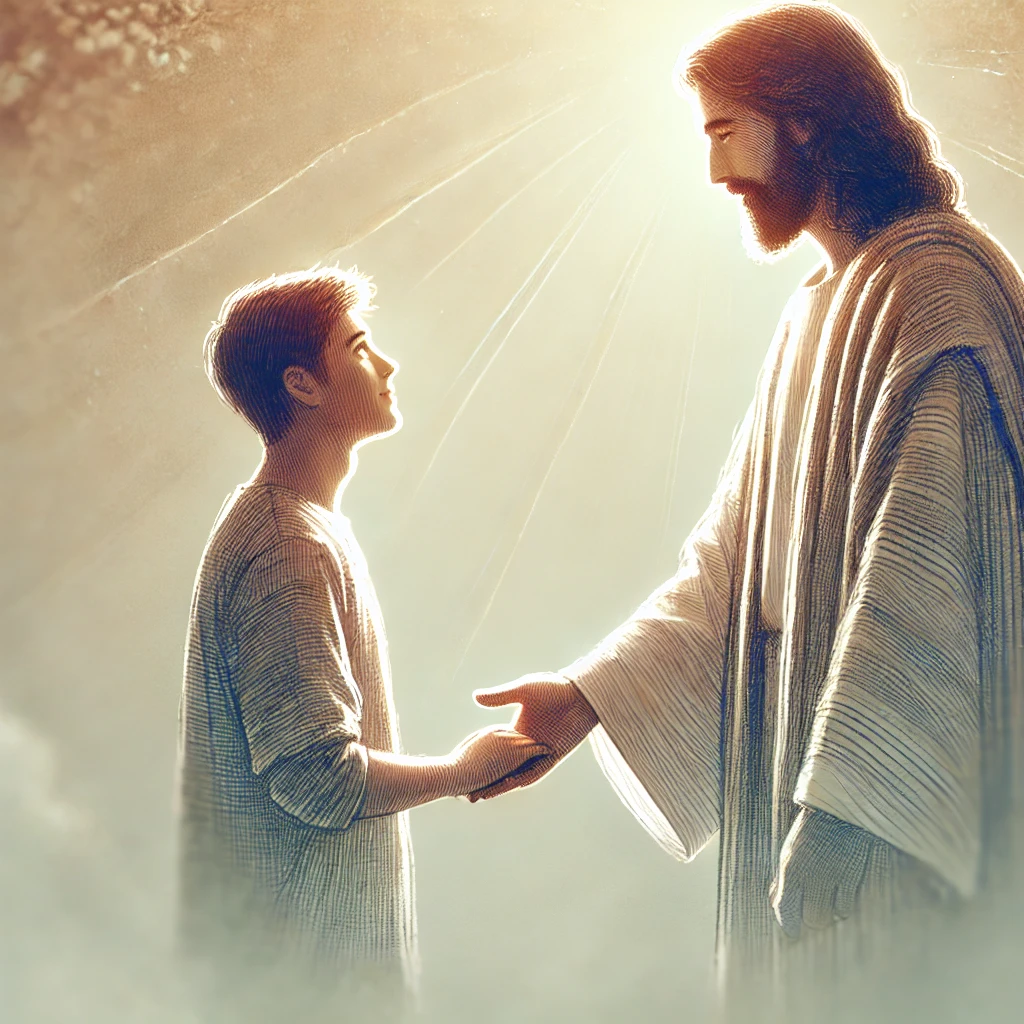
God’s forgiveness is a gift, but we must take active steps to receive it. The first step is acknowledging our sin and recognizing our need for God’s mercy. Romans 3:23 reminds us that “all have sinned and fall short of the glory of God.” None of us are exempt from the need for forgiveness, and the first step in receiving it is admitting our wrongs before God.
The next step is genuine repentance, which goes beyond simply feeling bad about our sins. Acts 3:19 urges us to “repent, then, and turn to God, so that your sins may be wiped out.” Repentance means turning away from our sin and moving toward God, seeking to live in accordance with His will.
Accepting Christ’s sacrifice as the payment for our sins is essential. Ephesians 1:7 says, “In Him we have redemption through His blood, the forgiveness of sins, in accordance with the riches of God’s grace.” We must believe that Jesus’ death on the cross was enough to cover all our sins, past, present, and future.
Finally, we must live in the freedom of forgiveness. Galatians 5:1 encourages us to “stand firm” in the freedom Christ has won for us. Once we have received God’s forgiveness, we are called to live as free people—no longer bound by guilt or shame, but walking confidently in the grace that God has given.
Forgiveness and Justice: How God Balances Both
God’s forgiveness does not mean that He overlooks the seriousness of sin. His holiness demands justice, and sin cannot go unpunished. However, God’s answer to the problem of sin is the cross, where both justice and mercy meet perfectly.
Romans 3:25-26 explains that God presented Christ as a sacrifice of atonement, demonstrating His justice while also showing mercy. The cross is the ultimate expression of God’s love and justice—Jesus took the punishment we deserved, satisfying the demands of justice, while also offering us complete forgiveness.
It’s important to understand that while God forgives us, this doesn’t always negate earthly consequences. For instance, a person may be forgiven for a crime they committed, but they still may have to face legal consequences. God’s forgiveness removes the spiritual penalty of sin, but the natural consequences may remain.
Lastly, God’s forgiveness and justice also come with discipline for believers. Hebrews 12:5-11 explains that God disciplines those He loves. His discipline is not punishment but a form of correction to guide us back to the right path. It’s a reminder that even in His forgiveness, God’s desire is for our growth and sanctification.
Conclusion
Wow! What a journey through the boundless ocean of God’s forgiveness! From the heights of divine mercy to the depths of human sin, we’ve seen that God’s forgiveness truly knows no limits—except the ones we put up ourselves. In 2024, as we navigate a world quick to judge and slow to forgive, God’s radical grace stands as a beacon of hope and transformation.
Remember, no matter what you’ve done, where you’ve been, or how far you think you’ve fallen, God’s arms are open wide. His forgiveness isn’t a one-time event; it’s a constant flow of grace that can wash away the darkest stains of our past and present.
So, what sin have you been holding onto, thinking it’s beyond God’s reach? What guilt have you been carrying, believing it’s too heavy for God to lift? It’s time to lay it all down at the foot of the cross. Are you ready to dive headfirst into the ocean of God’s forgiveness? Trust me, the water’s fine, and the freedom you’ll find there is out of this world!
Let’s take the plunge together and experience the life-changing power of divine forgiveness. After all, in God’s eyes, there’s no such thing as a lost cause—only lost sheep waiting to be found and forgiven!
The Cross: The Ultimate Expression of Forgiveness
When we think about God’s forgiveness, it all points back to one moment—the cross. Jesus’ crucifixion wasn’t just a tragic event in history; it was the ultimate expression of God’s love and mercy. Through His sacrifice, Jesus bore the weight of all our sins, opening the door to redemption for all who believe.
In Matthew 26:28, Jesus says, “This is my blood of the covenant, which is poured out for many for the forgiveness of sins.” His death on the cross is what made forgiveness possible, breaking the power of sin once and for all. If you’d like to dive deeper into the profound love that motivated Jesus’ sacrifice, you can explore more in this article: Why Was Jesus Crucified? The Love Behind the Cross.
It’s at the cross where justice and mercy meet, and it’s through the cross that we find the freedom to live forgiven, redeemed, and restored.
The Boundless Nature of God’s Forgiveness
God’s forgiveness is limitless, extending to all sins for those who genuinely repent and trust in Jesus Christ. As stated in Colossians 2:13-14, He forgives us completely, canceling the charges against us.
However, true repentance requires a sincere desire to turn away from sin. While we may struggle, God’s mercy is always available to us when we seek it.
For a deeper understanding of how God’s forgiveness applies to our lives, visit Bible Study Tools for valuable insights on divine mercy.
FAQ: Understanding God’s Forgiveness
1. Does God forgive all sins, no matter how big they are?
Yes! God’s forgiveness is boundless, and no sin is too big for His mercy. The Bible assures us in 1 John 1:9 that if we confess our sins, God is faithful to forgive us and cleanse us from all unrighteousness. Through Jesus’ sacrifice on the cross, every sin—no matter how great—can be forgiven if we turn to Him in repentance.
2. What is the unforgivable sin?
The “unforgivable sin,” often referred to as blasphemy against the Holy Spirit, is mentioned in Matthew 12:31-32. This sin involves a persistent rejection of the Holy Spirit’s work and God’s grace, leading to a hardened heart that refuses to seek forgiveness. If you are worried about committing this sin, it’s a good sign that you haven’t—because it shows your heart is still sensitive to God.
3. Can God forgive repeated sins?
Yes, God’s mercy is endless, and He is always ready to forgive those who repent genuinely, even if they’ve committed the same sin multiple times. Lamentations 3:22-23 reminds us that God’s mercies are new every morning, meaning He never runs out of patience for those who turn back to Him.
4. If I’m forgiven, will I still face consequences for my sin?
While God’s forgiveness is complete and eternal, there are often earthly consequences for our actions. For example, if someone breaks the law, they may still face legal consequences even if they are forgiven by God. God’s forgiveness removes the spiritual penalty of sin, but natural consequences may still occur.
5. How do I receive God’s forgiveness?
Receiving God’s forgiveness involves acknowledging your sin, repenting with a sincere heart, and accepting Jesus Christ’s sacrifice as payment for your sins. Romans 3:23 says that all have sinned and fallen short, but by turning to God, confessing your sins, and placing your faith in Jesus, you can experience complete forgiveness.
6. Can I forgive myself if I struggle with guilt after being forgiven?
Yes, self-forgiveness can be challenging, but it’s important to remember that if God, who is perfect, has forgiven you, you can also forgive yourself. Romans 8:1 says, “There is now no condemnation for those who are in Christ Jesus.” If God no longer holds your sin against you, you can release the guilt and live in the freedom of His grace.

