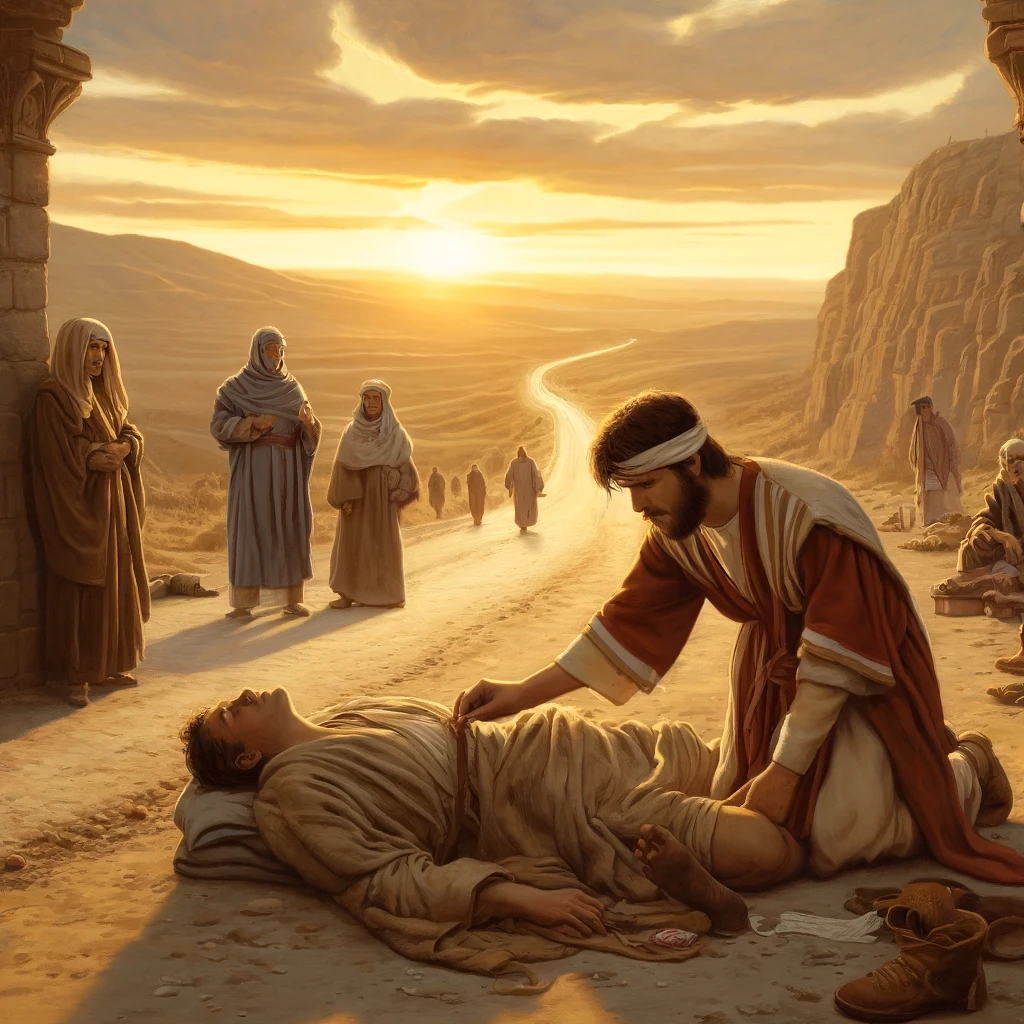

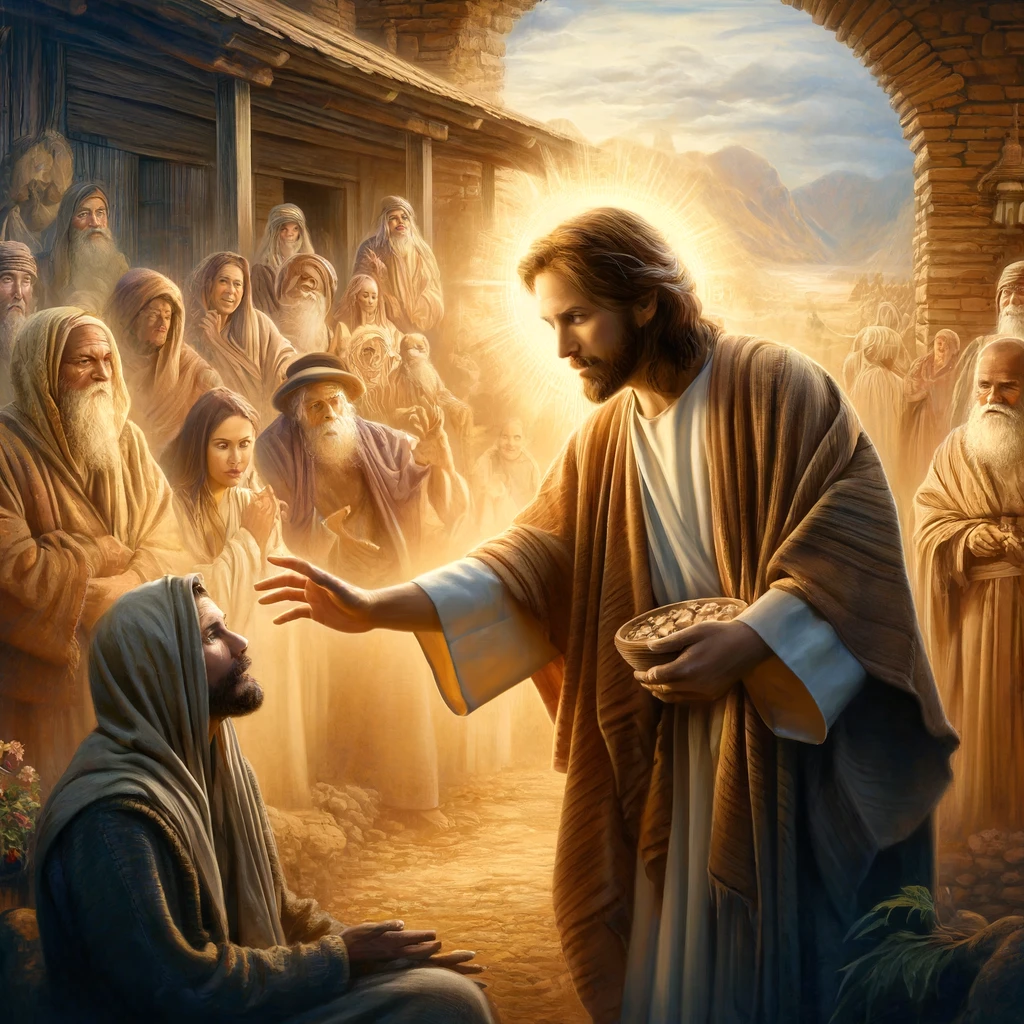
Hey there, fellow seekers and curious minds! 🌟 Are you ready for a journey through time to witness some of the most incredible events in history? We’re talking about the miracles of Jesus Christ! Did you know that the Gospels record at least 37 miracles performed by Jesus? That’s a lot of divine action! But these aren’t just ancient stories – they’re powerful testimonies that continue to inspire and transform lives today. So, grab your virtual sandals, and let’s walk through the dusty roads of Galilee and Judea to explore the mind-blowing miracles of Jesus. Trust me, by the end of this, you’ll be saying, “Wow, God is awesome!” 🙌
The Nature-Defying Miracles: Jesus as Master of Creation
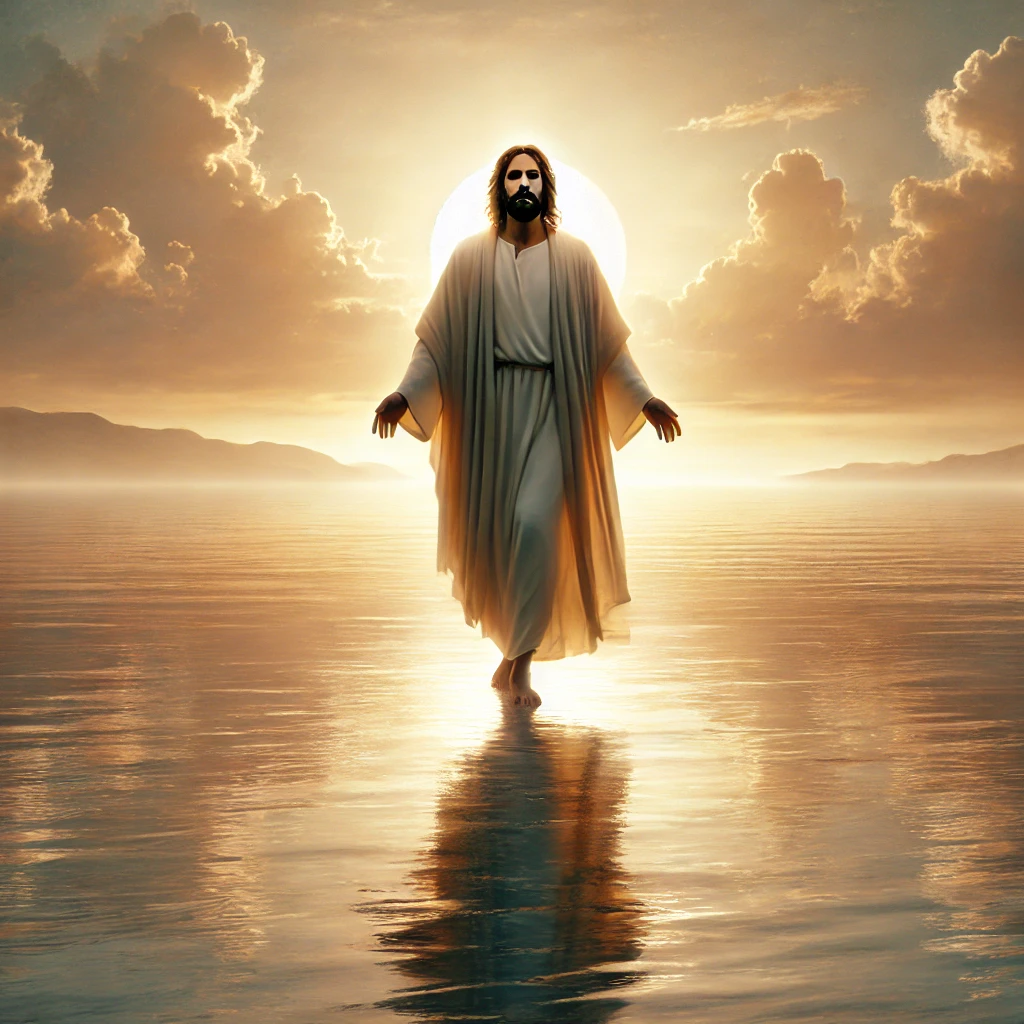
One of the most awe-inspiring aspects of Jesus’ ministry is His ability to defy the laws of nature, demonstrating His divine authority over all creation. These miracles left crowds amazed and showed Jesus’ supernatural power in ways that are hard to fathom even today.
Walking on Water: Defying Gravity and Human Limitations
Picture this: The disciples are out on the Sea of Galilee, and suddenly, a fierce storm strikes. They’re struggling to keep the boat steady when they see something unbelievable — Jesus walking towards them on the water! Defying gravity and everything we know about the natural world, He calmly walks across the waves as if He’s strolling on solid ground. In Matthew 14:25, Jesus reassures His terrified disciples, saying, “Take courage! It is I. Don’t be afraid.” This miracle shows that not even the forces of nature can stand in the way of Christ.
Calming the Storm: Command Over Natural Elements
The Gospels also tell of a time when Jesus and His disciples were crossing the sea, and a violent storm arose. As the disciples panicked, fearing for their lives, Jesus stood up and rebuked the wind and the waves, saying, “Quiet! Be still!” (Mark 4:39). Instantly, the storm ceased, and calm returned to the waters. The disciples were left in awe, asking, “Who is this? Even the wind and the waves obey Him!” This miracle demonstrates that Jesus is not just a teacher or prophet but the Lord of all creation, holding power over the very elements.
Feeding the 5,000: Multiplication of Loaves and Fishes
In one of the most well-known miracles, Jesus fed a crowd of 5,000 men (not even counting the women and children) with just five loaves of bread and two fish (Matthew 14:13-21). Imagine being there — the sun is setting, people are hungry, and there’s no food for miles. But in Jesus’ hands, what little they had was more than enough. After blessing the food, He began to break it, and it multiplied before their very eyes! Not only did everyone eat their fill, but there were also 12 baskets of leftovers. This miracle reveals God’s ability to provide abundantly, even in what seems like an impossible situation.
Turning Water Into Wine: The First Recorded Miracle at Cana
The first miracle Jesus performed was at a wedding in Cana when He turned water into wine. The hosts had run out of wine, which could have been an embarrassing situation, but at the request of His mother, Jesus transformed large jars of water into the finest wine (John 2:1-11). This miracle was more than just about saving face at a wedding — it marked the beginning of Jesus’ public ministry and revealed His glory, leading His disciples to believe in Him. It also symbolizes transformation, reminding us that Jesus can take the ordinary and make it extraordinary.
Healing Miracles: Jesus as the Great Physician
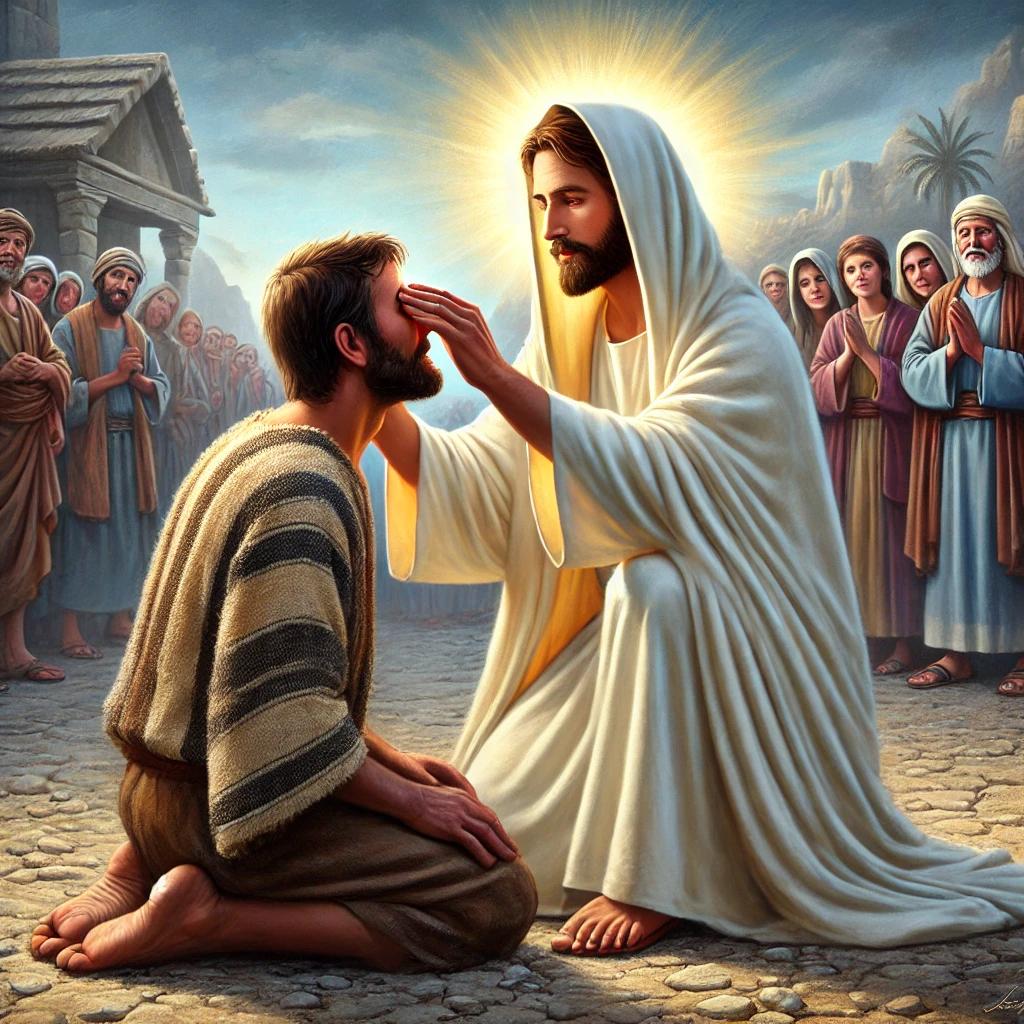
Throughout His ministry, Jesus showed unparalleled compassion for the sick and the suffering, healing people from every kind of illness and infirmity. These miracles weren’t just physical healings but acts of restoration — bringing people back to health, dignity, and wholeness.
Curing the Blind: Restoring Sight to Those in Darkness
In John 9, we read about a man who had been blind from birth. Imagine living your entire life in darkness, never knowing the sight of a sunrise or a loved one’s face. But Jesus, moved with compassion, spat on the ground, made mud, and placed it on the man’s eyes. He then told him to wash in the Pool of Siloam, and miraculously, the man could see! This healing is not just a demonstration of physical power but a deeper symbol of spiritual enlightenment. Jesus, the Light of the World, opens our eyes to the truth, bringing us out of spiritual blindness into the light of faith.
Cleansing Lepers: Social and Physical Restoration
Lepers in Jesus’ time were outcasts, forced to live isolated from society because of their condition. But in Mark 1:40-45, we see a leper approach Jesus with a simple yet profound request: “If you are willing, you can make me clean.” Jesus, filled with compassion, reached out and touched the man, saying, “I am willing. Be clean!” Instantly, the leprosy left him, and he was restored — not just physically, but socially. Jesus’ touch was significant because it showed that He wasn’t afraid to reach out to the marginalized and the broken, bringing healing and restoration to every part of their lives.
Healing the Paralyzed: Physical and Spiritual Wholeness
In one of the most dramatic healings, a group of friends lowered a paralyzed man through the roof of a house where Jesus was teaching because the crowd was too large to get through the door. Jesus, seeing their faith, not only healed the man’s physical condition but also forgave his sins (Mark 2:1-12). The religious leaders were outraged that Jesus would claim such authority, but He proved that He was the Son of God by telling the man to “get up, take your mat, and go home.” The man immediately walked away, fully healed. This miracle shows that Jesus’ healing goes beyond the physical — He offers us spiritual restoration and forgiveness.
The Woman With the Issue of Blood: Faith-Activated Healing
One of the most touching stories of healing is found in Mark 5:25-34. A woman who had been suffering from an issue of blood for 12 years, despite seeing many doctors, believed that if she could just touch the hem of Jesus’ robe, she would be healed. Fighting through the crowd, she reached out in faith, and instantly, her bleeding stopped. Jesus, knowing that power had gone out from Him, turned and said to her, “Daughter, your faith has healed you. Go in peace and be freed from your suffering.” This miracle emphasizes the power of faith in accessing Jesus’ healing, reminding us that He responds to those who earnestly seek Him.
These miracles demonstrate that Jesus is not only concerned with the physical well-being of those He encounters but also their emotional, social, and spiritual health. His healings show us that He is the Great Physician, able to heal every part of our lives.
Resurrection Miracles: Jesus as the Lord of Life
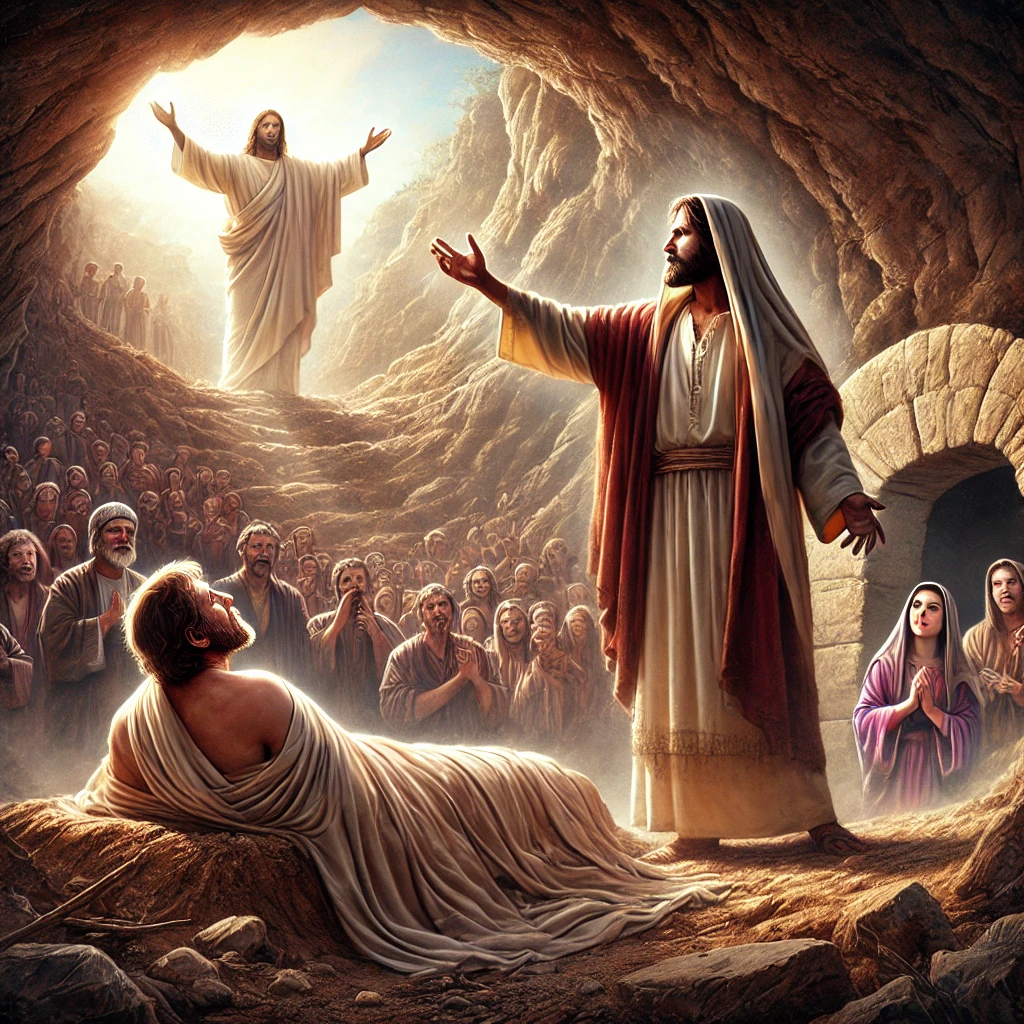
Jesus’ power over life and death is perhaps most vividly displayed in His resurrection miracles. These stories are not just about restoring physical life but also serve as powerful symbols of Jesus’ authority over death itself, pointing to the eternal life He offers to all who believe.
Raising Lazarus from the Dead: A Preview of Christ’s Own Resurrection
One of the most powerful miracles Jesus performed was raising His dear friend Lazarus from the dead. In John 11, we read that Lazarus had been dead for four days, and his body was already in the tomb. Yet when Jesus arrived, He declared, “I am the resurrection and the life. The one who believes in me will live, even though they die” (John 11:25). Despite the grief and doubts of those around Him, Jesus stood in front of the tomb and called out, “Lazarus, come out!” To the amazement of all, Lazarus walked out, fully alive. This miracle foreshadows Jesus’ own resurrection and offers hope to all believers that death is not the end — through Christ, we have eternal life.
The Widow’s Son at Nain: Compassion in Action
In Luke 7:11-17, Jesus comes across a funeral procession for a widow’s only son. The scene is heartbreaking, as the widow had not only lost her son but, in those times, her only means of support. Moved with compassion, Jesus approached the bier and said, “Young man, I say to you, get up!” Immediately, the boy sat up and began to speak, and Jesus gave him back to his mother. This miracle highlights Jesus’ deep compassion for the suffering and vulnerable, showing us that His heart is moved by our pain. It’s a reminder that Jesus cares about every aspect of our lives, especially in our moments of deepest grief.
Jairus’ Daughter: “Talitha Cumi” – The Power of Jesus’ Words
Another striking example of Jesus’ power over death is found in Mark 5:21-43, where a synagogue leader named Jairus pleads with Jesus to heal his dying daughter. Before they can reach his home, word comes that the girl has already died. Despite the devastating news, Jesus reassures Jairus, saying, “Don’t be afraid; just believe.” When they arrive at the house, Jesus takes the girl by the hand and says, “Talitha cumi,” which means, “Little girl, I say to you, get up!” Instantly, the 12-year-old girl rises from her bed, alive and well. This miracle underscores the incredible power of Jesus’ words and the hope we can place in Him, even in the face of death.
Exorcism Miracles: Jesus as Conqueror of Darkness
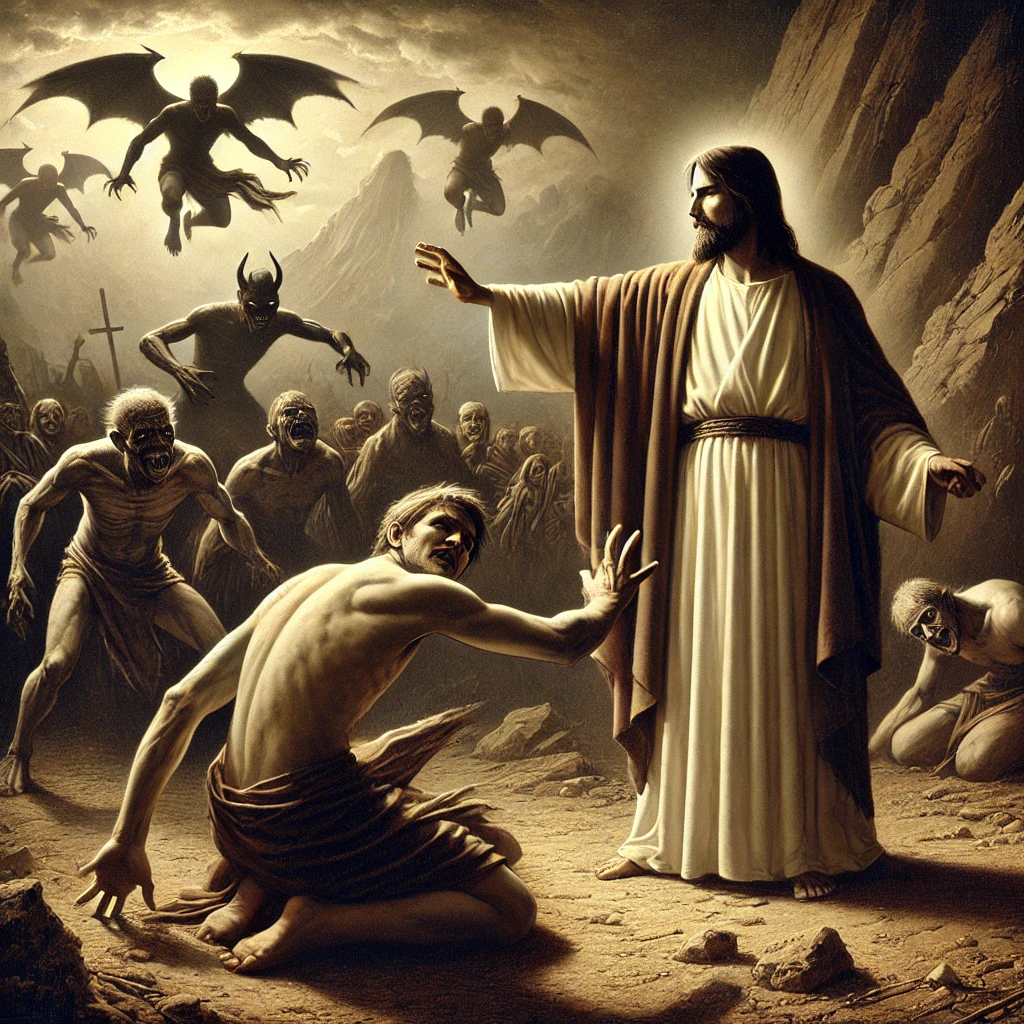
Throughout His ministry, Jesus confronted forces of darkness, casting out demons and freeing those oppressed by evil. His exorcism miracles reveal His authority over the spiritual realm and demonstrate that, in Him, light triumphs over darkness.
The Gerasene Demoniac: Freeing a Man from a Legion of Demons
In Mark 5:1-20, Jesus encounters a man possessed by a legion of demons. The man lived among the tombs, was uncontrollable, and tormented day and night. When Jesus approached, the demons inside the man recognized Him and begged not to be sent away. With a single word, Jesus cast the demons into a herd of pigs, which then rushed into the sea and drowned. The man, now free, was restored to his right mind. This powerful exorcism reveals Jesus’ authority over even the most terrifying forces of evil, and it shows that no one is beyond His saving power. The man’s transformation from outcast to evangelist (as he went on to share his story) is a testimony to the life-changing power of Christ.
The Syrophoenician Woman’s Daughter: Long-Distance Deliverance
In Mark 7:24-30, a Gentile woman approaches Jesus, pleading for her daughter to be freed from a demon. Despite initial resistance, the woman’s persistent faith moved Jesus to act. He told her, “For such a reply, you may go; the demon has left your daughter.” What’s remarkable about this story is that Jesus didn’t even need to physically be with the child to cast out the demon — His word alone was enough. This long-distance deliverance illustrates the limitless reach of Jesus’ power, showing that His authority is not bound by proximity. The story also emphasizes the importance of faith, even when circumstances seem impossible.
The Demon-Possessed Boy: Faith and the Impossible
In Mark 9:14-29, a father brings his demon-possessed son to Jesus after the disciples were unable to cast out the demon. The boy had been tormented since childhood, and the situation seemed hopeless. The father, in desperation, cries out to Jesus, “If you can do anything, take pity on us and help us.” Jesus replies, “If you can? Everything is possible for one who believes.” The father responds with the heartfelt plea, “I do believe; help me overcome my unbelief!” Moved by the father’s faith, Jesus commands the demon to leave, and the boy is instantly healed. This miracle reminds us that even when our faith feels weak, Jesus can work through it to accomplish the impossible. It’s an encouragement to trust Him, especially in our moments of doubt.
The Significance of Jesus’ Miracles: More Than Just Spectacles
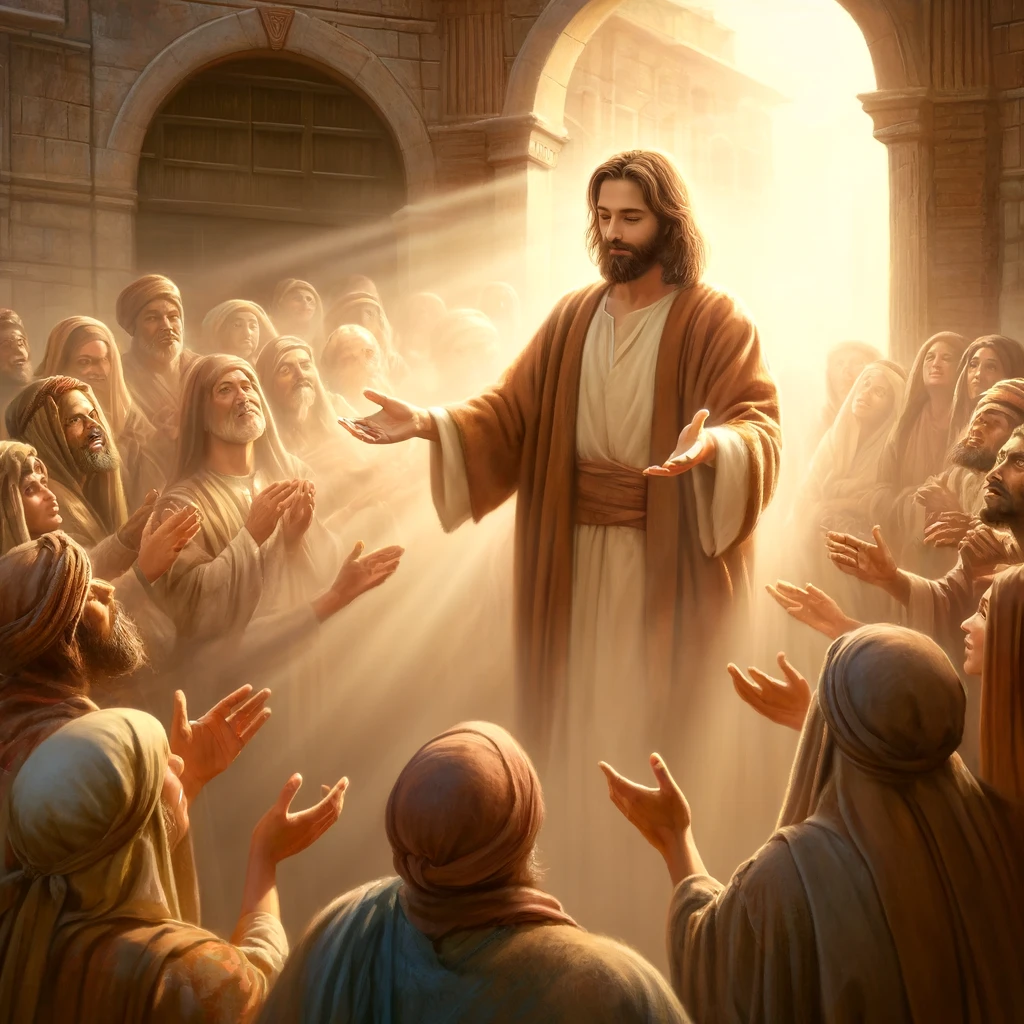
Jesus’ miracles weren’t just supernatural displays meant to dazzle the crowds — each miracle had profound significance, revealing deep truths about His divine nature and His mission on Earth. Let’s dive into why these acts are far more than mere spectacles.
Revealing His Divine Nature and Mission
Each miracle Jesus performed was a glimpse into who He truly was — the Son of God, the Messiah sent to save humanity. When He calmed the storm or raised the dead, it wasn’t just a show of power, it was a statement about His identity. Through His miracles, Jesus made it clear that He had authority over creation, life, and even death itself. The people who witnessed these events were given undeniable evidence that Jesus was more than a teacher or prophet — He was the living embodiment of God’s power and presence among them.
Fulfilling Old Testament Prophecies
Many of Jesus’ miracles were direct fulfillments of the prophecies found in the Old Testament, which foretold that the Messiah would come with signs and wonders. For instance, Isaiah 35:5-6 speaks of the coming of the Messiah, saying, “Then will the eyes of the blind be opened and the ears of the deaf unstopped. Then will the lame leap like a deer, and the mute tongue shout for joy.” When Jesus healed the blind, the deaf, and the lame, He was fulfilling these ancient promises, proving that He was indeed the long-awaited Savior.
Building Faith in His Followers
Miracles were a powerful tool for building the faith of those around Jesus. His disciples, who witnessed these incredible acts firsthand, were strengthened in their belief and understanding of who He was. Imagine walking alongside Jesus, seeing Him bring the dead back to life or feed thousands from just a few loaves of bread — these moments were unforgettable lessons in faith. Jesus often performed miracles in response to the faith of those around Him, but His miracles also served to deepen that faith, preparing His followers for their future mission.
Demonstrating God’s Love and Compassion
At the heart of Jesus’ miracles was His deep compassion for those who were suffering. Whether He was healing the sick, feeding the hungry, or raising the dead, His acts of mercy were always rooted in love. Through His miracles, Jesus showed the world that God cares about our physical, emotional, and spiritual needs. He wasn’t just solving problems — He was restoring lives, bringing wholeness, and demonstrating the boundless love of the Father for all people.
Controversies Surrounding Jesus’ Miracles
While Jesus’ miracles brought hope and healing to many, they also stirred up controversy and opposition. Religious leaders, skeptics, and even modern critics have questioned and challenged the authenticity and purpose of His miraculous acts.
Reactions from Religious Leaders of the Time
The religious leaders of Jesus’ time were often threatened by His miracles. Instead of celebrating the healings and restorations taking place, they viewed Jesus as a dangerous disruptor of the religious order. For instance, when Jesus healed a man on the Sabbath, the Pharisees were outraged, accusing Him of breaking the law rather than acknowledging the miracle (Mark 3:1-6). Their opposition wasn’t just about the miracles themselves, but about the challenge Jesus posed to their authority and the traditions they held dear. These leaders often tried to discredit Jesus or trap Him in legal arguments, but His works of power and compassion only further highlighted the gap between their rigid legalism and the heart of God’s law — love.
Attempts to Discredit or Explain Away the Miracles
From the beginning, there were those who tried to dismiss or discredit the miracles of Jesus. Some claimed His power came from demonic sources (Matthew 12:24), while others demanded even more signs as proof of His authority (John 6:30). Despite the overwhelming evidence, many refused to believe in Jesus, their hearts hardened by disbelief or fear of losing control. Even after Jesus raised Lazarus from the dead, the religious leaders plotted not only to kill Jesus but also Lazarus, as his very existence was living proof of Christ’s power (John 12:10-11). These attempts to discredit Jesus’ miracles reveal the stubbornness of unbelief and the lengths to which people will go to maintain their own narrative.
Modern Skepticism and Scientific Explanations
In today’s world, many people approach the miracles of Jesus with skepticism. Some attempt to explain them away using scientific or naturalistic theories, while others reject the possibility of miracles altogether. For example, some claim that Jesus’ healing miracles were simply the result of psychological suggestion, or that His walking on water could have been an optical illusion. While such explanations may provide an alternative view, they often fall short of addressing the transformative impact these miracles had on those who witnessed them. For believers, miracles remain a mystery of faith — divine interventions that point beyond the limits of human understanding to the boundless power of God.
The Impact of Jesus’ Miracles on His Disciples
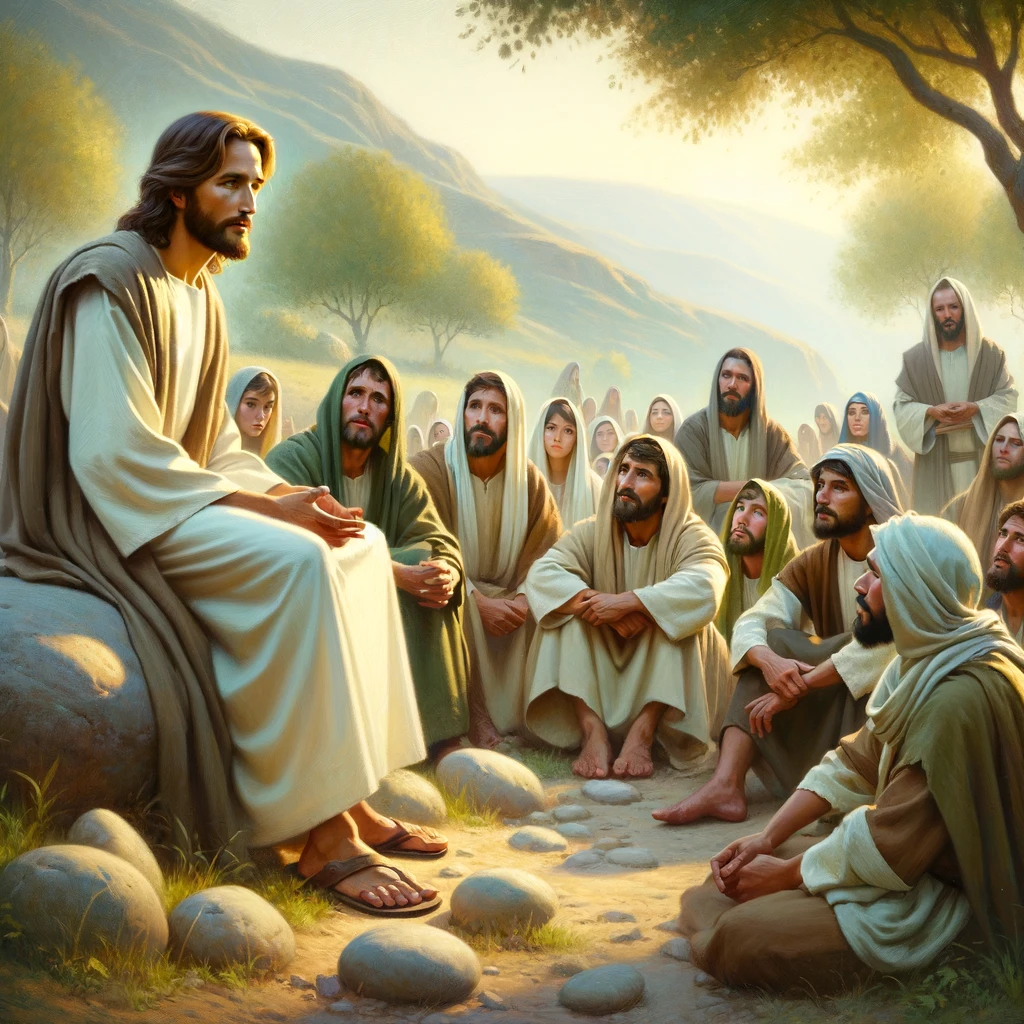
The miracles of Jesus had a profound and lasting impact on His disciples. These astonishing acts were not just demonstrations of divine power but transformative experiences that deepened their faith, prepared them for their future mission, and equipped them to carry on Jesus’ ministry after His ascension.
Growing Faith and Understanding
The disciples had the privilege of witnessing Jesus’ miracles up close, and these experiences were pivotal in shaping their faith. Time and again, we see how their understanding of who Jesus was deepened through His miraculous works. For instance, when Jesus walked on water and calmed the storm, the disciples were filled with awe, exclaiming, “Truly you are the Son of God” (Matthew 14:33). These moments of divine revelation helped solidify their belief that Jesus was not merely a teacher or prophet but the Messiah, the very Son of God. As their faith grew, so did their capacity to trust Jesus, even when they didn’t fully understand His ways.
Empowerment for Their Own Ministry
Jesus’ miracles weren’t just for show; they were training opportunities for His disciples. As they watched Jesus heal the sick, cast out demons, and calm storms, they were being equipped for the time when they, too, would be sent out to do similar works in His name. In Matthew 10:1, Jesus gave the Twelve authority “to drive out impure spirits and to heal every disease and sickness.” By witnessing and participating in these miraculous acts, the disciples were empowered to continue Jesus’ ministry, bringing the good news of the kingdom and the power of God to those in need.
Preparation for the Great Commission
The miracles also prepared the disciples for the monumental task that lay ahead — the Great Commission. Jesus was not only building their faith and empowering them with spiritual gifts but also preparing them for the mission to spread the gospel to the ends of the earth. When He ascended to heaven, He entrusted His disciples with the charge to “go and make disciples of all nations” (Matthew 28:19). The miracles they had witnessed served as a foundation for their belief in the supernatural power of God, giving them the confidence to step out in faith, even in the face of opposition and danger.
Miracles in the Early Church: Continuing Jesus’ Ministry
The miraculous works of Jesus didn’t end with His ascension into heaven. The early church, led by the apostles, continued to experience signs and wonders that testified to the power of the risen Christ. These miracles were an integral part of the spread of Christianity and the building of the early Christian communities.
Miracles Performed by the Apostles
Just as Jesus had empowered His disciples to perform miracles during His ministry, so too did the apostles continue to work miracles after His departure. In the Book of Acts, we see numerous accounts of the apostles healing the sick, raising the dead, and casting out demons. For instance, in Acts 3, Peter and John heal a lame man at the temple gate, causing amazement among the people and leading to many conversions. Acts 9 records Peter raising Tabitha from the dead, further affirming that the power of God was at work in the early church. These miracles were clear evidence that Jesus’ ministry was still alive and active through His followers.
The Spread of Christianity Through Signs and Wonders
Miracles played a significant role in the rapid spread of Christianity throughout the Roman Empire. As the apostles traveled from city to city, proclaiming the gospel, signs and wonders often accompanied their preaching. Acts 5:12 tells us, “The apostles performed many signs and wonders among the people,” and as a result, “more and more men and women believed in the Lord and were added to their number.” These miraculous acts validated the apostles’ message, demonstrating that the God they preached about was real, powerful, and present. For many, the miracles were tangible proof that the gospel was true, leading to widespread conversions and the establishment of new Christian communities.
Spiritual Gifts in the Early Christian Communities
In addition to the miracles performed by the apostles, the early Christian communities were marked by the presence of spiritual gifts, which included healing, prophecy, and speaking in tongues. Paul writes extensively about these gifts in his letters, particularly in 1 Corinthians 12, where he explains that these gifts are given by the Holy Spirit for the common good and the building up of the church. These spiritual gifts were seen as a continuation of Jesus’ ministry, empowering believers to serve one another and spread the gospel with boldness. The presence of these gifts was also a testimony to the fact that the miraculous power of God was not limited to a select few but was available to all who believed in Jesus.
Miracles Today: The Ongoing Work of Christ
Though the time of Jesus’ earthly ministry has passed, His miraculous power continues to be evident in the world today. Stories of modern-day miracles serve as a testament that Christ is still at work, transforming lives and circumstances through divine intervention.
Testimonies of Modern-Day Miracles
Even today, people from all walks of life share incredible testimonies of miracles — physical healings, supernatural protection, and divine provision. Whether it’s a life-threatening illness that suddenly disappears, a miraculous escape from danger, or an unexplainable provision in times of need, these stories reflect the same power of God that worked through Jesus in biblical times. For believers, these testimonies are more than just stories; they are affirmations that Jesus is alive and active, working miracles in the lives of His followers.
The Role of Faith in Experiencing Miracles
Faith plays a crucial role in experiencing miracles. Throughout the Gospels, Jesus often emphasized the importance of faith in receiving healing or witnessing a miracle. In Matthew 9:22, He tells the woman with the issue of blood, “Your faith has healed you.” Similarly, modern-day believers are encouraged to approach God with faith, trusting that He is able to intervene in their circumstances. While faith doesn’t guarantee a miracle in every situation, it opens the door for God to move in powerful and unexpected ways.
Balancing Faith, Prayer, and Medical Science
In today’s world, many Christians wrestle with the relationship between faith, prayer, and medical science. Should we rely solely on prayer for healing, or is it okay to seek medical treatment? The truth is, God can work through both supernatural means and through medical professionals. Faith and prayer are essential in every believer’s life, but that doesn’t mean rejecting medical help. Rather, it’s about seeking God’s guidance, praying for healing, and trusting that He can work through doctors, treatments, and miraculous intervention. The key is to approach every situation with trust in God’s ultimate wisdom and plan.
Learning from Jesus’ Miracles: Practical Applications for Today
The miracles of Jesus are not just stories to marvel at — they offer valuable lessons for how we can live out our faith today. By looking at how Jesus demonstrated love, compassion, and trust in God, we can learn to apply these principles in our own lives.
Cultivating Compassion for Those in Need
One of the most striking aspects of Jesus’ miracles is His deep compassion for those who were suffering. Whether healing the sick, feeding the hungry, or raising the dead, Jesus was moved by love and mercy. Today, we are called to follow His example by showing compassion to those around us. Whether through acts of kindness, supporting those in need, or simply offering a listening ear, we can be vessels of Christ’s love in a world that desperately needs it.
Trusting God in Impossible Situations
Jesus’ miracles often occurred in situations that seemed hopeless — calming storms, feeding multitudes, and raising the dead. These acts remind us that nothing is impossible for God. In our own lives, we face situations that may seem insurmountable, but the same Jesus who performed miracles in the Gospels is still able to do the impossible today. Trusting God, even when the odds are against us, is a key lesson we can take from these stories.
Recognizing the Everyday Miracles in Our Lives
Not all miracles are dramatic or supernatural. Sometimes, the everyday blessings we experience are miracles in their own right. The provision of a job when we need it most, a relationship that brings healing, or the simple beauty of a new day can all be seen as acts of God’s grace. By cultivating a heart of gratitude, we can begin to see the “small” miracles that happen every day, reminding us that God is always at work, even in the ordinary.
Conclusion: Miracles as a Testament of God’s Love and Power
Wow! What a journey through the miraculous ministry of Jesus we’ve had! 🌊🍞👀 From walking on water to raising the dead, we’ve seen how Jesus’ miracles weren’t just about showing off His power – they were acts of love, compassion, and revelation. These incredible events show us that with God, nothing is impossible. Whether you’re facing a storm in your life, battling an “incurable” situation, or just needing a touch from heaven, remember that the same Jesus who performed these miracles is alive and active today. So, what’s your takeaway? Maybe it’s time to look at your challenges through the lens of faith. After all, you might just be on the brink of experiencing your own miracle! Keep your eyes open, your heart ready, and who knows? The next amazing story of God’s power could be yours! 🙏✨
As we reflect on the incredible miracles of Jesus, it’s clear that these divine acts are much more than just historical events — they are timeless reminders of God’s love, power, and compassion. Whether calming a storm, raising the dead, or healing the sick, each miracle speaks to the heart of God’s desire to bring restoration, healing, and hope to His people. And while we may not always witness these kinds of dramatic miracles in our daily lives, we can trust that God is still working, often in ways we may not see or understand.
For a deeper dive into how faith and miracles play a role in the Christian life, check out our post on 10 Powerful Ways to Weave Faith into Your Daily Life in 2024. It offers practical steps to living a life of faith that’s open to experiencing God’s miraculous power.
Additionally, if you’re interested in exploring biblical miracles in greater detail, you might enjoy reading this insightful article from the Bible Study Tools website on What Are the Miracles of Jesus? Complete List with Bible Verses.
Frequently Asked Questions (FAQs)
Q1: What was Jesus’ first miracle?
Jesus’ first recorded miracle was turning water into wine at a wedding in Cana, as described in John 2:1-11. This event marked the beginning of His public ministry and revealed His divine power to His disciples.
Q2: How many miracles did Jesus perform?
The Gospels record at least 37 distinct miracles performed by Jesus, though it’s likely that He performed many more that weren’t written down (John 21:25). These miracles include healings, exorcisms, raising the dead, and nature-defying acts.
Q3: Do miracles still happen today?
Yes, many Christians believe that miracles still happen today. There are numerous testimonies of divine healing, supernatural protection, and answered prayers that demonstrate God’s ongoing work in the world.
Q4: Why did Jesus perform miracles?
Jesus performed miracles to reveal His divine nature, fulfill Old Testament prophecies, build the faith of His followers, and demonstrate God’s love and compassion for humanity. His miracles were signs that pointed to His identity as the Messiah and Son of God.
Q5: How can I experience a miracle in my life?
Experiencing a miracle often involves having faith, trusting God in difficult circumstances, and seeking His will through prayer. While not every prayer is answered in the form of a miracle, God works in His own time and way to bring about what’s best for us.