


Did you know that 31% of adults suffer from anxiety disorders? In a world gripped by uncertainty, the ancient story of Moses resonates more than ever. Picture this: a man with a stutter, facing the most powerful ruler on Earth, armed with nothing but faith. Sounds like a recipe for panic, right? Yet Moses’ journey from trembling exile to triumphant leader is a masterclass in overcoming fear. Buckle up, folks! We’re about to dive into 10 game-changing lessons from Moses that’ll revolutionize how you face your fears in 2024. Trust me, by the end of this, you’ll be ready to part your own Red Sea of doubt!
1. The Burning Bush: Embracing Your Calling Despite Insecurities

When Moses encountered the burning bush, it was a life-altering moment, but not necessarily one he welcomed with open arms. Despite witnessing a supernatural phenomenon, Moses was hesitant, full of doubts about his abilities. He questioned why God would choose him, a man with a stutter, to lead the Israelites out of Egypt. Yet, God reassured Moses, promising to be with him every step of the way. This encounter teaches us a profound lesson: even in the face of our deepest insecurities, God’s call remains steadfast.
We often find ourselves in Moses’ shoes, feeling unworthy or ill-equipped to handle the tasks set before us. But the burning bush moment reminds us that it’s not about our abilities; it’s about God’s purpose working through us. By identifying and confronting our personal insecurities, we can begin to see them as opportunities for growth rather than obstacles. The key is to find strength in a higher purpose, knowing that when God calls, He also equips.
So, the next time you’re feeling unsure or inadequate, remember Moses. Let his story inspire you to embrace your calling, despite the doubts that may linger. Trust that God’s plan for you is greater than your insecurities, and with His help, you can step confidently into your purpose.
2. Confronting Pharaoh: Standing Up to Intimidating Authorities

Moses’ journey from a fearful fugitive to a confident leader is nothing short of remarkable. Initially, Moses was terrified at the thought of confronting Pharaoh, the most powerful ruler of his time. He had every reason to be afraid—after all, he was just one man standing against an empire. But as Moses repeatedly approached Pharaoh with God’s command to “let My people go,” something began to change. Each encounter strengthened his resolve, transforming him from a man who doubted his own words to a leader who spoke with authority.
This transformation didn’t happen overnight. It was the result of Moses’ growing faith in God’s promise to be with him. His confidence was not rooted in his own strength, but in the knowledge that he was carrying out a divine mission. This is a powerful reminder for us when we face intimidating figures or situations in our own lives. Like Moses, we may feel inadequate or fearful at first, but by preparing ourselves—both practically and spiritually—we can stand firm.
When facing intimidating authorities, it’s crucial to be well-prepared. This means knowing your facts, understanding the situation, and anticipating challenges. But beyond preparation, it’s about recognizing the power of divine backing. Moses wasn’t alone in his mission, and neither are we. When we approach daunting tasks with the knowledge that God is with us, we can move from fear to confidence.
So, whether you’re facing a difficult boss, a challenging situation, or any figure of authority, remember Moses. Approach the situation with careful preparation, stand firm in your convictions, and trust that God is guiding you. With His support, you can confront even the most intimidating challenges with confidence.
3. The Plagues: Persistence in the Face of Repeated Setbacks

Moses’ experience with the Ten Plagues is a powerful example of persistence in the face of repeated setbacks. Imagine the frustration he must have felt each time he delivered God’s message to Pharaoh, only to be met with a hardened heart and a resounding “no.” It wasn’t just once or twice—Moses faced rejection after rejection, despite the increasingly severe consequences that God unleashed on Egypt.
Yet, Moses didn’t give up. His unwavering faith is a testament to the power of persistence. Each plague was a step closer to God’s promise being fulfilled, even when it seemed like Pharaoh would never relent. Moses’ determination to keep going, despite the lack of immediate results, is a lesson in resilience that we can all apply to our lives.
When we face ongoing challenges or repeated setbacks, it’s easy to become discouraged. We might start to question whether we’re on the right path or if our efforts are in vain. But like Moses, we’re called to trust in God’s timing and to keep moving forward, even when progress seems slow or nonexistent. Each obstacle, each “plague,” is not just a barrier but also a learning opportunity—a chance to grow stronger, wiser, and more resilient.
Moses’ journey teaches us that setbacks are not the end of the story. They are part of the process that refines our faith and prepares us for the ultimate breakthrough. So when life throws its challenges at you, remember Moses. Hold on to your faith, keep pressing forward, and learn from each obstacle along the way. In the end, persistence in the face of adversity will lead to victory, just as it did for Moses and the Israelites.
4. The Exodus: Leading Through Uncertainty
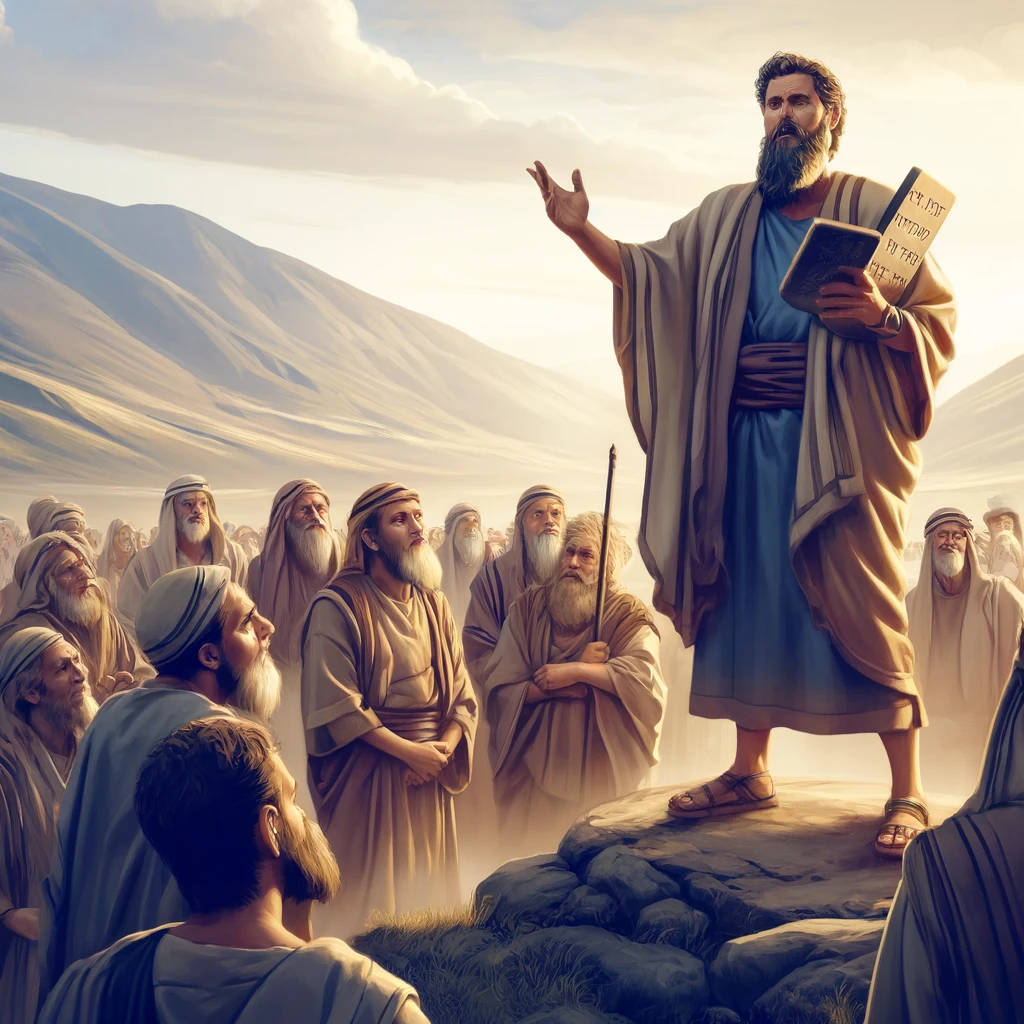
The Exodus is one of the most iconic stories of faith and leadership in the Bible. Imagine Moses standing before the Israelites, who were enslaved in Egypt, telling them that it was time to leave everything they knew and head into the unknown. It wasn’t just a physical journey; it was a monumental leap of faith. Leaving Egypt required the Israelites to trust Moses’ leadership and, more importantly, to trust God’s promise, even though the path ahead was anything but clear.
Moses had to guide an entire nation through a wilderness, with no clear roadmap or timeline. He had to lead through the uncertainty of where their next meal would come from, how they would cross the Red Sea, and where they would find water in the desert. Every step of the way, Moses had to rely on his faith in God’s guidance, even when the challenges seemed insurmountable.
Leading through uncertainty is something many of us face, whether in our families, workplaces, or communities. When the path ahead is unclear, the pressure of leadership can feel overwhelming. But Moses’ story teaches us valuable strategies for guiding others during these turbulent times.
First, it’s crucial to take that leap of faith. Just as Moses trusted God’s promise, we too must trust that the direction we are leading others in is the right one, even if the destination isn’t immediately visible. This leap of faith often involves moving forward with courage, despite fear or doubt.
Second, communication is key. Moses continually reassured the Israelites, reminding them of God’s promises and the reasons for their journey. As leaders, we need to be transparent with those we lead, sharing what we know, what we don’t, and the steps we’re taking to navigate the uncertainty.
Finally, building trust is essential. Moses earned the trust of the Israelites by consistently showing his commitment to their well-being and by demonstrating his faith in God’s plan. Trust in leadership is forged over time through consistent actions, honesty, and a clear commitment to the group’s shared goals.
Leading through uncertainty isn’t easy, but Moses’ example shows us that with faith, clear communication, and a commitment to those we lead, we can navigate even the most challenging situations. In doing so, we build a legacy of trust and resilience that can inspire and guide others for generations to come.
5. Parting the Red Sea: Taking Bold Action in Desperate Situations

The story of the parting of the Red Sea is one of the most dramatic and faith-filled moments in the Bible. Picture this: Moses and the Israelites are fleeing Egypt, with Pharaoh’s army hot on their heels. They find themselves trapped between the vast Red Sea and an advancing enemy. It’s a desperate situation with no apparent way out. Fear and panic could have easily overtaken them, but in that moment of crisis, Moses took bold action fueled by his unwavering faith in God’s power.
Instead of succumbing to fear, Moses lifted his staff and stretched out his hand over the sea, trusting that God would make a way where there seemed to be none. And then, in a miraculous display of divine intervention, the waters parted, creating a path of escape for the Israelites. This wasn’t just a simple miracle; it was a profound act of God’s deliverance at the very moment when all hope seemed lost.
There are times in our lives when we, too, face our own “Red Sea” moments—situations that seem impossible, where the path forward is unclear, and the pressure is overwhelming. It’s in these moments that we are called to take bold action, even when the outcome is uncertain.
Recognizing divine intervention in these seemingly impossible scenarios is key. It’s about having the faith to believe that God is working behind the scenes, even when we can’t see the solution. Just as Moses trusted in God’s promise of deliverance, we must trust that God has a plan for us, even in our most desperate times.
Taking that first step into unknown territory requires immense courage. It means moving forward in faith, despite our fears and doubts. It’s the kind of courage that acknowledges the reality of the situation but chooses to act anyway, believing that God will provide a way.
The story of the Red Sea reminds us that bold action, rooted in faith, can lead to miraculous outcomes. When we find ourselves in desperate situations, we can draw strength from Moses’ example, knowing that God’s power is greater than any obstacle we face. By stepping out in faith, we open the door for God’s incredible interventions in our lives, leading us through the seemingly impossible to victory and freedom.
6. Manna and Quail: Trusting in Daily Provision

The story of manna and quail in the wilderness is a powerful lesson in trusting God’s daily provision. After the Israelites left Egypt, they found themselves in a barren desert with no food in sight. Fear of scarcity quickly set in. They worried about where their next meal would come from and even began to long for the familiar, though harsh, conditions of Egypt. But God, in His faithfulness, provided for their needs in a miraculous way.
Every morning, manna—a bread-like substance—would appear on the ground, and in the evening, quail would come to the camp, giving the Israelites all the sustenance they needed. This daily provision wasn’t just about feeding their bodies; it was a divine lesson in overcoming the fear of scarcity and learning to trust in God’s continuous care.
In our own lives, we often struggle with the fear of not having enough—whether it’s money, time, or resources. This fear can drive us to hoard, worry, and even lose sight of our blessings. The story of manna and quail challenges us to trust in God’s provision, knowing that He is aware of our needs and will supply them at the right time.
Cultivating gratitude and contentment is key to overcoming this fear. Just as the Israelites had to gather only what they needed for the day and trust that more would come tomorrow, we too are called to be grateful for what we have today. Contentment doesn’t mean complacency, but rather a deep-seated peace in knowing that God is our provider. By focusing on what we have rather than what we lack, we can foster a heart of gratitude that sees God’s hand in every provision.
Balancing planning with faith in daily needs is a practical application of this lesson. It’s wise to plan for the future, but not at the expense of trusting God’s provision for today. The Israelites were instructed not to gather more manna than they needed for the day, teaching them (and us) to rely on God’s daily provision. Similarly, we can plan and prepare, but we must also hold those plans loosely, trusting that God will meet our needs one day at a time.
The story of manna and quail is a beautiful reminder that God’s provision is both timely and sufficient. By trusting in His daily care, cultivating gratitude, and balancing our plans with faith, we can overcome the fear of scarcity and live with a deep sense of contentment, knowing that God is always faithful to provide.
7. The Golden Calf: Facing Disappointment and Betrayal
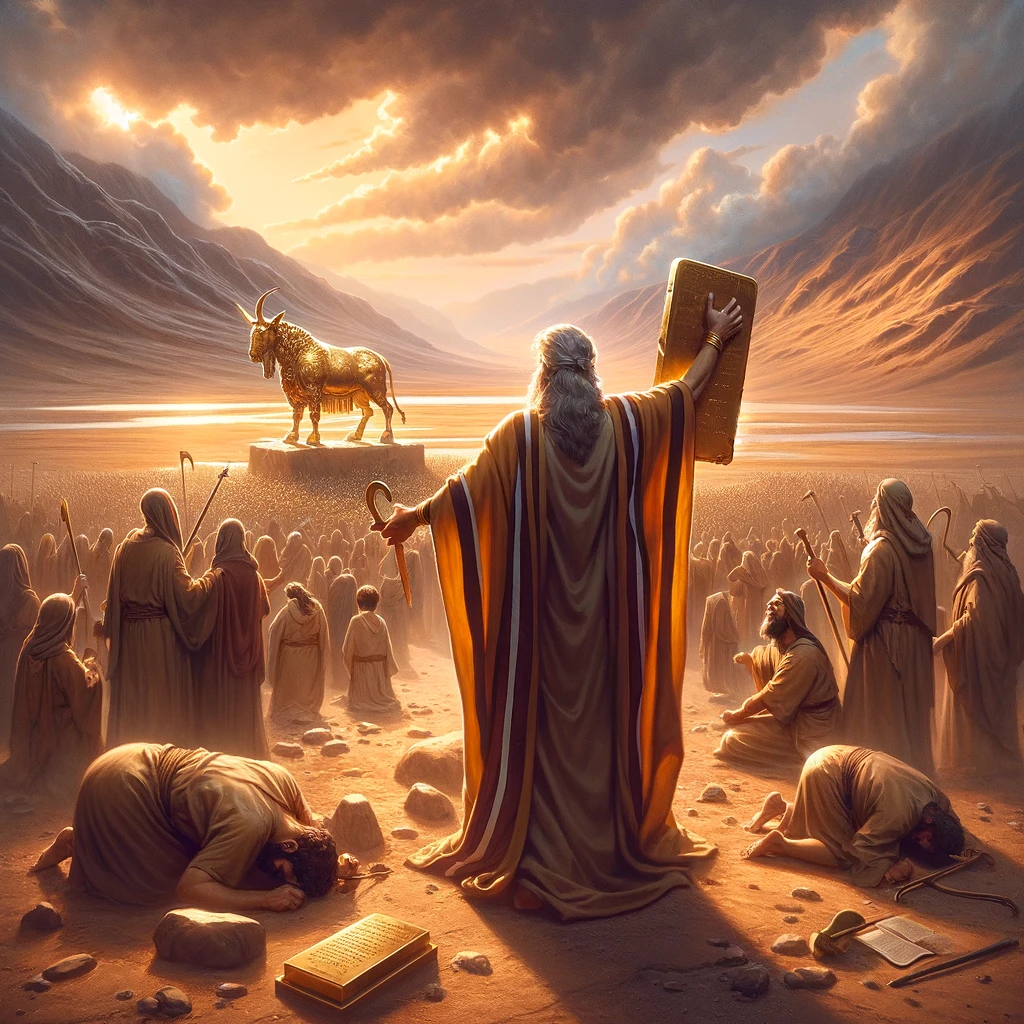
The incident of the Golden Calf is one of the most poignant moments in Moses’ leadership journey, marked by profound disappointment and betrayal. After leading the Israelites out of Egypt and guiding them through the wilderness, Moses ascended Mount Sinai to receive the Ten Commandments from God. However, during his absence, the people grew impatient and, under the pressure, Aaron crafted a golden calf for them to worship. This act of idolatry was a direct violation of the covenant they had made with God, and it struck at the heart of Moses’ mission.
Moses’ reaction to the Israelites’ idolatry was one of righteous anger and deep sorrow. Upon descending from the mountain and seeing the people worshiping the golden calf, Moses shattered the stone tablets in his fury—a symbolic act showing the broken relationship between God and His people. Yet, Moses didn’t allow his anger to consume him. Instead, he took decisive action to restore the covenant, showing the balance between righteous indignation and redemptive leadership.
Dealing with letdowns from those you lead or trust is an inevitable challenge for anyone in a leadership role. Moses, who had risked everything for the Israelites, must have felt a profound sense of betrayal. This event teaches us that leadership often involves navigating the pain of betrayal and disappointment with grace and wisdom. It’s important to address the wrongs, as Moses did by confronting the people and Aaron, but it’s equally crucial to seek paths of restoration and reconciliation.
The power of intercession and second chances shines through Moses’ subsequent actions. After the initial confrontation, Moses returned to God on behalf of the Israelites, pleading for their forgiveness. His intercession is a powerful example of how leaders can stand in the gap for those they lead, advocating for mercy and grace even when they are deeply disappointed. Moses’ prayer not only averted disaster for the Israelites but also demonstrated the redemptive possibilities that arise when leaders choose to forgive and seek reconciliation.
In our own lives, we can draw strength from Moses’ example when facing betrayal or disappointment. It’s natural to feel hurt or angry, but we are called to respond with a heart that seeks restoration. Interceding in prayer for those who have let us down, just as Moses did, opens the door for second chances and renewed relationships. In doing so, we reflect the grace of God, who is always ready to forgive and restore us, no matter how far we stray.
8. Striking the Rock: Learning from Mistakes

The story of Moses striking the rock is a powerful reminder that even the greatest leaders are not immune to making mistakes. In the Book of Numbers, we find Moses leading the Israelites through the wilderness, and once again, they are complaining about their lack of water. God instructs Moses to speak to a rock so that water would miraculously flow from it. But, in a moment of frustration and anger, Moses strikes the rock twice with his staff instead of speaking to it as God had commanded. Though water still flowed, this act of disobedience had significant consequences.
The consequences of Moses’ moment of anger and disobedience were severe. Because he failed to follow God’s precise instructions and acted out of frustration, God told Moses that he would not lead the Israelites into the Promised Land. This was a painful consequence for a leader who had dedicated his life to guiding God’s people to their divine inheritance. It serves as a sobering lesson that actions, especially those taken in anger or frustration, can have lasting repercussions, even when they seem justified in the moment.
Accepting imperfections in leadership is crucial for anyone in a position of influence. Moses, despite his close relationship with God and his numerous accomplishments, was not perfect. His mistake reminds us that no leader, regardless of their strengths, is above making errors. What stands out in Moses’ story is his acceptance of God’s judgment without complaint. Moses continued to lead the Israelites faithfully, even knowing he would not enter the Promised Land himself. This humility and acceptance of his own flaws are traits that all leaders should aspire to embody.
Growing through failures and maintaining faith despite personal setbacks is another vital lesson from Moses’ experience. Instead of allowing his mistake to define him, Moses continued to serve God and the people. He did not allow his failure to lead to despair or abandonment of his mission. Instead, he used it as an opportunity to grow in humility and reliance on God. This resilience in the face of personal setbacks is a powerful testament to the strength that comes from faith.
For us, the story of Moses striking the rock teaches that while mistakes are inevitable, they do not have to derail our journey. We can learn from our failures, accept the consequences, and continue to move forward with faith. Just as Moses continued to lead with grace, we too can rise above our missteps, trusting that God’s grace is sufficient and that He can still use us for His purposes, even when we fall short.
9. Sending the Spies: Balancing Caution with Courage

The account of Moses sending the twelve spies into the Promised Land is a fascinating study in balancing caution with courage. In the Book of Numbers, God instructs Moses to send one leader from each tribe to scout out Canaan, the land God had promised to the Israelites. The spies spent forty days exploring the land and returned with a mixed report. While they all agreed that the land was indeed rich and bountiful, “flowing with milk and honey,” ten of the spies were overwhelmed by fear, focusing on the strength of the inhabitants and the fortified cities. Only Joshua and Caleb displayed the courage to trust in God’s promise, insisting that the Israelites could conquer the land despite the obstacles.
The mixed reports of the spies had a profound impact on the Israelite community. The negative report from the majority sowed fear and doubt among the people, leading to widespread panic and a desire to return to Egypt rather than face what seemed to be insurmountable challenges. This incident highlights the powerful influence that leaders’ perspectives can have on those they lead. It also shows the delicate balance between acknowledging legitimate concerns (caution) and allowing those concerns to paralyze action (fear-based inaction).
Discerning between prudent planning and fear-based inaction is a crucial skill in leadership and in life. The ten spies who gave a fearful report were not wrong in their assessment of the challenges—Canaan was indeed inhabited by powerful people, and the cities were well-defended. However, they allowed these facts to eclipse God’s promise and power. In contrast, Joshua and Caleb demonstrated what it means to combine caution with courage. They did not deny the challenges but believed that with God’s help, those challenges could be overcome. This teaches us that while it is wise to assess risks and plan carefully, we must not let fear prevent us from moving forward in faith.
Encouraging faith in others when facing daunting challenges is a key takeaway from this story. Joshua and Caleb’s faith was not only personal but also contagious. They urged the people to trust in God and take action despite their fears. This is a powerful example of how a few voices of faith can make a significant difference in a community gripped by fear. In our own lives, whether we are leading a team, guiding a family, or simply influencing those around us, we have the opportunity to be like Joshua and Caleb—voices that inspire courage, encourage others to trust in God, and move forward in the face of challenges.
The story of the spies reminds us that while caution and wisdom are necessary, they must be balanced with the courage that comes from faith. God’s promises often require us to step out in boldness, even when the odds seem against us. By discerning when to plan carefully and when to act in faith, we can navigate life’s challenges with the assurance that God is with us, guiding our steps.
10. Mount Nebo: Finishing Strong Despite Unfulfilled Dreams

Moses’ journey through life, filled with incredible faith and leadership, culminates in a poignant moment on Mount Nebo. After leading the Israelites for forty years, enduring countless trials, and faithfully serving God, Moses arrives at the edge of the Promised Land. From Mount Nebo, God shows him the land that the Israelites would soon enter—a land flowing with milk and honey, rich with the fulfillment of God’s promises. Yet, Moses himself would not set foot in this land. Due to an earlier act of disobedience, God had decreed that Moses would see the Promised Land but not enter it.
Moses’ final moments on Mount Nebo are a profound lesson in finding peace with unmet expectations. Despite the initial disappointment of not being allowed to enter the land he had worked so hard to reach, Moses does not express bitterness or regret. Instead, he faithfully accepts God’s will and praises God for His faithfulness to the Israelites. This moment teaches us that even when our dreams and goals are not fully realized, we can still find peace and fulfillment in knowing that we have faithfully followed God’s path for us. Moses’ life reminds us that our journey is just as important as the destination and that true success is measured by our faithfulness to God’s calling, not just by the completion of our earthly ambitions.
Leaving a legacy of faith for future generations is perhaps one of Moses’ greatest achievements. Though he did not enter the Promised Land, Moses’ legacy endured far beyond his physical life. His faith, leadership, and obedience to God laid the foundation for the nation of Israel and continue to inspire countless generations. Moses prepared Joshua to lead the people after his departure, ensuring that the mission would continue even in his absence. This teaches us the importance of investing in others, mentoring future leaders, and leaving behind a legacy that reflects our commitment to God and His purposes.
Moses’ final moments on Mount Nebo offer a powerful example of finishing strong, even when our dreams are not fully realized. His life challenges us to remain faithful, to trust God’s plan, and to invest in the future by leaving a legacy that points others to God. As we reflect on Moses’ journey, we are reminded that our true reward is not found in the fulfillment of our earthly dreams, but in our relationship with God and the impact we leave on others through our faith. Moses’ story encourages us to focus on the bigger picture—God’s eternal purposes—and to finish our race with the same strength and faith that he displayed on Mount Nebo.
Wow, what a journey! From a burning bush to the brink of the Promised Land, Moses’ life is a testament to the incredible power of faith over fear. But here’s the kicker – his story isn’t just gathering dust in ancient scrolls. It’s a living, breathing roadmap for us in 2024! Whether you’re facing your own Pharaoh at work, feeling trapped by the Red Sea of debt, or wandering in a desert of uncertainty, remember: faith has the power to part waters and move mountains. So, the next time fear comes knocking, channel your inner Moses. Stand tall, lift your staff (or smartphone), and get ready to walk boldly into your own Promised Land. After all, the greatest miracles often happen just beyond our comfort zone. Are you ready to take that first, faith-filled step?
FAQ: 10 Inspiring Lessons of Faith Conquering Fear in 2024
Q1: What is the main theme of this article?
The article explores the life of Moses, focusing on how his journey from fear to faith offers powerful lessons for overcoming fear and living boldly in 2024. It highlights key moments from Moses’ life and draws parallels to modern challenges, providing practical insights for readers.
Q2: How can Moses’ story help me in my daily life?
Moses’ story is filled with moments where he faced overwhelming fear and uncertainty, yet he chose to trust God and take bold action. The lessons from his life, such as embracing your calling despite insecurities, standing up to intimidating figures, and leading through uncertainty, can inspire and guide you in overcoming your own fears and challenges.
Q3: Why is Moses’ transformation from fear to faith significant?
Moses’ transformation is significant because it shows that even someone with deep fears and insecurities can become a powerful leader and a man of great faith. His story encourages us to trust in God’s plan, even when we feel inadequate, and to take bold steps forward in faith, knowing that God equips those He calls.
Q4: What can I learn from Moses’ response to setbacks and challenges?
Moses’ persistence in the face of repeated setbacks, such as Pharaoh’s hardened heart and the Israelites’ constant complaints, teaches us the importance of resilience. Each challenge Moses faced strengthened his faith and determination, showing us that setbacks are opportunities for growth and learning.
Q5: How can I apply the lessons from Moses’ life to my leadership role?
Moses’ leadership style, which combined faith, courage, and humility, offers valuable lessons for any leader. By studying how Moses led the Israelites through uncertainty, dealt with disappointment and betrayal, and maintained his faith despite personal failures, you can learn to lead with integrity, compassion, and a strong reliance on God.
Q6: Why is it important to find peace with unmet expectations, as Moses did on Mount Nebo?
Moses’ acceptance of God’s will, even when he didn’t get to enter the Promised Land, teaches us that peace comes from trusting in God’s greater plan. Finding peace with unmet expectations allows us to focus on the journey and the legacy we leave behind, rather than just the fulfillment of our personal goals.
Q7: How can I leave a legacy of faith like Moses?
You can leave a legacy of faith by investing in others, mentoring future leaders, and living out your faith consistently. Moses prepared Joshua to continue the mission, ensuring that the work he started would carry on. By passing on your knowledge, wisdom, and faith to the next generation, you contribute to a lasting legacy that honors God.
If you’re fascinated by the incredible journey of Moses and the powerful lessons we’ve explored here, you’ll definitely want to dive deeper into the miraculous events that defined his life. From the burning bush to the parting of the Red Sea, these extraordinary miracles continue to amaze and inspire us even today. Don’t miss out on uncovering these awe-inspiring moments in our detailed exploration of the 7 Mind-Blowing Miracles of Moses That Still Amaze Us.
Explore these miracles and let your faith be strengthened by the wonders God performed through Moses. You can read the full article here.
Seeking Further Guidance on Faith and Leadership?
As you dive deeper into the lessons from Moses’ journey, it’s essential to remember that applying these principles to your life requires both wisdom and discernment. While this article offers valuable insights and reflections, it is not a substitute for personal spiritual guidance. If you find yourself needing more tailored advice or support in your faith journey, consider seeking counsel from a trusted pastor, spiritual mentor, or Christian counselor.
For those who are exploring the intersection of faith and leadership further, I highly recommend reading this article on Biblical Leadership Principles to gain more in-depth knowledge and practical tips. It offers a comprehensive look at how Biblical figures, like Moses, demonstrate leadership that is grounded in faith and integrity.
Remember, building a strong foundation in faith and leadership is a journey that often benefits from the wisdom and experience of others who have walked the path before us. Don’t hesitate to reach out for support as you apply these lessons in your life.