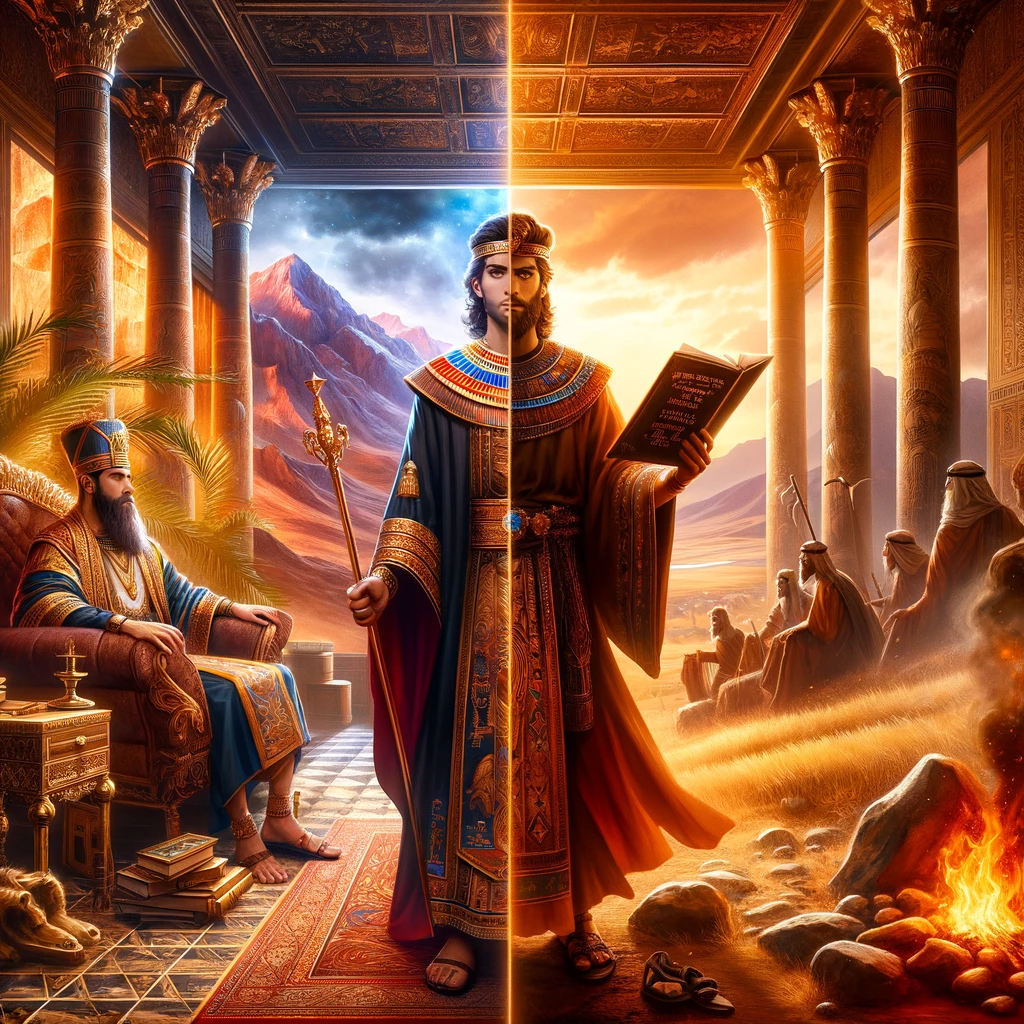

Did you know that 77% of organizations report a leadership gap? In our fast-paced, ever-changing world, strong leadership is more crucial than ever. But what if I told you that one of history’s greatest leadership playbooks was written in a desert, thousands of years ago? That’s right, folks! Moses’ 40-year wilderness journey is a goldmine of leadership insights that are shockingly relevant in 2024. From managing difficult people to making tough decisions under pressure, Moses faced it all. So grab your virtual staff, and let’s trek through the sand dunes of time to uncover 12 game-changing leadership lessons that’ll transform the way you lead. Trust me, by the end of this, you’ll be ready to part your own Red Sea of challenges!
1. Embracing Your Calling: The Burning Bush Moment

When Moses encountered the burning bush, it wasn’t just a supernatural event; it was a pivotal moment that marked the beginning of his journey as a leader. Imagine standing in front of a bush engulfed in flames yet not consumed by the fire. That’s when Moses heard God’s call to lead the Israelites out of Egypt. But here’s the kicker—Moses wasn’t immediately on board. He hesitated, questioned his abilities, and even tried to dodge the responsibility. Sound familiar?
Recognizing and Accepting Leadership Responsibilities
In our modern context, the burning bush represents those moments in life when we’re called to step up, whether it’s a promotion at work, a challenging project, or leading a team through a crisis. It’s that moment when you realize that the role you’ve been thrust into isn’t just a job; it’s a calling. But recognizing this calling is just the first step. The real challenge lies in accepting it.
Overcoming Self-Doubt and Imposter Syndrome
Like Moses, many of us grapple with self-doubt and imposter syndrome. We question our qualifications, worry that we’ll fail, or fear that we’re not the right person for the job. Moses felt the same way—he was concerned about his speaking abilities and whether people would believe him. But here’s the truth: leadership isn’t about having all the answers. It’s about having the faith to step forward despite your fears, trusting that you can grow into the role.
Aligning Personal Mission with Organizational Goals
Moses eventually aligned his personal mission with the greater purpose of leading the Israelites to freedom. For us, this alignment means finding a way to connect our personal values and goals with those of the organization we lead. When your mission aligns with the organization’s goals, your leadership becomes more than just managing tasks—it becomes a purpose-driven journey.
So, take a moment to reflect on your “burning bush” moment. Have you recognized the call to lead? More importantly, have you embraced it? Remember, like Moses, the first step is often the hardest, but it’s also the most transformative.
2. Confronting Authority: Standing Up to Pharaoh

When Moses stood before Pharaoh, he wasn’t just addressing a powerful king; he was challenging the very system that had oppressed his people for generations. It was a monumental act of courage, and one that didn’t come easy. For many of us, confronting authority or challenging the status quo can feel just as daunting. But Moses’ example shows us that with courage, preparation, and divine backing, we can stand firm even in the face of overwhelming power.
Developing Courage to Challenge the Status Quo
Moses didn’t start out as a fearless leader. In fact, he initially tried to avoid the mission altogether. But as he embraced his calling, his courage grew. Confronting Pharaoh wasn’t just a single act of bravery; it was the culmination of many smaller steps where Moses learned to trust in God’s plan and his own abilities. For modern leaders, developing the courage to challenge the status quo often begins with small acts of defiance against inefficiency, injustice, or complacency. It’s about believing that change is possible and that you have the power to make it happen.
Negotiation Tactics for Dealing with Difficult Stakeholders
Pharaoh was the ultimate difficult stakeholder. He was stubborn, dismissive, and had all the power. Yet, Moses repeatedly went back to him with the same demand: “Let my people go.” His persistence was key. Moses knew when to be firm and when to offer compromises, like when he negotiated the terms of the plagues. Similarly, when dealing with difficult stakeholders today, it’s crucial to be clear about your goals, stay patient, and be willing to find common ground where possible. Remember, negotiation is not just about winning, but about finding a solution that works for all parties involved.
Balancing Assertiveness with Diplomacy
Moses’ interactions with Pharaoh were a masterclass in balancing assertiveness with diplomacy. He was firm in his demands, yet he didn’t let his emotions dictate his actions. This balance is essential in leadership. Being too aggressive can alienate those you need to work with, while being too passive can lead to being overlooked or ignored. Assertiveness is about standing up for your principles, but diplomacy ensures that you do so in a way that fosters respect and opens the door to collaboration.
Standing up to authority is never easy, but it’s often necessary to bring about meaningful change. Whether you’re dealing with a difficult boss, challenging corporate norms, or advocating for something you believe in, take a page from Moses’ book. Approach each situation with courage, persistence, and a balanced strategy, and you might just see your own “Pharaoh” give way.
3. Leading Through Crisis: The Exodus Strategy
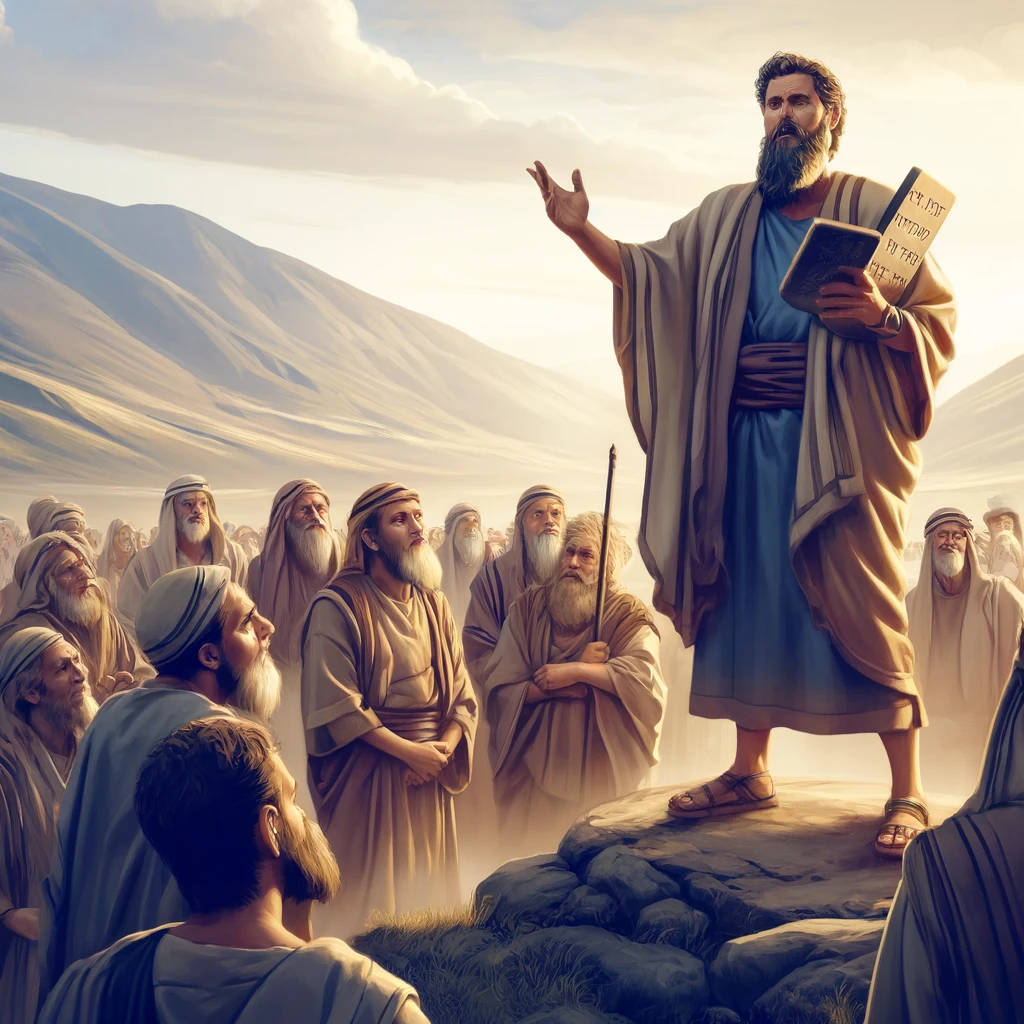
Moses’ leadership during the Exodus is one of the most remarkable examples of guiding a group through a crisis in history. Imagine leading thousands of people out of slavery, through a harsh desert, and into the unknown, all while facing constant threats and uncertainties. His ability to manage this monumental transition holds valuable lessons for anyone leading an organization through turbulent times.
Managing Organizational Change and Transitions
The Exodus was the ultimate organizational change – moving an entire nation from the only life they’d ever known into an entirely new reality. Change is never easy, and resistance is almost guaranteed, as Moses experienced with the Israelites’ frequent complaints and doubts. In modern organizations, leading through change requires clear vision and a strong strategy. Leaders must anticipate resistance, address concerns, and keep everyone focused on the end goal. Just as Moses continually reminded the Israelites of the Promised Land, modern leaders need to keep their teams aligned with the bigger picture, ensuring that the short-term discomfort of change doesn’t overshadow long-term benefits.
Communicating Effectively During Uncertain Times
Communication was key to Moses’ leadership. Whether it was delivering God’s commands, responding to the people’s fears, or instructing his leaders, Moses ensured that his messages were clear, consistent, and authoritative. During times of crisis, uncertainty can breed fear and chaos. This is why effective communication is vital. Leaders must provide clear, honest, and regular updates to their teams. Transparency helps to build trust, even when the news isn’t all positive. It’s about keeping people informed so they know what to expect and what is expected of them. In the absence of clear communication, rumors and fear can take hold, undermining the entire transition process.
Inspiring Confidence in Your Team Amidst Chaos
Perhaps the most challenging aspect of leadership during the Exodus was keeping the people’s morale high despite the overwhelming challenges they faced. The Red Sea was in front of them, and Pharaoh’s army was behind them. Yet, Moses stood firm, reassuring the Israelites of God’s deliverance. In any crisis, leaders must be the calming force that reassures the team and helps them maintain faith in the mission. Inspiring confidence isn’t about pretending everything is perfect; it’s about acknowledging the difficulties while also highlighting the strengths, resources, and opportunities that will help the team prevail. It’s about showing that, even in the midst of chaos, there’s a path forward.
The Exodus was a journey filled with incredible challenges, yet Moses’ leadership turned a potential disaster into a triumphant deliverance. As leaders today face their own “Red Sea moments,” these strategies—managing change, communicating effectively, and inspiring confidence—are crucial for guiding teams through crises and leading them into new opportunities. Just as Moses led his people to the Promised Land, modern leaders can steer their organizations to success, even in the most uncertain times.
4. Delegating Wisely: Jethro’s Advice

Moses, as a leader, was trying to do everything himself—handling every dispute, solving every problem, and guiding an entire nation. But his father-in-law Jethro, a wise man, saw the strain it was putting on him and offered crucial advice: delegate.
Recognizing the Importance of Distributing Responsibilities
Jethro’s advice to Moses was simple yet profound: “What you are doing is not good. You will surely wear out, both yourself and these people who are with you” (Exodus 18:17-18). The same principle applies in today’s leadership. No matter how capable a leader is, trying to do everything alone leads to burnout and inefficiency. Delegation isn’t just about lightening the load; it’s about recognizing that the collective effort of many can accomplish far more than the individual effort of one. By distributing responsibilities, leaders can focus on the most critical tasks that require their attention while empowering others to take ownership of different aspects of the work. This not only enhances productivity but also promotes a sense of trust and collaboration within the team.
Identifying and Developing Potential Leaders Within Your Team
Jethro didn’t just suggest delegation; he advised Moses to choose capable leaders from among the people—those who could be trusted to lead smaller groups and handle less critical matters. This is a valuable lesson in leadership: the importance of identifying potential leaders within your team. Effective delegation involves more than just assigning tasks; it’s about selecting the right people for the right roles. Leaders should look for team members who show initiative, reliability, and a willingness to grow. Once these individuals are identified, it’s crucial to invest in their development through training, mentorship, and opportunities to lead. By doing so, a leader not only eases their own burden but also builds a stronger, more capable team that can take on greater responsibilities in the future.
Creating Efficient Organizational Structures
Jethro’s advice led to the establishment of a structured system where leaders were appointed over groups of thousands, hundreds, fifties, and tens. This hierarchical structure allowed for efficient management and ensured that Moses only dealt with the most complex cases. Similarly, in modern organizations, creating clear and efficient structures is vital for smooth operations. An organized structure helps in streamlining decision-making processes, clarifying roles and responsibilities, and improving communication flow. It also enables quick identification of issues and prevents bottlenecks. By establishing a system where responsibilities are clearly defined and appropriately delegated, leaders can ensure that their organization runs smoothly and efficiently, even as it grows and faces new challenges.
Jethro’s advice to Moses is a timeless reminder that wise delegation is at the heart of effective leadership. By recognizing the importance of distributing responsibilities, identifying and nurturing potential leaders, and creating efficient organizational structures, leaders can not only manage their workload more effectively but also empower their teams to achieve greater success. Just as Moses transformed his leadership approach and improved the governance of the Israelites, today’s leaders can use these principles to build more resilient and dynamic organizations.
5. Handling Complaints: Manna and Quail Management

Leading a group, whether in a business setting or any other organization, often involves managing complaints and grievances. Moses faced a multitude of complaints from the Israelites during their journey through the wilderness, particularly concerning their need for food. The lessons from how he handled these situations offer valuable insights for today’s leaders.
Addressing Team Grievances Constructively
When the Israelites grumbled about the lack of food, Moses didn’t ignore their concerns or dismiss them as mere complaints. Instead, he listened and took the matter to God, seeking a solution that would address the people’s needs. This approach highlights the importance of taking team grievances seriously. When team members voice concerns, it’s crucial to listen actively and acknowledge their feelings. Constructive handling of grievances involves understanding the root cause of the issue, showing empathy, and responding in a way that demonstrates a commitment to finding a solution. This not only helps in resolving the immediate problem but also strengthens the trust between the leader and the team.
Balancing Individual Needs with Collective Goals
Moses had to balance the individual desires of the Israelites with the broader goal of leading them to the Promised Land. While some were focused on their immediate hunger, Moses had to keep sight of the long-term journey and the collective well-being of the entire nation. As a leader, it’s essential to balance individual needs with the overarching goals of the organization. This means ensuring that while individual concerns are addressed, they do not derail the progress towards achieving the collective mission. Effective leaders find ways to meet the personal needs of team members while aligning those needs with the broader organizational objectives. This balance is key to maintaining harmony and ensuring that everyone is moving in the same direction.
Turning Complaints into Opportunities for Improvement
The complaints about food in the wilderness led to the miraculous provision of manna and quail, but they also served as opportunities for Moses to teach the Israelites about reliance on God and the importance of gratitude. Similarly, complaints within a team or organization can be valuable opportunities for growth and improvement. Instead of seeing complaints as negative feedback, leaders can view them as insights into areas that need attention or change. By addressing complaints constructively and using them as catalysts for improvement, leaders can enhance the overall functioning of the team and prevent similar issues from arising in the future.
Moses’ experience with the Israelites and their complaints about manna and quail offers timeless lessons in leadership. By addressing grievances constructively, balancing individual needs with collective goals, and turning complaints into opportunities for improvement, leaders can navigate the challenges of managing a team with wisdom and grace. Just as Moses was able to lead the Israelites through their wilderness journey, today’s leaders can guide their teams through the challenges they face, fostering a culture of communication, collaboration, and continuous improvement.
6. Setting Boundaries: The Ten Commandments Approach
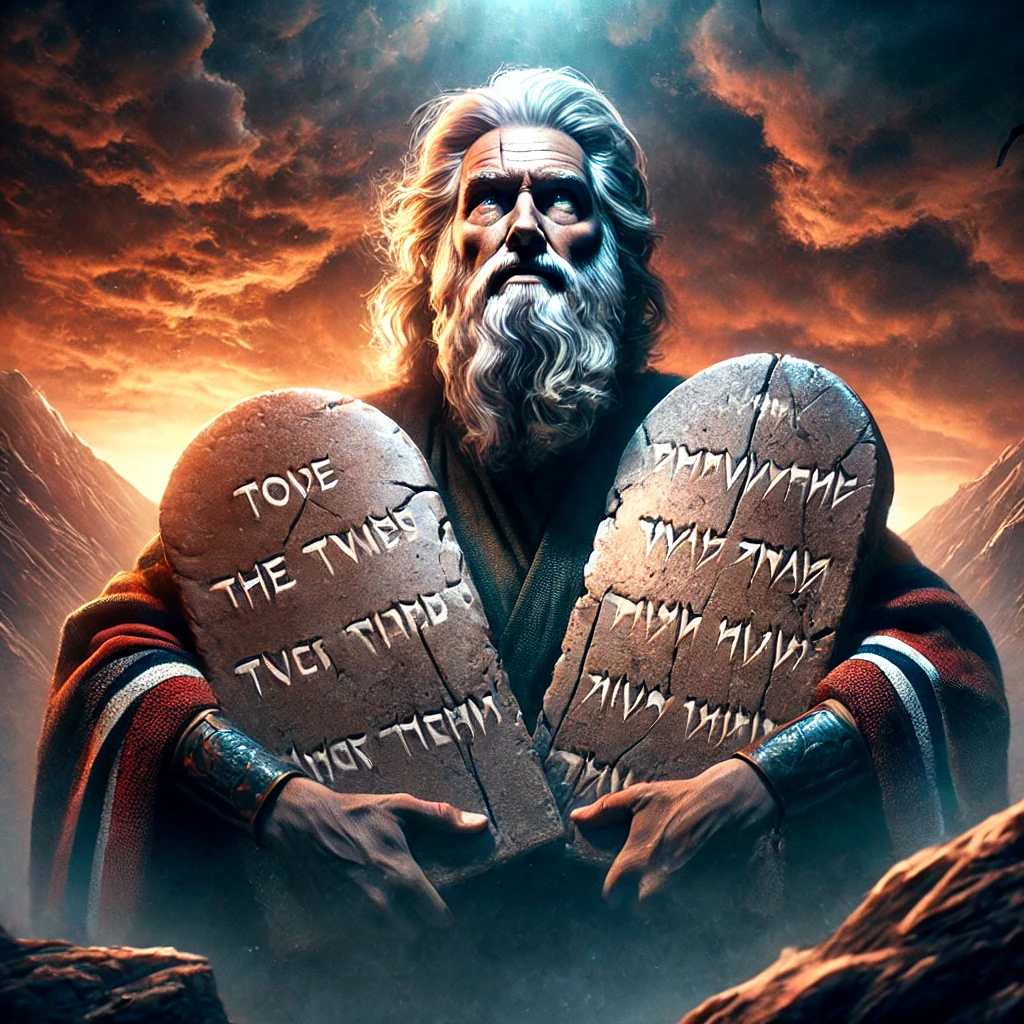
In any organization, clear guidelines and expectations are essential for success. Moses’ delivery of the Ten Commandments to the Israelites serves as a powerful example of how setting boundaries can create order, foster a positive culture, and ensure ethical leadership. Let’s explore how the principles behind the Ten Commandments can be applied to modern leadership.
Establishing Clear Guidelines and Expectations
The Ten Commandments were given to the Israelites as foundational rules to live by, providing clear boundaries that guided their behavior and relationships. In the same way, effective leaders must establish clear guidelines and expectations for their teams. This involves setting specific, understandable goals and standards that everyone is expected to follow. When guidelines are clear, team members know what is expected of them, which reduces confusion and increases productivity. Moreover, it helps in creating a fair and consistent environment where everyone is held to the same standards.
Creating a Positive Organizational Culture
The Ten Commandments were not just rules; they were the foundation of a community’s culture and values. Similarly, the guidelines and boundaries set by leaders contribute to shaping the culture of an organization. A positive organizational culture is one where values such as respect, integrity, and teamwork are promoted and upheld. Leaders play a crucial role in modeling these values and ensuring that they are reflected in the behavior of the entire team. By setting boundaries that align with the organization’s core values, leaders can foster a culture that encourages collaboration, mutual respect, and a shared sense of purpose.
Ensuring Ethical Leadership and Decision-Making
The Ten Commandments emphasized ethical behavior, both in personal conduct and in dealings with others. For leaders today, ensuring ethical leadership and decision-making is paramount. This means making decisions that are not only legally compliant but also morally sound. Leaders must consistently act with integrity, fairness, and transparency, setting an example for others to follow. When leaders uphold ethical standards, they build trust within their team and with external stakeholders. Additionally, it creates a safeguard against potential issues that could arise from unethical behavior, protecting both the organization’s reputation and its long-term success.
Moses’ delivery of the Ten Commandments provides a timeless blueprint for leadership. By establishing clear guidelines and expectations, creating a positive organizational culture, and ensuring ethical leadership and decision-making, leaders can guide their teams with wisdom and integrity. Just as the Ten Commandments helped to create a cohesive and moral community, setting boundaries within an organization helps to build a strong, values-driven team that can navigate challenges with confidence and unity.
7. Crisis Management: The Golden Calf Incident
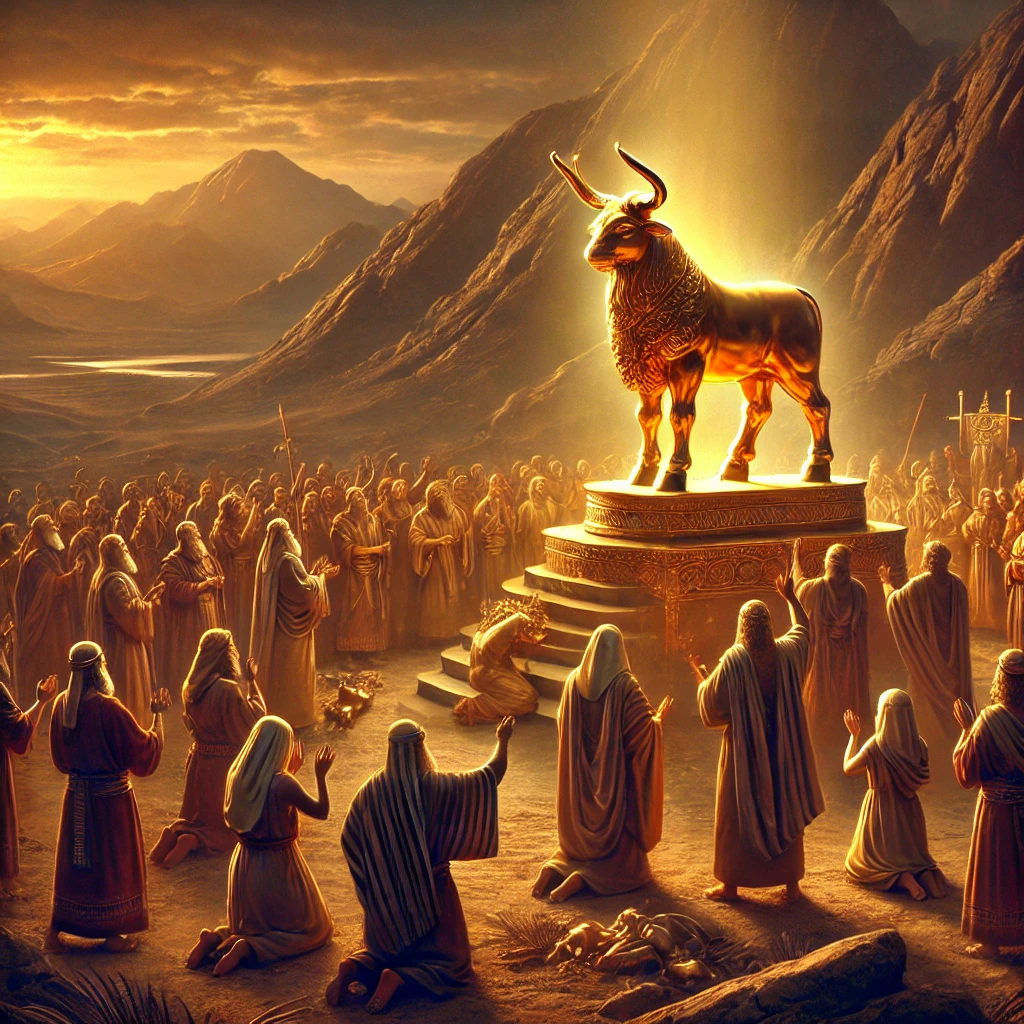
Crisis management is a critical skill for any leader, and few situations illustrate this better than the Golden Calf incident. When Moses descended from Mount Sinai and found the Israelites worshipping a golden idol, he was faced with a profound leadership crisis. This moment in history provides valuable lessons on addressing major setbacks, balancing justice with mercy, and rebuilding trust after organizational failures.
Addressing Major Setbacks and Team Failures
The Golden Calf incident was a major setback for Moses and the Israelites. After leading the people out of Egypt and receiving divine guidance, Moses returned to find them violating the very principles they had agreed to uphold. In any organization, setbacks and failures are inevitable, whether due to a lapse in judgment, a breakdown in communication, or external pressures. When faced with such challenges, leaders must address the issues head-on. This involves acknowledging the problem, understanding its root causes, and taking decisive action to rectify the situation. In Moses’ case, he confronted the people, destroyed the idol, and called for accountability. Similarly, modern leaders must take ownership of the situation, communicate openly with their team, and implement corrective measures to prevent future failures.
Balancing Justice with Mercy in Leadership
One of the most challenging aspects of crisis management is finding the right balance between justice and mercy. Moses had to navigate this delicate balance when dealing with the aftermath of the Golden Calf incident. On one hand, justice demanded that the wrongdoing be addressed and that there be consequences for those who led the people astray. On the other hand, mercy was needed to restore the community and move forward. For leaders today, this balance is crucial. While it’s important to hold individuals accountable for their actions, it’s equally important to offer forgiveness and a path to redemption. By balancing justice with mercy, leaders can maintain the integrity of their organization while also fostering a culture of growth and second chances.
Rebuilding Trust After Organizational Missteps
After a crisis, one of the most important tasks for a leader is to rebuild trust within the organization. The Golden Calf incident shattered the trust between Moses and the people, as well as their trust in themselves. Moses’ response was to intercede on their behalf, seeking forgiveness and a renewed commitment to their covenant with God. In the modern workplace, rebuilding trust requires a similar approach. Leaders must be transparent about what went wrong, take responsibility for their role in the failure, and demonstrate a commitment to making things right. This might involve creating new policies, offering additional support to the team, or leading by example in upholding the organization’s values. Trust is rebuilt through consistent, honest communication and a demonstrated commitment to change.
The Golden Calf incident is a powerful example of how leaders can navigate crises with integrity and wisdom. By addressing setbacks directly, balancing justice with mercy, and working to rebuild trust, leaders can turn even the most challenging situations into opportunities for growth and renewal. Just as Moses guided the Israelites through their moment of crisis, modern leaders can guide their teams through difficult times with courage and compassion.
8. Vision Casting: Spies in Canaan

Vision casting is one of the most essential roles of a leader, and the story of the spies in Canaan offers profound insights into this process. When Moses sent twelve spies to explore the Promised Land, he was engaging in a vital leadership task: gathering intelligence, assessing potential challenges, and casting a vision for the future. However, the mixed reports from the spies illustrate the complexities of this process and the need for strong leadership in the face of pessimism and doubt.
Cultivating and Communicating a Compelling Vision
Moses understood that leading the Israelites into the Promised Land required more than just physical direction; it required a clear, compelling vision that could unite and motivate the people. This is true for leaders today as well. Cultivating a vision involves seeing beyond current circumstances to the possibilities of the future. It’s about imagining what could be and then communicating that vision in a way that resonates with your team. When Moses sent the spies, he was not just gathering information—he was also preparing to shape the narrative of what was possible for the Israelites. Leaders must do the same, ensuring that the vision they cast is both inspiring and achievable. This vision should be communicated consistently and with conviction, helping the team to see and believe in the future you’re working towards together.
Dealing with Pessimism and Negative Influences
The story of the spies reveals the challenge of dealing with pessimism and negative influences. Ten of the spies returned with a report filled with fear and doubt, focusing on the obstacles rather than the opportunities. This negativity quickly spread through the camp, demoralizing the people and causing them to lose sight of the vision Moses had been cultivating. As a leader, you will inevitably encounter voices of doubt and negativity—whether from within your team or from external sources. It’s crucial to address these influences head-on. This might involve providing additional context or information, reasserting your confidence in the vision, or encouraging open dialogue about the concerns being raised. However, it’s also important to recognize when negativity becomes toxic and threatens to derail the mission. In these cases, leaders must take decisive action to refocus the team and maintain momentum towards the goal.
Encouraging Innovation and Calculated Risk-Taking
Vision casting is not just about defining where you want to go—it’s also about encouraging the creativity and initiative needed to get there. The two spies who brought back a positive report—Caleb and Joshua—demonstrated the kind of faith and boldness that are essential for turning a vision into reality. They saw the same challenges as the others but believed in the potential to overcome them. Leaders must cultivate this spirit of innovation and calculated risk-taking within their teams. This means creating an environment where new ideas are welcomed, where failure is seen as a learning opportunity, and where people are encouraged to step out in faith, even when the path is uncertain. By fostering a culture of innovation and resilience, you empower your team to take ownership of the vision and contribute to its realization.
The story of the spies in Canaan teaches us that vision casting is not just about painting a picture of the future; it’s about leading your team through the complexities and challenges of making that vision a reality. By cultivating a compelling vision, addressing negativity with wisdom, and encouraging bold action, you can guide your organization toward its Promised Land, just as Moses sought to do with the Israelites.
9. Emotional Intelligence: Striking the Rock

Emotional intelligence is a cornerstone of effective leadership, and Moses’ experience striking the rock provides a powerful lesson in managing emotions, learning from mistakes, and maintaining composure under pressure. This incident, recorded in the Book of Numbers, serves as a sobering reminder that even great leaders can falter when emotions take control. However, it also offers valuable insights into the importance of emotional intelligence in leadership.
Managing Personal Emotions in Leadership
Moses was under immense pressure. Leading the Israelites through the wilderness was no small feat, and the constant complaints and challenges from the people undoubtedly weighed heavily on him. When the Israelites once again grumbled for water, Moses, in a moment of frustration, struck the rock twice instead of speaking to it as God had commanded. This outburst, though understandable, cost him dearly—it was this act that ultimately barred him from entering the Promised Land. As leaders, managing personal emotions is critical, especially in high-pressure situations. It’s natural to feel anger, frustration, or disappointment, but how we channel those emotions can make or break our leadership. Emotional intelligence involves recognizing these feelings, understanding their impact, and choosing to respond in a way that aligns with our values and responsibilities. By practicing self-awareness and self-regulation, leaders can prevent emotions from clouding their judgment and actions.
Learning from Mistakes and Showing Vulnerability
Moses’ mistake at the rock was a significant one, and it serves as a reminder that even the most seasoned leaders are not immune to errors. What stands out, however, is the opportunity to learn from such mistakes. Leadership is not about being perfect; it’s about being human and using every experience—positive or negative—as a stepping stone for growth. Admitting mistakes, apologizing when necessary, and showing vulnerability can actually strengthen a leader’s connection with their team. It demonstrates authenticity and humility, qualities that inspire trust and respect. By embracing their own imperfections, leaders create a culture where team members feel safe to take risks, innovate, and grow without the fear of harsh judgment.
Maintaining Composure Under Pressure
The ability to maintain composure in the face of adversity is a hallmark of strong leadership. Moses’ experience reminds us of the importance of keeping a level head, even when circumstances are challenging. Leadership often involves making decisions under stress, dealing with conflicts, and navigating uncertainty. In these moments, composure is key. It not only helps in making sound decisions but also sets a tone for the rest of the team. When a leader remains calm, it can have a calming effect on others, helping to stabilize the situation and maintain focus on the task at hand. Developing emotional resilience—through practices like mindfulness, prayer, or reflection—can equip leaders to handle pressure with grace and effectiveness.
The story of Moses striking the rock is a powerful lesson in emotional intelligence. It challenges leaders to manage their emotions wisely, to learn from their mistakes, and to maintain composure, no matter how intense the pressure. By cultivating these qualities, leaders can navigate the complexities of leadership with wisdom, grace, and integrity, leading their teams to success even in the most trying of circumstances.
10. Succession Planning: Passing the Baton to Joshua
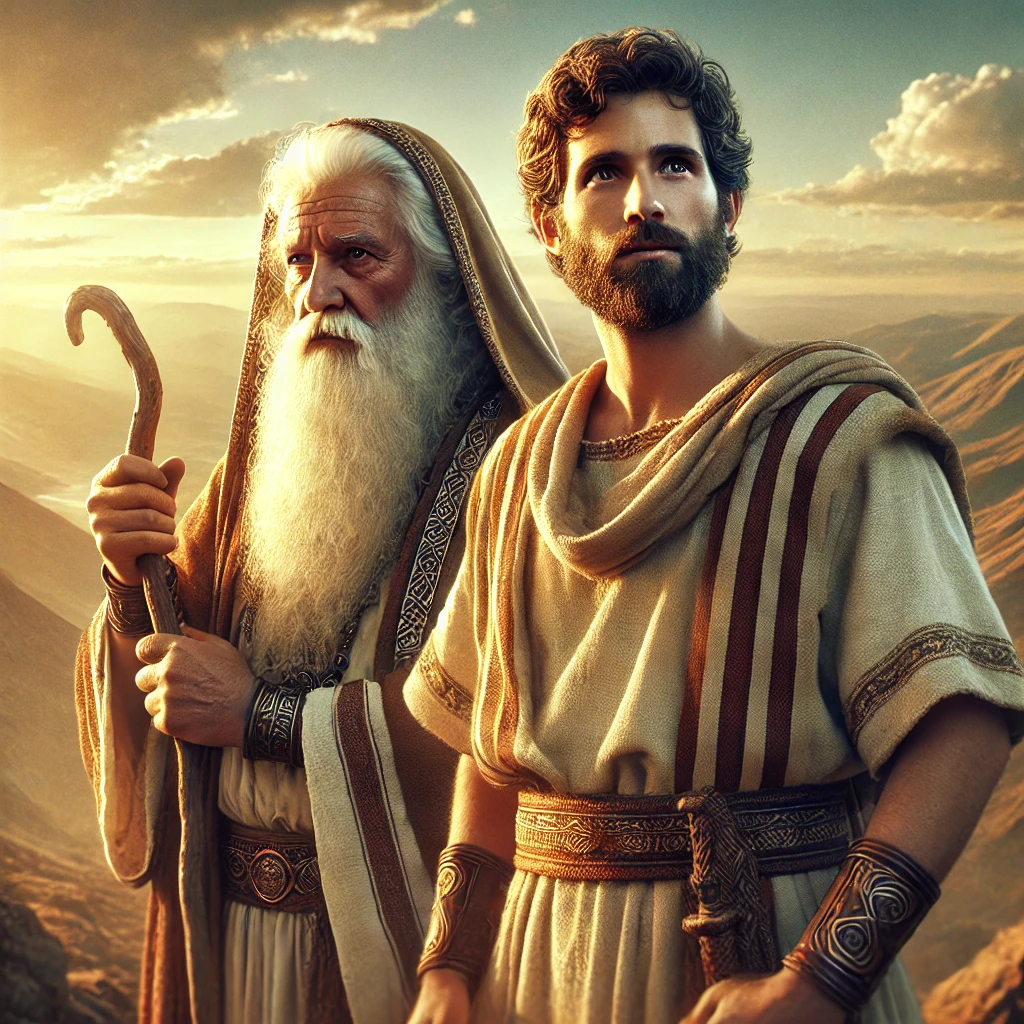
Succession planning is one of the most crucial aspects of leadership, ensuring that the organization continues to thrive even after a leader steps down. Moses’ transition of leadership to Joshua provides a timeless example of how to identify and groom future leaders, the importance of letting go, and the legacy that can be left behind.
Identifying and Grooming Future Leaders
Moses recognized early on that his role as leader of the Israelites was not eternal. God had already chosen Joshua, a man of faith and courage, to be Moses’ successor. Moses didn’t just hand over the reins at the last minute; he actively mentored Joshua, preparing him for the enormous responsibility ahead. This approach highlights the importance of identifying potential leaders well before a transition is necessary. Effective leaders look for qualities like integrity, vision, and resilience in their successors and take deliberate steps to develop these traits. Through mentorship, providing leadership opportunities, and offering constructive feedback, they ensure that future leaders are well-equipped to take on the mantle when the time comes.
Letting Go and Empowering Others to Lead
One of the most challenging aspects of succession planning is the process of letting go. Moses had led the Israelites for decades, and the bond between him and the people was strong. Yet, when the time came, he did not cling to his position. Instead, he empowered Joshua to take charge, even publicly affirming Joshua’s leadership in front of all Israel. For any leader, letting go can be difficult, especially when you’ve invested so much into an organization. However, true leadership is about empowering others to lead and recognizing that the organization’s success doesn’t depend solely on one person. By stepping back and allowing new leaders to step forward, you enable the organization to evolve and grow beyond your tenure.
Leaving a Lasting Legacy in Your Organization
Moses’ legacy didn’t end with his death; it continued through the leadership of Joshua and the future generations of Israelites. His teachings, the laws he delivered, and the example he set as a leader were the foundation upon which Joshua and the Israelites built their future. In the same way, leaders today should focus on leaving a lasting legacy that endures long after they have left their position. This legacy is built not only on the success of the organization but also on the values, culture, and vision instilled during their leadership. By prioritizing the development of future leaders and ensuring a smooth transition, leaders can leave behind a thriving, resilient organization that continues to uphold their mission and values.
Succession planning, as demonstrated by Moses’ preparation of Joshua, is vital for the long-term health and success of any organization. By identifying and grooming future leaders, letting go and empowering others to lead, and leaving a lasting legacy, leaders ensure that their work continues to make an impact for years to come. Whether in a business, non-profit, or any other type of organization, effective succession planning is the key to sustained success and growth.
11. Perseverance: 40 Years of Wandering

Perseverance is a critical leadership trait, especially when navigating long-term projects or enduring challenging circumstances. The 40 years that Moses and the Israelites spent wandering in the wilderness serve as a powerful lesson in maintaining motivation, adapting to changes, and keeping a team focused on long-term goals despite setbacks and uncertainties.
Maintaining Motivation During Long-Term Projects
The Israelites’ journey to the Promised Land was far from straightforward. What was initially expected to be a relatively short journey turned into a decades-long ordeal due to disobedience, lack of faith, and various trials. Yet, Moses consistently found ways to motivate and encourage the people, reminding them of God’s promises and the ultimate goal of reaching the Promised Land. In leadership, long-term projects often face unforeseen challenges that can drain motivation and lead to discouragement. As a leader, it’s crucial to keep the vision alive, regularly reminding your team of the purpose behind their work and the benefits that lie ahead. Celebrating small victories along the way and maintaining a positive outlook can help sustain motivation during prolonged efforts.
Adapting to Changing Circumstances Over Time
Throughout the 40 years in the wilderness, Moses had to adapt to numerous challenges, including resource shortages, internal conflicts, and the need for new strategies as the circumstances changed. Adaptability was key to his leadership, allowing him to navigate the various crises that arose and keep the Israelites moving forward. In any long-term project, circumstances are likely to change—sometimes dramatically. Effective leaders must be flexible, willing to adjust their plans, and open to new approaches as situations evolve. By being adaptable, leaders can ensure that their teams remain resilient and capable of overcoming obstacles, even when the path ahead looks different from what was initially planned.
Keeping Your Team Focused on Long-Term Goals
One of the greatest challenges Moses faced was keeping the Israelites focused on their long-term goal of reaching the Promised Land. With so many distractions, setbacks, and temptations to give up, it required constant reinforcement of the vision and a deep commitment to the end goal. Leaders today face similar challenges when guiding their teams through long-term projects. It’s easy for a team to lose sight of the bigger picture when bogged down by daily tasks and short-term setbacks. As a leader, it’s essential to regularly communicate the overarching goals and how each team member’s work contributes to achieving them. Keeping the vision at the forefront, providing clear milestones, and encouraging perseverance through the inevitable challenges help ensure that the team remains aligned and focused on achieving long-term success.
The 40 years of wandering in the wilderness may have been a time of great trial, but it was also a period of profound growth and preparation for the Israelites. Moses’ leadership during this time highlights the importance of perseverance, adaptability, and vision in guiding a team through extended challenges. By maintaining motivation, adapting to changing circumstances, and keeping your team focused on long-term goals, you can lead your organization through even the most prolonged and difficult projects, ultimately guiding them to their own “Promised Land” of success.
12. Finishing Strong: The View from Mount Nebo

As Moses stood on Mount Nebo, gazing at the Promised Land he would never enter, his leadership journey reached its poignant conclusion. This moment teaches us powerful lessons about finishing strong, finding fulfillment in the journey, and preparing our organizations for the future.
Leading with Integrity Until the End
Moses’ journey as a leader was marked by challenges, triumphs, and even personal failures, yet he remained steadfast in his commitment to God’s mission. Despite knowing he wouldn’t enter the Promised Land himself, Moses continued to lead with integrity, ensuring the Israelites were prepared for their future. In leadership, the final stretch can be the most challenging, often requiring perseverance and an unwavering commitment to your values and mission. Finishing strong means maintaining your integrity and dedication, even when the personal rewards may seem distant. It’s about staying true to your principles and ensuring that your leadership leaves a lasting, positive impact.
Finding Fulfillment in the Journey, Not Just the Destination
Moses’ view from Mount Nebo symbolizes a profound truth: leadership is not solely about reaching the destination but about the journey and the growth that happens along the way. While Moses did not physically enter the Promised Land, his leadership was instrumental in bringing the Israelites to the brink of their long-awaited home. As leaders, it’s essential to find fulfillment in the process of leading—celebrating the small victories, the lessons learned, and the relationships built along the way. When we focus solely on the end goal, we may miss the richness of the journey and the opportunities for growth that it presents. True fulfillment comes from knowing that you’ve given your best, guided others well, and made a meaningful difference, regardless of whether you personally reap the final rewards.
Preparing Your Organization for Future Challenges
One of Moses’ final acts of leadership was preparing Joshua and the Israelites for the challenges they would face without him. He ensured that they were equipped with the knowledge, faith, and structure needed to thrive in the Promised Land. In leadership, finishing strong also means preparing your organization for future success, even when you’re no longer at the helm. This involves mentoring future leaders, creating sustainable systems, and ensuring that your team is resilient and adaptable. By focusing on succession planning and leaving behind a legacy of wisdom and preparedness, you help ensure that the organization can continue to flourish long after your leadership journey has ended.
Standing on Mount Nebo, Moses saw the culmination of decades of leadership, faith, and perseverance. His journey reminds us that the true measure of leadership is not just in reaching the final goal but in how we lead, grow, and prepare others along the way. By leading with integrity, finding fulfillment in the journey, and equipping our organizations for the future, we can finish our leadership journeys strong, leaving a lasting legacy that continues to inspire and guide those who follow.
Wow! What a journey through the wilderness of leadership we’ve had! From burning bushes to mountain tops, Moses’ experiences offer a treasure trove of insights for us modern-day leaders. But here’s the kicker – these aren’t just ancient history lessons. They’re your secret weapon for navigating the wild, unpredictable business landscape of 2024! Whether you’re facing your own Pharaoh in the boardroom, trying to part the Red Sea of market competition, or dealing with complaining team members in your own wilderness, remember: great leadership often emerges from the most challenging circumstances. So, the next time you feel lost in your leadership journey, channel your inner Moses. Stand tall, raise your staff (or your laptop), and lead with courage, compassion, and conviction. After all, who knows? Your next step might just lead your team to their own Promised Land of success!
Connecting Lessons Across Moses’ Leadership Journey
Moses’ life is a treasure trove of lessons, not just in leadership but in faith, resilience, and overcoming fear. If you’re inspired by the leadership insights from Moses’ time in the wilderness, you’ll definitely want to explore the incredible miracles he performed that continue to amaze us today. From the burning bush to the parting of the Red Sea, these miracles are more than just historical events; they are powerful demonstrations of faith and divine intervention that can inspire us in our own journeys.
Explore More: 7 Mind-Blowing Miracles of Moses That Still Amaze Us Today
Delve into these miraculous events to see how Moses’ unwavering faith enabled him to perform acts that defied the natural order, reminding us that with faith, nothing is impossible.
FAQ: Leadership Lessons from Moses in the Wilderness
Q1: What can modern leaders learn from Moses’ journey through the wilderness?
A1: Moses’ journey through the wilderness offers timeless leadership lessons, including embracing your calling despite insecurities, standing up to authority with courage, leading through crises, and delegating responsibilities effectively. His experiences teach us about perseverance, emotional intelligence, and the importance of leaving a lasting legacy.
Q2: How can I apply Moses’ leadership lessons to my current role?
A2: You can apply Moses’ leadership lessons by recognizing and accepting your responsibilities, communicating effectively during uncertain times, and cultivating a compelling vision for your team. Additionally, learning to delegate, manage crises, and set boundaries can enhance your leadership effectiveness.
Q3: What is the significance of the “Burning Bush Moment” in leadership?
A3: The “Burning Bush Moment” symbolizes the moment of accepting a leadership calling. It’s about overcoming self-doubt and aligning your personal mission with the goals of your organization. Embracing this moment helps leaders step into their roles with confidence and purpose.
Q4: Why is emotional intelligence important in leadership, as illustrated by Moses?
A4: Emotional intelligence is crucial in leadership because it helps manage personal emotions, especially under pressure. Moses’ experience with striking the rock teaches leaders the importance of learning from mistakes, showing vulnerability, and maintaining composure in challenging situations.
Q5: How does Moses’ approach to succession planning provide insights for today’s leaders?
A5: Moses’ approach to succession planning emphasizes the importance of identifying and grooming future leaders, empowering others to take the lead, and ensuring a smooth transition of leadership. It’s about leaving a legacy and preparing your organization for continued success even after you’ve moved on.
Q6: What is the key takeaway from Moses’ 40 years of wandering in the wilderness?
A6: The key takeaway is perseverance. Moses’ 40 years of wandering teaches us the importance of maintaining motivation during long-term projects, adapting to changing circumstances, and keeping your team focused on the ultimate goal, despite setbacks and challenges along the way.
Embracing Leadership Growth Through Biblical Wisdom
As you explore the profound leadership lessons from Moses’ journey, it’s essential to remember that continuous learning and spiritual growth are crucial to becoming a more effective leader. If you’re seeking further inspiration or guidance on how to incorporate biblical principles into your leadership style, consider visiting Biblical Leadership for more resources and articles on leadership from a faith-based perspective.