
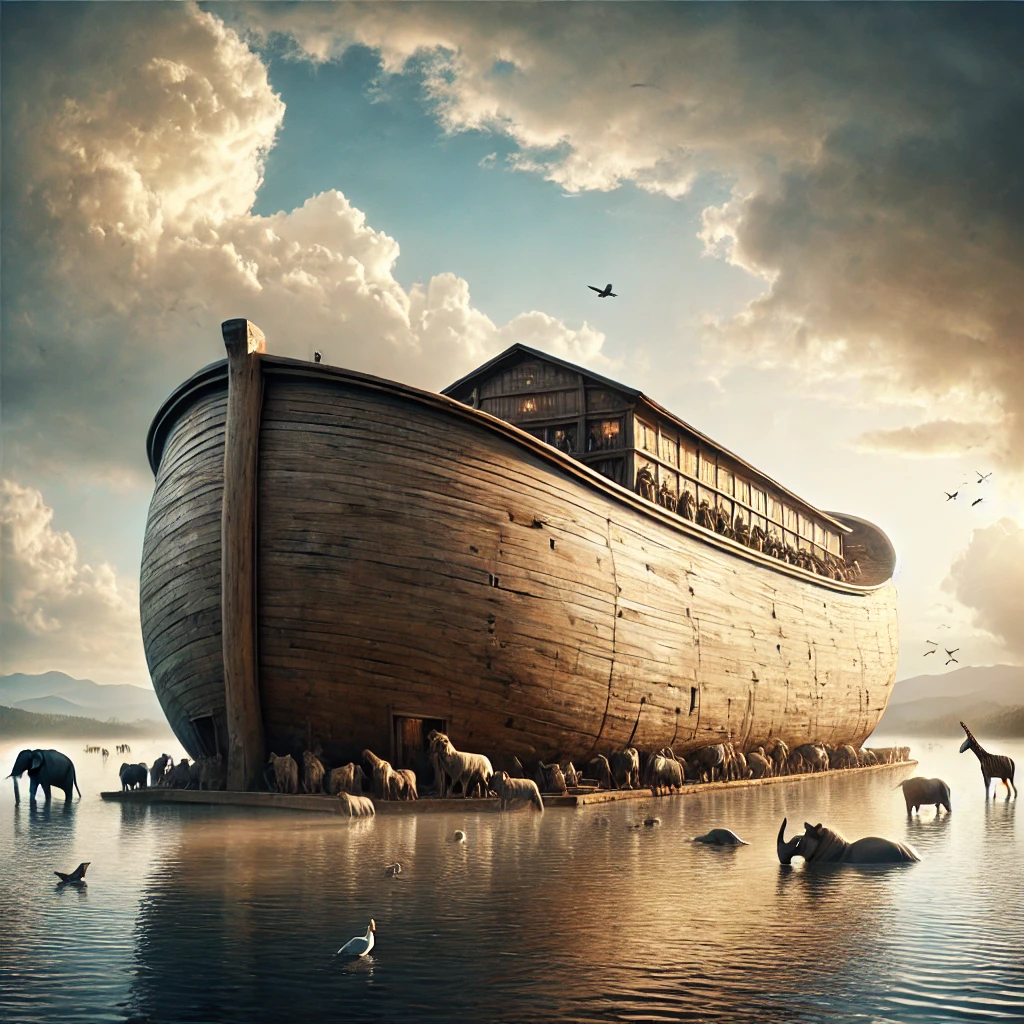
Did you know that it took Noah an estimated 100 years to build the ark? Talk about commitment! In a world where instant gratification reigns supreme, Noah’s story of unwavering faith and obedience stands as a beacon of inspiration. From facing ridicule to preserving life amidst a global catastrophe, Noah’s journey is more relevant than ever in 2024. Let’s dive into this ancient tale and uncover the profound lessons it holds for us today!
The Call to Obedience: Noah’s Divine Instructions
One of the most fascinating parts of Noah’s story is how it all started—with a divine command to build an ark. Imagine being Noah, living in a world where no one had ever seen a flood, much less experienced one of the magnitude that was coming. Then, out of the blue, God asks him to build an enormous ship, giving him specific dimensions and instructions. Talk about stepping out in faith!
God’s Command to Build the Ark
In Genesis 6:14, God told Noah, “Make yourself an ark of gopher wood.” It’s such a simple yet profound instruction. God didn’t offer an explanation or negotiate with Noah—He simply commanded, and Noah obeyed. This is where Noah’s faith shines. He didn’t need to understand every detail; he trusted God’s wisdom and acted on it.
Sometimes I think about the moments in my own life when God nudges me toward something that doesn’t make sense at the time. Maybe it’s forgiving someone who hurt me or stepping into a new project that feels way out of my comfort zone. In those moments, I’m reminded of Noah’s example—trusting God even when the road ahead seems unclear.
The Specific Dimensions and Materials Required
God didn’t just ask Noah to build a boat; He gave precise dimensions and materials: 300 cubits long, 50 cubits wide, and 30 cubits high (Genesis 6:15). Noah was to use gopher wood and cover the ark with pitch inside and out. These details remind me that God is not only interested in the big picture but also in the specifics of our obedience. He has a plan, and when we follow His instructions—even down to the small details—we’re aligning ourselves with His divine purpose.
Noah’s Immediate Response and Action
What stands out to me the most is Noah’s immediate response. He didn’t question God, argue, or delay. Genesis 6:22 simply says, “Noah did everything just as God commanded him.” How often do we hesitate when God calls us to something? I know there have been times in my life when I’ve stalled, waiting for more clarity or a sign. But Noah didn’t wait for further confirmation—he trusted God and acted.
The Challenge of Following God’s Word in a Skeptical World
Now, let’s not forget that Noah wasn’t living in an easy environment. The Bible tells us that wickedness was rampant, and people weren’t exactly lining up to hear a sermon about God’s judgment. Yet, Noah faithfully followed God’s word, even when the world around him mocked or dismissed him. It makes me wonder: how often do we shy away from following God’s lead because we’re afraid of what others might think?
In today’s skeptical world, it can be tough to stand firm in our faith, especially when people around us question or ridicule our beliefs. But Noah’s obedience is a reminder that true faith doesn’t bend to the pressures of society—it stands firm, trusting that God’s ways are higher than our own.
Building Faith: The Construction of the Ark
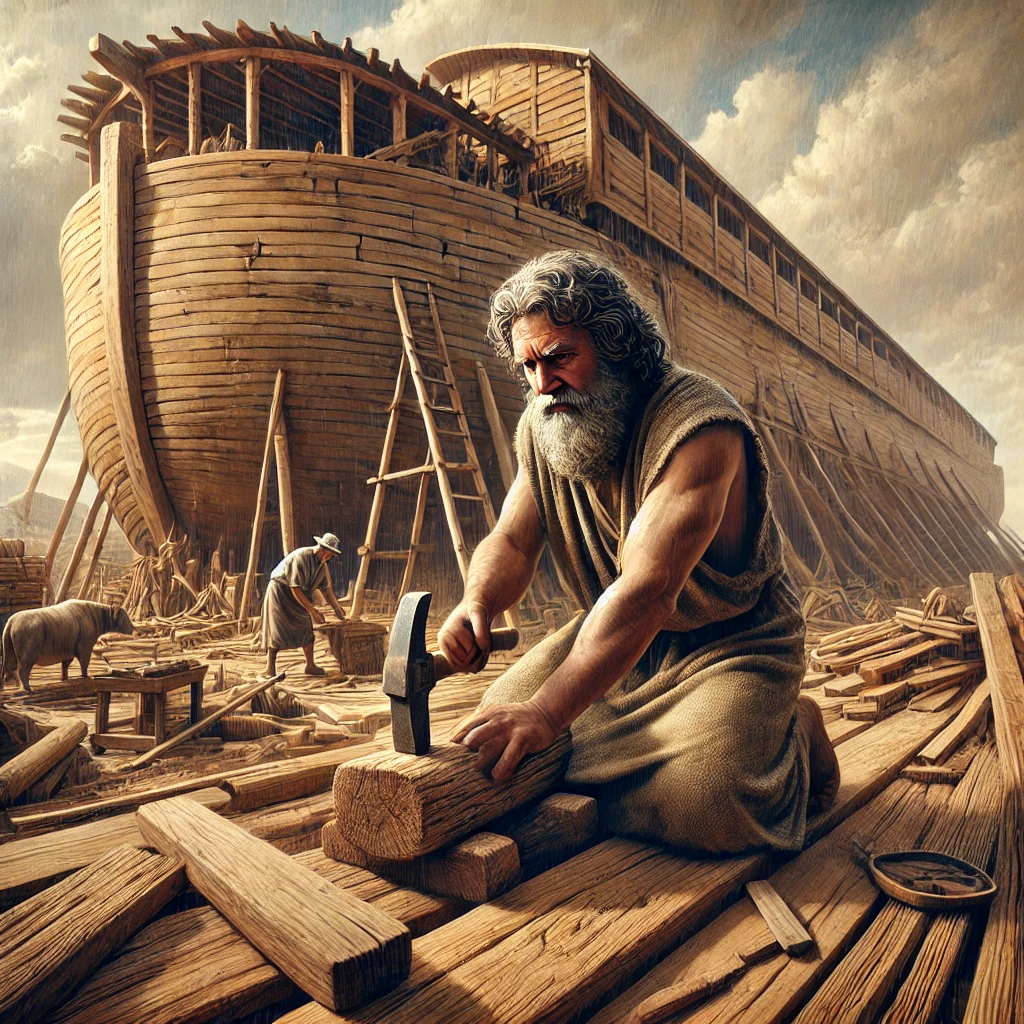
Can you imagine the scale of the project Noah was tasked with? The ark wasn’t a small weekend project; it was a massive undertaking that likely took decades to complete. Yet, Noah persevered, even when the odds seemed impossible and the world around him scoffed.
The Scale of the Project and Its Unprecedented Nature
Noah’s ark was no ordinary ship. It was massive—about 450 feet long! That’s larger than a football field. And here’s the thing: Noah wasn’t a shipbuilder. In fact, the world had never seen anything like this before. This project was unprecedented. When I think about this, I’m reminded of times in my life when God asked me to take on something that felt far beyond my capabilities. Maybe you’ve been there too—facing a task that seems way too big for you to handle. But like Noah, we have to trust that if God calls us to something, He will also equip us to see it through.
Overcoming Technical Challenges and Resource Limitations
Noah didn’t have access to modern tools or technology, and gathering the materials to build such a colossal ark must have been a monumental challenge. Yet, Noah kept going, trusting that God would provide the resources he needed. This reminds me that when we step out in faith, God will provide what we need, even if it doesn’t seem like enough at the moment. It’s not about what we have; it’s about trusting in the One who has called us.
Dealing with Mockery and Disbelief from Others
As if the technical challenges weren’t enough, Noah also had to deal with the constant ridicule from people who thought he was out of his mind. After all, who builds a massive boat in the middle of dry land? I can only imagine the mocking laughter and disbelief Noah faced day after day. Yet, he stayed the course.
This part of the story hits home for me because, as Christians, we often face criticism or disbelief from others when we step out in faith. Whether it’s making a life decision based on prayer or standing firm in our convictions, there will always be those who don’t understand. But just like Noah, we’re called to trust God’s voice above all others.
Maintaining Faith Throughout the Long Building Process
Building the ark wasn’t a quick project. Many scholars believe it took Noah around 100 years to complete the task. That’s a century of dedication, patience, and faith! I don’t know about you, but I struggle with waiting for God to move after just a few weeks or months. But Noah’s perseverance is a reminder that God’s timeline is different from ours. His promises are sure, even when the process feels slow.
Sometimes, our faith is built in the long, quiet seasons of waiting. Like Noah, we may not see the fruit of our labor right away, but if we remain obedient, we will eventually witness God’s promises come to pass.
Preserving Life: Gathering the Animals
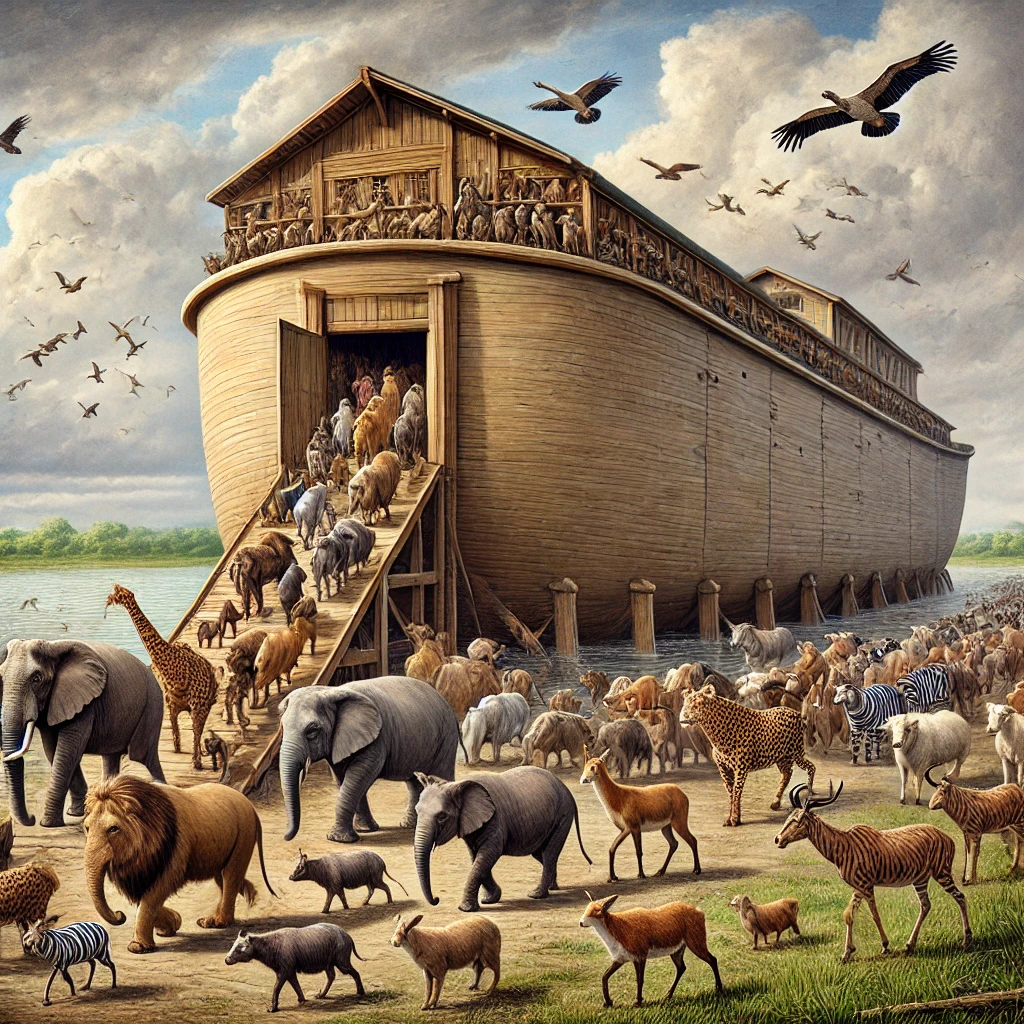
Once the ark was complete, Noah faced a new challenge—gathering two of every kind of animal. Can you imagine the logistics of such a task? While the Bible tells us that God brought the animals to Noah (Genesis 7:9), it still must have been an overwhelming process. Yet, Noah followed through, trusting that God would guide him in preserving the life that would repopulate the earth after the flood.
The Divine Instruction to Collect Pairs of Animals
God’s instructions to Noah weren’t just about saving his family; they were about preserving the diversity of life on earth. Genesis 7:2-3 outlines how Noah was to gather seven pairs of clean animals and two pairs of unclean animals. This wasn’t just a practical task—it was a profound act of obedience and stewardship. God’s care for creation is evident in this command, and it shows us that He values life in all its forms.
Logistical Challenges of Animal Collection and Care
I often wonder how Noah and his family managed to care for so many animals during the time they spent on the ark. The sheer scale of the task—feeding, cleaning, and managing these animals—must have felt overwhelming. I can relate to this feeling in my own life when God calls me to tasks that seem far beyond my capacity. But just like Noah, we’re reminded that God doesn’t call us to tasks we can’t handle. When He gives us a mission, He provides the strength and resources to see it through, even when it seems impossible.
Symbolism of Preservation and Stewardship
In gathering the animals, Noah became a steward of God’s creation. This act of preservation wasn’t just about survival; it symbolized God’s desire to protect and sustain the earth and its creatures. Today, we’re called to be good stewards of the earth as well. Whether it’s through caring for the environment or being mindful of how we use the resources God has entrusted to us, Noah’s story serves as a powerful reminder of our responsibility to care for creation.
Lessons in Biodiversity and Environmental Responsibility
Noah’s obedience in gathering the animals also teaches us a modern lesson in biodiversity. By preserving a wide range of species, Noah played a role in maintaining the delicate balance of life on earth. As Christians, we can take this as a call to be responsible stewards of the planet. In a world where environmental issues are often overlooked, Noah’s story encourages us to protect the biodiversity and resources that God has provided.
Weathering the Storm: The Great Flood
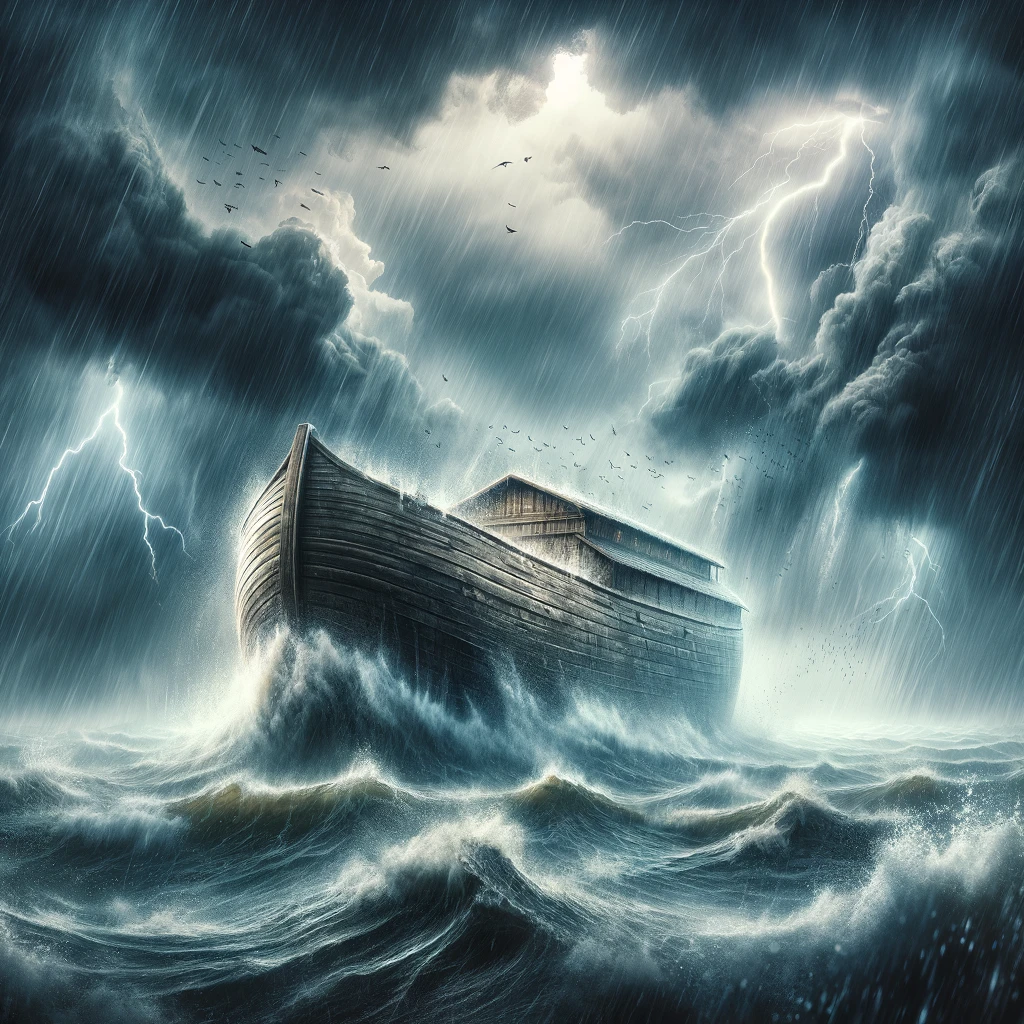
When the rains finally came, Noah and his family entered the ark, and the door was shut. What followed was a period of intense storms, heavy rains, and global destruction. But inside the ark, Noah and his family were safe, trusting in God’s protection amidst the chaos.
The Onset of the Flood and Entering the Ark
The moment the flood began must have been surreal. After years of preparation and warnings, the reality of God’s judgment was finally here. Genesis 7:11-12 tells us that the fountains of the deep burst forth, and rain fell for 40 days and nights. Can you imagine the relief—and the fear—Noah must have felt as he and his family stepped into the ark, leaving behind the world they knew? It’s a powerful picture of God’s provision and protection in the midst of a storm.
In my own life, I’ve had moments where stepping into obedience felt like stepping into an ark—leaving behind the familiar and trusting God to carry me through the unknown. But just like Noah, when we follow God’s guidance, He provides a safe haven for us, even when the world feels like it’s falling apart around us.
Life Aboard the Ark During the Deluge
Life aboard the ark couldn’t have been easy. Forty days of relentless rain, surrounded by animals, with no land in sight—it must have been a test of patience and faith. But Noah and his family stayed inside, trusting that God’s plan was unfolding, even if they couldn’t see the end yet.
I think about this a lot when I’m in seasons of waiting—when the storm around me seems endless, and I don’t know when things will get better. It’s in those moments that God calls us to trust Him, even when the storm is still raging. Noah’s story reminds us that sometimes, the most faithful thing we can do is simply stay the course, trusting that God will bring us through in His timing.
Trusting in God’s Protection Amidst Chaos
Noah’s family could hear the rain and the storm, but they had to trust that the ark would hold. Likewise, in life’s storms, we have to trust that God’s protection is greater than the chaos around us. Psalm 46:1 says, “God is our refuge and strength, an ever-present help in trouble.” Just as Noah found refuge in the ark, we can find refuge in God’s promises.
The Psychological and Emotional Toll of the Experience
While we often focus on the physical aspects of the flood, I can’t help but think about the emotional and psychological toll it must have taken on Noah and his family. The loss of their home, the destruction of the world they knew, and the uncertainty of what lay ahead must have weighed heavily on their hearts.
In our own lives, facing prolonged seasons of hardship can take a similar toll. But Noah’s perseverance is a reminder that even when we’re weary, God is still at work. He doesn’t leave us in the storm forever—He carries us through it, and on the other side, there’s a new beginning waiting for us.
A New Beginning: The Aftermath of the Flood
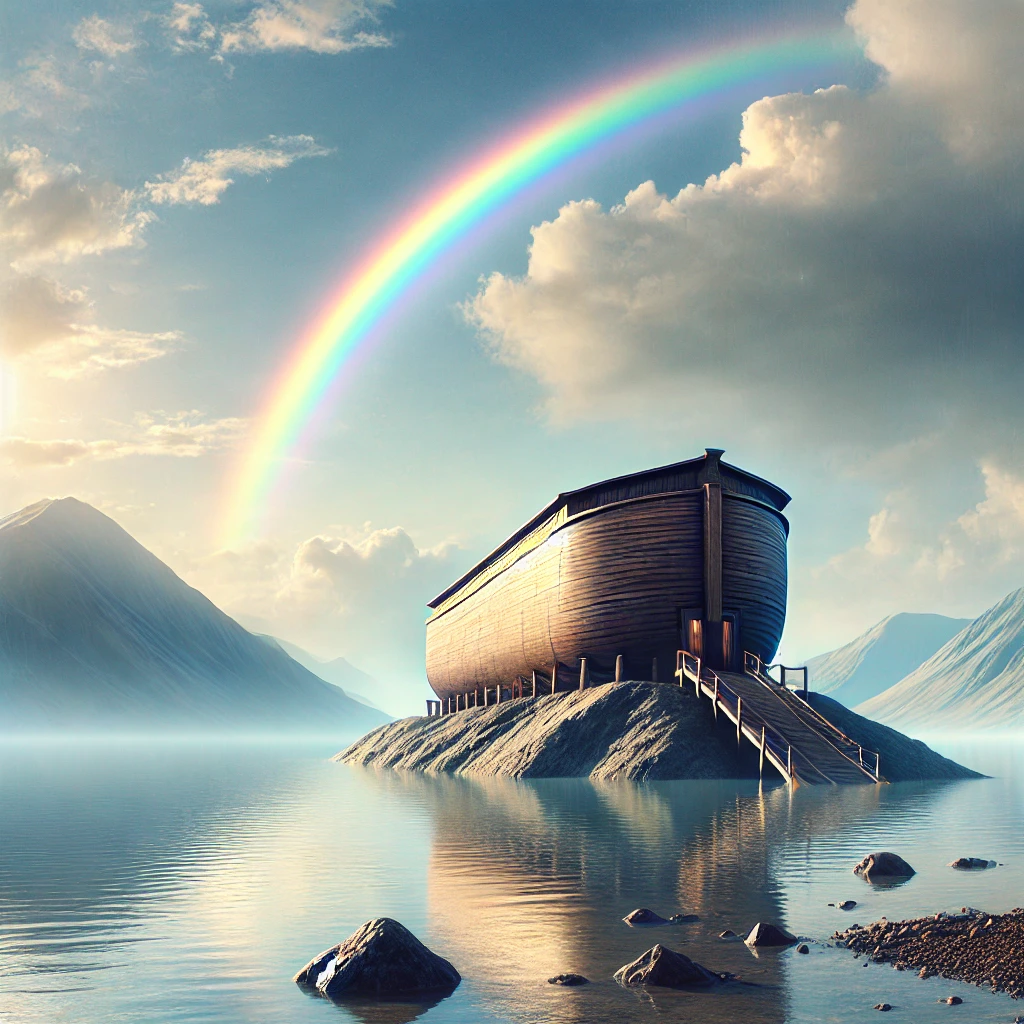
After the rain stopped and the waters began to recede, Noah and his family must have been filled with a mix of emotions—relief, anticipation, and uncertainty. They had survived a global catastrophe, but the world they emerged into was entirely new. The flood wasn’t just an ending; it was the beginning of something new, a fresh start for Noah, his family, and all of creation.
The Receding Waters and Landing on Mount Ararat
After months aboard the ark, the ark finally came to rest on Mount Ararat. Genesis 8:4 marks this pivotal moment, symbolizing hope after the storm. Noah waited patiently for the waters to subside, sending out a dove to find dry land. The moment the dove returned with an olive branch in its beak (Genesis 8:11), it was a sign that the flood was truly over. God had seen Noah through the storm, and now it was time to step into a new beginning.
I often think about this moment when I’ve gone through storms in my own life. It’s that moment when the worst has passed, and you can finally see a glimpse of hope on the horizon. Just like Noah, God provides us with signs that He is still guiding us, even after the most difficult seasons.
God’s Covenant with Noah and the Rainbow Symbol
When Noah and his family finally stepped off the ark, they offered a sacrifice to God in gratitude (Genesis 8:20). In response, God made a covenant with Noah, promising never to destroy the earth with a flood again. The sign of this promise was the rainbow, a beautiful symbol of God’s mercy and faithfulness.
Every time I see a rainbow, I’m reminded of this covenant—a promise that God is faithful, even after the storm. It’s a symbol that God keeps His word, and that no matter what we’ve been through, He’s always there to provide hope and restoration.
Repopulating the Earth and Starting Anew
After the flood, Noah and his family were given the monumental task of repopulating the earth. Genesis 9:1 says, “Be fruitful and multiply and fill the earth.” It was a fresh start, but also a huge responsibility. In the same way, after we come through the storms in our lives, we often find ourselves facing new opportunities and challenges. God gives us the chance to rebuild, to start anew, and to carry forward the lessons we’ve learned.
Lessons in Renewal, Second Chances, and Divine Promises
Noah’s story teaches us about the beauty of second chances. The flood wasn’t just an act of judgment; it was a reset, an opportunity for humanity to start over. In our own lives, we often experience moments when God gives us a fresh start—a chance to let go of the past and move forward with renewed faith. Noah’s journey reminds us that even after the hardest trials, God’s promises remain, and He is faithful to bring us through to the other side.
Noah’s Legacy: Lessons for Modern Times
Noah’s story isn’t just an ancient tale of survival—it’s a powerful testimony to the strength of faith, obedience, and perseverance. In today’s fast-paced world, where distractions are constant and instant gratification is the norm, Noah’s legacy serves as a beacon of wisdom and encouragement for all of us.
The Importance of Unwavering Faith in Difficult Times
Noah’s faith was remarkable. He trusted God completely, even when the task before him seemed impossible, and even when the people around him mocked his efforts. Today, we’re faced with our own challenges, and sometimes it feels like the world is against us. But Noah’s example shows us that faith isn’t about understanding every detail—it’s about trusting God’s plan, even when it doesn’t make sense to us.
In my own life, I’ve found that the times when I’ve leaned most heavily on my faith are the times when I’ve felt the most peace, even in the middle of chaos. Noah’s story reminds us that faith is the foundation we need to weather the storms of life.
Obedience to Higher Principles Despite Societal Pressure
One of the most striking parts of Noah’s story is his obedience. He followed God’s instructions, even when it meant going against the grain of society. This speaks volumes to me, especially in today’s world where standing up for our faith and values can feel isolating. But like Noah, we’re called to obedience, even when it’s hard, even when people don’t understand. Our faithfulness is a testament to God’s work in us, and it can inspire others to seek Him, too.
Environmental Stewardship and Care for Creation
Noah’s role in preserving the animals during the flood offers a powerful lesson in environmental stewardship. Today, we’re entrusted with the care of God’s creation, just as Noah was. As Christians, it’s important to recognize that part of our faith involves taking responsibility for the world around us—protecting the environment, caring for animals, and being mindful of how we use the resources God has given us.
Perseverance in Long-Term Goals and Visions
Noah spent around 100 years building the ark. That’s a level of perseverance that’s hard to imagine! In today’s world, we’re so used to instant results that waiting—even for a few weeks or months—can feel unbearable. But Noah’s long-term commitment to God’s vision is a reminder that some of the most important things in life take time. Whether it’s a personal goal, a family dream, or a ministry calling, perseverance is key. We might not see the results right away, but if we stay faithful, God will bring His plans to fruition in His perfect timing.
Conclusion
Noah’s extraordinary journey of faith, obedience, and perseverance continues to resonate with us today. In a world full of distractions and instant gratification, his story reminds us of the power of steadfast commitment to our beliefs and values. Whether we’re facing personal challenges, societal pressures, or global crises, Noah’s example encourages us to stand firm, trust in a higher purpose, and be willing to go against the tide when necessary.
As we navigate our own “arks” through life’s storms, let’s draw inspiration from Noah’s unwavering spirit and remember that with faith and perseverance, we too can emerge stronger on the other side. So, what “ark” are you building in your life? Maybe it’s a new direction, a calling, or a dream you’ve held in your heart. Whatever it is, Noah’s story reminds us that when we trust in God, anything is possible.
Facing Giants Like Noah and David
Just as Noah had to overcome the overwhelming task of building the ark in the face of doubt and ridicule, David faced his own giant—literally. Both stories remind us that no matter the size of the challenge, unwavering faith and obedience to God can lead to victory. In fact, David’s victory over Goliath is a powerful testament to the power of faith in overcoming our personal giants.
To explore how you can face the giants in your life with faith like David, check out this article on Overcoming Giants: The Story of David and Goliath. Like Noah, David’s trust in God allowed him to defeat what seemed like an impossible foe.
Further Resources on Noah’s Faith
Noah’s unwavering faith and obedience in the face of an unprecedented challenge continues to inspire believers today. For those interested in exploring this topic further, the Bible Project offers an excellent video overview of Noah’s story and its significance. Their “Noah’s Ark” video provides insightful analysis of the biblical narrative, highlighting key themes of faith, obedience, and God’s covenant with humanity. You can watch the video and access additional study resources on the Bible Project’s Noah page.
FAQ: Noah’s Ark and Lessons for Today
Q: How long did it take Noah to build the ark?
A: It is estimated that it took Noah around 100 years to complete the construction of the ark. This speaks to the incredible level of perseverance and faith Noah had, trusting God’s plan over such a long period of time.
Q: What does Noah’s story teach us about obedience?
A: Noah’s story teaches us the importance of immediate and unwavering obedience to God, even when His instructions don’t make sense or seem overwhelming. Noah trusted God completely, and his obedience saved not only his family but also the future of humanity and creation.
Q: How can Noah’s story be applied to our lives today?
A: Noah’s story encourages us to stay faithful in the face of challenges, trust in God’s promises, and commit to long-term visions, even when the results aren’t immediately visible. It also reminds us to care for the environment and be good stewards of God’s creation.
Q: Why is the rainbow significant in Noah’s story?
A: The rainbow is a symbol of God’s covenant with Noah, promising that He would never again flood the earth. It represents God’s faithfulness and mercy, reminding us that even after the storms, God’s promises endure.