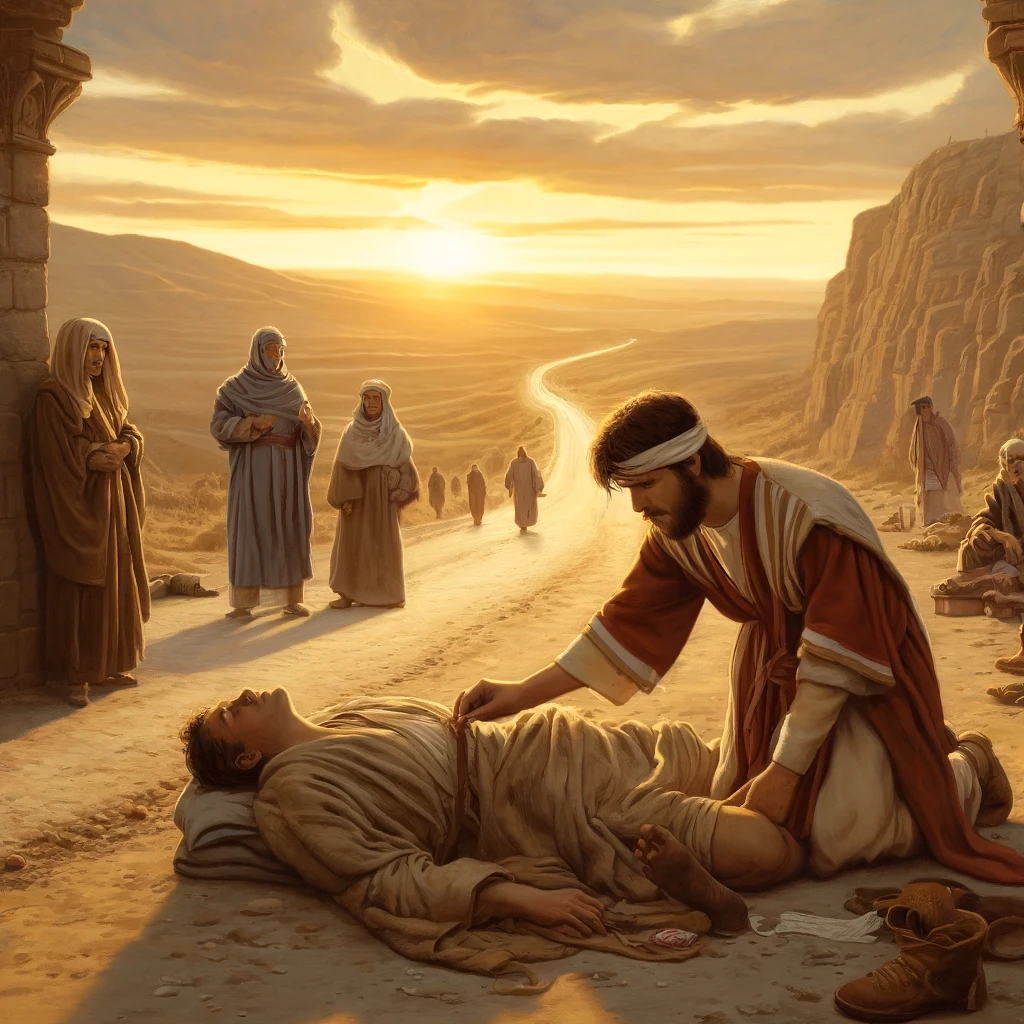


Did you know that before he became one of Christianity’s most influential leaders, Peter was just a regular guy casting nets into the Sea of Galilee? Talk about a career change! Peter’s transformation from a rough-and-tumble fisherman to the rock upon which Christ built His church is more than just an ancient tale – it’s a blueprint for personal growth that’s shockingly relevant in 2024. So, grab your metaphorical fishing rod (and maybe a cup of coffee), because we’re about to dive deep into the choppy waters of Peter’s life. Trust me, by the end of this, you’ll be inspired to cast your own net into uncharted waters of faith and purpose!
The Call That Changed Everything: Leaving the Familiar Behind
The moment Jesus called Peter from his fishing boat was nothing short of transformative. Picture this: Peter was a simple fisherman, going about his daily routine, likely not expecting anything out of the ordinary. Then Jesus came along and issued a simple yet life-changing invitation: “Follow me, and I will make you fishers of men” (Matthew 4:19). In that instant, Peter had to make a choice – stay in the comfort of the life he knew, or step into the unknown with Jesus.
Lessons on Recognizing and Responding to Divine Callings in Our Lives
If we’re honest, many of us wrestle with the same kind of calling. We may not hear Jesus calling us directly from a boat, but there are moments in life when we sense God inviting us into something greater. Perhaps it’s a new career path, serving in a ministry, or stepping out in faith in a relationship. The key is recognizing that gentle nudge and responding with trust. Peter’s story reminds us that God’s call often disrupts our comfort zones.
Overcoming the Fear of Leaving Our Comfort Zones in Pursuit of a Higher Purpose
Let’s face it: stepping into the unknown can be terrifying. It’s human nature to cling to what’s familiar. I’ve been there myself – feeling the call to do something beyond my understanding, and the fear that comes with it. But what Peter’s story teaches us is that the greatest transformations often happen when we leave behind what’s familiar. Peter left his boat, his livelihood, his identity as a fisherman, to follow Jesus. And in doing so, he found a purpose greater than anything he could’ve imagined. What “boat” is Jesus calling you to leave behind today?
Walking on Water: Taking Bold Steps of Faith
One of the most audacious moments in Peter’s journey was when he literally stepped out of a boat – onto water. We read in Matthew 14:28-29 that during a storm, Peter saw Jesus walking on the water and boldly asked, “Lord, if it’s you, tell me to come to you on the water.” Jesus simply said, “Come.” And what did Peter do? He stepped out of the boat and actually walked on water!
How to Step Out in Faith When Facing Life’s Storms
This moment is a perfect illustration of what it means to take bold steps of faith. Peter didn’t wait for the storm to calm down or for the conditions to feel “right.” He stepped out in the middle of the chaos because his eyes were fixed on Jesus. In our own lives, there are storms—circumstances that feel overwhelming, where it seems safer to stay put in the boat. But Peter’s story encourages us to trust Jesus even when things don’t make sense and to take that leap of faith, trusting He will hold us up.
Dealing with Doubt and Keeping Our Eyes Fixed on Jesus
Now, here’s the part I love because it’s so real. Peter, while walking on water, got distracted by the wind and the waves, and immediately he began to sink. Isn’t that just like us? We start out strong in faith, but as soon as we focus on the challenges rather than the One who called us, we start to sink under the weight of fear and doubt. The good news is that Jesus didn’t let Peter drown—He immediately reached out and caught him. When we feel ourselves sinking, it’s not the end. We can cry out to Jesus, and He will be there, hand outstretched, ready to lift us up again.
In what ways is Jesus asking you to step out of the boat in faith today? Even if the waves look high, keep your eyes on Him—He’s more than able to keep you afloat.
The Great Confession: Recognizing Jesus’ True Identity

One of the most significant moments in Peter’s journey was when he boldly declared, “You are the Messiah, the Son of the living God” (Matthew 16:16). This wasn’t just Peter repeating something he’d heard—it was a deeply personal revelation. Jesus even told him, “This was not revealed to you by flesh and blood, but by my Father in heaven” (Matthew 16:17). In that moment, Peter wasn’t just acknowledging Jesus as a great teacher or prophet. He was proclaiming Him as the long-awaited Messiah, the Savior of the world.
The Importance of Personal Revelation in Our Spiritual Journey
Peter’s confession wasn’t just about recognizing who Jesus was, but about how that understanding transformed him. Personal revelation is vital in our faith journey. It’s one thing to know about Jesus intellectually, but it’s another to experience the deep heart knowledge that comes when God reveals who He truly is. This is a reminder that our faith is not just about following teachings but encountering Jesus in a personal, transformative way. We each need that moment where we confess, “You are the Messiah, the Son of the living God.”
How Our Understanding of Jesus Shapes Our Life and Mission
When Peter recognized Jesus as the Messiah, it completely reshaped his life. He went from being a fisherman to becoming the rock upon which Christ would build His church (Matthew 16:18). In the same way, when we come to truly know Jesus for who He is—our Savior, Lord, and King—it changes everything. It influences how we live, how we love, and how we approach our mission in the world. Our understanding of Jesus is foundational to our purpose, and like Peter, we are called to live out that understanding with boldness and conviction.
The Transfiguration: Glimpsing Glory and Staying Grounded

One of the most awe-inspiring moments in Peter’s journey was his experience on the Mount of Transfiguration. In Matthew 17:1-8, Peter, along with James and John, witnessed Jesus’ divine glory as He was transfigured before them, with His face shining like the sun and His clothes becoming as white as light. To top it off, Moses and Elijah appeared alongside Jesus, and a voice from heaven declared, “This is my Son, whom I love; with him I am well pleased. Listen to him!” (Matthew 17:5).
Balancing Mountaintop Experiences with Everyday Faithfulness
Peter was so overwhelmed by the experience that he wanted to stay on the mountain, even suggesting that they build shelters for Jesus, Moses, and Elijah (Matthew 17:4). And who could blame him? When we have those “mountaintop” spiritual experiences, where God feels so close and tangible, it’s tempting to want to stay there forever. But Peter’s journey teaches us that while mountaintop experiences are important, they’re meant to strengthen us for the valleys. After the Transfiguration, Peter and the others had to go back down the mountain, back to the challenges and realities of everyday life. The key is to let those moments fuel our faithfulness in the mundane.
Learning to Listen When God Speaks, Even When It Challenges Our Expectations
It’s interesting that God’s command to Peter and the others wasn’t about doing something grand; it was simple: “Listen to him.” Sometimes, we expect God’s voice to come with thunder and lightning, but more often than not, it’s in the quietness of our hearts where He speaks the most profound truths. Listening to God may mean having our expectations challenged or being called to follow a path that looks different than we imagined. Peter learned this firsthand on the mountain, and it’s a lesson for us, too. Are we willing to listen to God, even if it takes us out of our comfort zone or challenges what we think we know?
The Transfiguration was a glimpse of Jesus’ divine glory, a reminder that He is not just a good teacher but the Son of God, worthy of our deepest reverence and obedience. Let’s take those mountaintop moments with us as we navigate the day-to-day, always ready to listen when God speaks.
The Denial and Restoration: Overcoming Failure and Shame
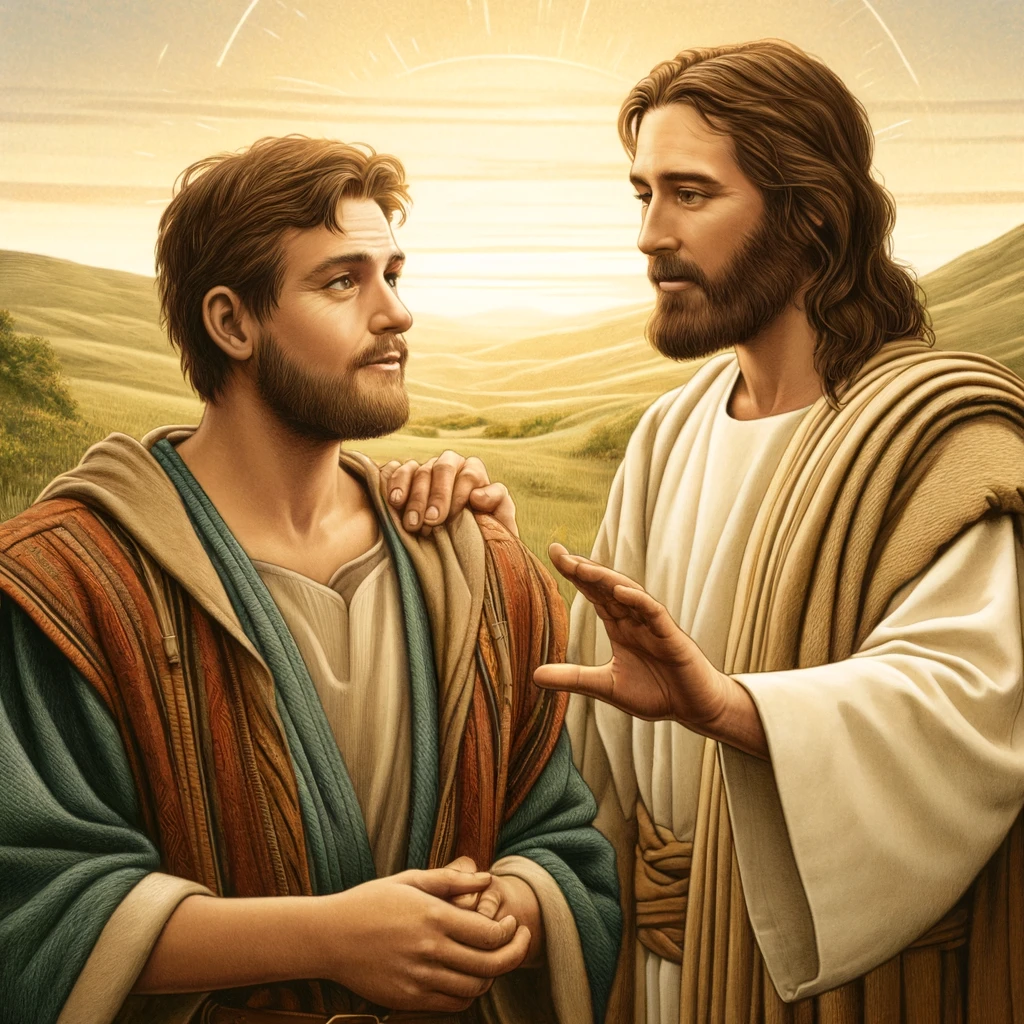
One of the most heart-wrenching moments in Peter’s story was his threefold denial of Jesus. After boldly declaring that he would never abandon Jesus, Peter found himself in a courtyard, fearful and confused, denying that he even knew his Lord (Luke 22:54-62). The rooster crowed, just as Jesus had predicted, and Peter was left weeping bitterly, filled with shame and regret.
Peter’s Threefold Denial and Jesus’ Forgiveness
Despite Peter’s failure, Jesus didn’t give up on him. After His resurrection, Jesus tenderly sought Peter out. In John 21:15-19, Jesus gave Peter the opportunity to reaffirm his love three times—one for each denial—restoring Peter to his position of leadership and love. This moment between Peter and Jesus is a powerful reminder that failure doesn’t disqualify us from God’s grace or His plans for our lives. Jesus doesn’t cast us aside when we fall; instead, He invites us back into relationship, offering forgiveness and restoration.
Dealing with Personal Failures and Accepting God’s Grace
We all have our moments of failure—times when we fall short of our calling or let fear dictate our actions. Peter’s story shows us that failure isn’t the end of the story. God’s grace is greater than our worst mistakes, and His love is always available to restore us. Like Peter, we must learn to accept that grace, forgive ourselves, and step back into the purpose God has for us. It’s not easy, but the path of restoration begins with accepting that God’s grace is enough to cover even our deepest regrets.
The Power of Restoration and Second Chances in Our Spiritual Journey
Peter’s restoration teaches us that God is a God of second chances. No matter how far we’ve fallen, God’s hand is always extended to lift us back up. We don’t have to live in the shadow of our failures or shame. Through Jesus, we can be restored, renewed, and empowered to continue our journey with even greater strength. Just as Peter went from denial to becoming a bold witness for Christ, we, too, can experience transformation through God’s grace and restoration.
Pentecost and Beyond: Empowered for a New Mission
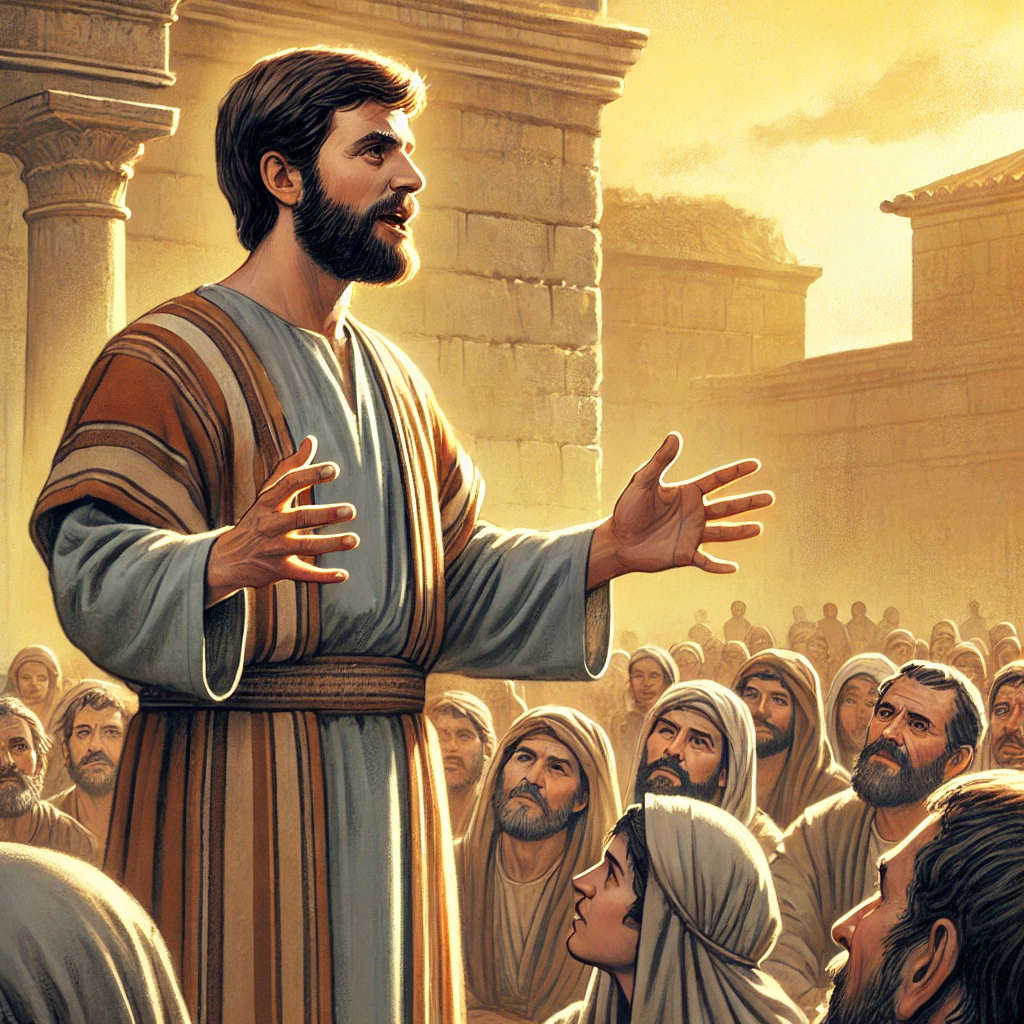
Peter’s transformation didn’t end with his restoration—it was only the beginning. On the day of Pentecost, Peter experienced the outpouring of the Holy Spirit in a way that changed him forever. The same man who had once cowered in fear became a bold preacher, proclaiming the Gospel to thousands (Acts 2:14-41). Through the power of the Holy Spirit, Peter was empowered to step into his new mission as a leader in the early church.
The Transformation of Peter Through the Holy Spirit at Pentecost
At Pentecost, Peter’s fear was replaced with courage, and his uncertainty with conviction. The Holy Spirit filled him with power, equipping him to preach the message of Jesus with boldness and clarity. Acts 2:41 tells us that about 3,000 people were added to the faith that day because of Peter’s powerful message. This transformation shows us the incredible potential we have when we are filled with the Holy Spirit. Peter’s boldness didn’t come from his own strength; it came from God working through him.
Discovering Our Spiritual Gifts and Using Them for God’s Kingdom
Just as Peter discovered his gifts and calling, we, too, are empowered by the Holy Spirit to fulfill our unique mission in God’s kingdom. Each of us has been given gifts—whether it’s preaching, teaching, serving, or encouraging—that can make a difference in the world around us. Our spiritual gifts aren’t just for our personal growth; they’re tools God gives us to bless others and build up His church. Like Peter, we need to seek the Holy Spirit’s guidance to discover and use our gifts for God’s glory.
The Importance of Community in Our Faith Journey
Pentecost wasn’t just a personal experience for Peter—it was a communal one. The early church was formed in that moment, and the believers became a tightly-knit community of faith. As Christians, we aren’t meant to journey alone. We need each other for support, encouragement, and accountability. The power of community is seen in how the early church cared for one another, shared their resources, and grew together in faith. Peter’s leadership flourished within this community, and it serves as a reminder that we are called to walk alongside others as we live out our faith.
Peter’s story reminds us that with the Holy Spirit’s empowerment, we are capable of far more than we could ever imagine. Whether we’re speaking to thousands or encouraging a friend, our mission is to share God’s love and grace with the world around us, trusting that the same Spirit that transformed Peter is at work in us today.
Miracles and Ministry: Stepping Into Your Calling
Peter’s life after Pentecost was marked by extraordinary miracles and bold preaching that showcased the power of a life transformed by faith. From healing the sick to raising the dead, Peter fully stepped into the calling God had placed on his life, allowing the Holy Spirit to work through him in remarkable ways.
Peter’s Healing Miracles and Bold Preaching
In Acts 3, we read about Peter healing a man who had been lame from birth. With the simple words, “In the name of Jesus Christ of Nazareth, walk,” Peter demonstrated the power of faith and the authority given to him by Jesus (Acts 3:6). This miracle led to a powerful sermon, where Peter boldly proclaimed the Gospel and called people to repentance. His ministry was characterized by a fearless commitment to sharing the Good News, even in the face of persecution and danger.
Finding Courage to Use Our God-Given Abilities
Peter’s example reminds us that God has given each of us unique gifts and abilities, but we must be willing to step out in faith and use them. Whether it’s the gift of teaching, hospitality, encouragement, or healing, we all have a role to play in God’s kingdom. Peter didn’t rely on his own strength; he relied on the power of God working through him. Similarly, we don’t have to have it all together to be used by God—we just need to be willing and obedient.
The Impact of a Transformed Life on Those Around Us
Peter’s transformation had a ripple effect on everyone around him. His life became a testimony of God’s grace, power, and faithfulness. Those who witnessed his bold preaching and miraculous works were drawn closer to God. Our lives can have the same impact when we allow God to work through us. When we live out our faith authentically and courageously, we inspire others to seek God and discover their own purpose in Him. Peter’s story reminds us that one transformed life can transform countless others.
Breaking Cultural Barriers: Expanding Our Vision of God’s Kingdom
One of the most significant moments in Peter’s ministry was his vision that led him to minister to the Gentiles. For a Jewish man in Peter’s time, this was a radical departure from tradition. Yet, through this experience, Peter learned that God’s love and salvation are for everyone, regardless of cultural background.
Peter’s Vision and Ministry to the Gentiles
In Acts 10, Peter receives a vision of a sheet descending from heaven, filled with all kinds of animals, clean and unclean. God tells him, “Do not call anything impure that God has made clean” (Acts 10:15). This vision was a turning point, as it led Peter to share the Gospel with Cornelius, a Gentile. Peter’s obedience to this vision broke down cultural barriers and opened the door for the inclusion of Gentiles into the Christian faith. It was a powerful reminder that God’s kingdom transcends cultural and ethnic boundaries.
Overcoming Prejudices and Embracing God’s Inclusive Love
Peter’s journey teaches us that we all have prejudices and biases that can limit our vision of God’s kingdom. But just as Peter had to overcome his own cultural assumptions, we, too, are called to embrace God’s inclusive love. The Gospel isn’t just for people who look, think, or live like us—it’s for everyone. Peter’s willingness to step out of his comfort zone and minister to the Gentiles challenges us to examine our own hearts and attitudes. Are we willing to go where God sends us, even if it challenges our deeply held beliefs?
Recognizing and Challenging Our Own Cultural Blind Spots
Peter’s experience with Cornelius shows that even the most faithful followers of Christ can have cultural blind spots. It’s easy to overlook the ways in which our culture, traditions, or personal preferences can hinder us from fully embracing the diversity of God’s kingdom. Peter’s story reminds us that we must constantly be open to God’s leading, even when it pushes us beyond our comfort zones. Whether it’s reaching out to people from different backgrounds or challenging our own assumptions, we are called to be agents of reconciliation and unity in a divided world.
Peter’s vision wasn’t just about one man or one moment—it was about expanding the church’s understanding of God’s heart for all people. His obedience to God’s call opened the door for the Gospel to reach the Gentiles and, ultimately, the world. Today, we are invited to follow Peter’s example by breaking down cultural barriers and embracing the fullness of God’s inclusive love.
Leadership and Legacy: Nurturing the Next Generation
Peter’s role in the early church exemplifies the power of a transformed life dedicated to nurturing and leading others. As one of the primary leaders of the early Christian movement, Peter’s influence stretched far beyond his own lifetime. His leadership and mentoring of others helped establish a strong foundation for the church that still endures today.
Peter’s Role in the Early Church and Mentoring of Others
As a prominent leader among the apostles, Peter took on the responsibility of guiding the early Christian community through its formative years. He preached boldly, led crucial discussions about faith and doctrine, and provided guidance for how believers should live out their faith in daily life. One of Peter’s greatest legacies was his willingness to mentor others, like the apostle Paul, and guide them in their own ministries. This passing of the torch helped ensure that the faith would continue to grow and flourish long after Peter’s time.
The Importance of Discipleship and Passing on Our Faith
Peter’s life demonstrates the significance of discipleship, both in receiving and giving guidance. As Jesus discipled Peter, so Peter in turn discipled others, teaching them what it meant to follow Christ and spread the Gospel. Discipleship isn’t about holding onto our faith for ourselves; it’s about passing it on, investing in the next generation, and helping others discover their own calling in Christ. The church thrives when each generation takes up the mantle of leadership and continues to mentor those who come after them.
Leaving a Lasting Impact Through Our Transformed Lives
Peter’s transformation from a simple fisherman to a bold leader of the faith shows us that a life surrendered to God has the potential to make an enduring impact. Peter’s legacy wasn’t built on his own abilities but on his willingness to follow Jesus and be transformed by the Holy Spirit. As Christians, we are called to leave behind a legacy of faith, love, and service that will inspire and guide future generations. Whether it’s through mentoring, teaching, or simply living out our faith with integrity, our lives can leave an imprint on the world for years to come.
Peter’s story reminds us that leadership isn’t just about power or influence; it’s about nurturing others, passing on wisdom, and building up the next generation of believers. In the same way Peter poured into the lives of others, we are called to invest in those around us, ensuring that the faith continues to grow and thrive long after we’re gone.
Conclusion
Wow, what a journey we’ve been on with Peter! From the shores of Galilee to the streets of Jerusalem, we’ve witnessed a transformation that’s nothing short of miraculous. But here’s the kicker – Peter’s story isn’t just ancient history. It’s a living, breathing roadmap for our own spiritual growth in 2024 and beyond.
Think about it: if a regular guy like Peter can become a spiritual powerhouse, what’s stopping us? His journey reminds us that God doesn’t call the qualified; He qualifies the called. Every stumble, every doubt, every bold step of faith in Peter’s life offers us a lesson for our own walk with Christ.
So, I challenge you: where is Jesus calling you to step out of your boat today? What nets of comfort and familiarity is He asking you to leave behind? Remember, the same power that transformed Peter is available to us right now.
As we navigate the choppy waters of life in 2024, let’s take a page from Peter’s playbook. Let’s be bold in our faith, quick to repent when we fall, and always ready to cast our nets into deep waters at Jesus’ command. After all, you never know – your own ultimate transformation might be just one step of faith away.
Are you ready to become a fisher of men in your own sphere of influence? To let God turn your ordinary life into an extraordinary adventure of faith? The journey starts now. Let’s follow in Peter’s footsteps and see where Christ leads us!
Overcoming Fear with Faith: A Lesson from Moses and Peter
Just like Peter stepped out in faith when he was called to walk on water, Moses faced his own fears as he led the Israelites out of Egypt. Both men experienced moments of doubt, yet their faith ultimately guided them through some of the most challenging times in their lives. If you’re looking for more inspiration on how faith can help you overcome fear, check out our in-depth article on Moses: Overcoming Fear with Faith. You’ll discover powerful lessons from Moses’ journey that complement Peter’s story, offering you even more encouragement to step out in faith, no matter the challenges you face.
FAQ: Peter’s Ultimate Transformation: From Fisherman to Fisher of Men
1. Why is Peter’s transformation significant for Christians today? Peter’s transformation from a fisherman to a bold leader in the early church illustrates how God can use ordinary people for extraordinary purposes. His story serves as an example of personal growth, faith, and the power of grace in overcoming failures. It reminds us that God doesn’t call the qualified; He qualifies the called.
2. What does Peter’s journey teach us about responding to God’s calling? Peter’s journey highlights the importance of recognizing and responding to divine callings, even when they require us to leave our comfort zones. His willingness to follow Jesus despite uncertainties shows us how faith can lead to incredible transformation and purpose.
3. How does Peter’s denial of Jesus relate to personal failure and redemption? Peter’s denial of Jesus, followed by his restoration, demonstrates the power of grace and second chances. Even after falling short, Peter was forgiven and restored by Jesus, showing us that failure isn’t the end but can be a stepping stone toward greater spiritual growth and renewed purpose.
4. What role did Peter play in the early church? Peter played a foundational role in the early Christian church, preaching boldly, performing miracles, and mentoring other leaders like the Apostle Paul. He was instrumental in spreading the Gospel, shaping early church doctrine, and nurturing the growth of new believers.
5. How can Peter’s life inspire us to step out in faith today? Peter’s bold steps of faith, like walking on water and leading the church, encourage us to trust God in the face of uncertainty. His story reminds us that stepping out in faith can lead to miraculous outcomes and a deeper relationship with Christ.
6. What can we learn from Peter’s vision and ministry to the Gentiles? Peter’s vision of inclusion, where he realized that God’s message of salvation was for all people, teaches us the importance of overcoming cultural biases and embracing diversity within the body of Christ. His ministry reminds us to expand our vision of God’s love and to be inclusive in our faith journey.
7. How does Peter’s story encourage us to leave a spiritual legacy? Peter’s leadership in the early church and his role in mentoring others illustrate the power of discipleship and passing on faith. His life encourages us to invest in others, share our experiences, and leave a lasting spiritual legacy for future generations.
The Power of Forgiveness and Restoration in Faith
Peter’s story of denial and restoration shows us the incredible depth of God’s grace. Even in our darkest moments, we are never beyond the reach of forgiveness. If you want to dive deeper into the biblical principles of forgiveness and restoration, you might find this insightful article helpful: Thttps://www.biblestudytools.com/bible-study/topical-studies/the-healing-power-of-forgiveness.htmlhe Healing Power of Forgiveness. It explores the importance of grace and second chances in our faith journey, just as Peter experienced firsthand.