


As a Christian, I’ve come to deeply cherish the rhythm of the faith-filled calendar year. There’s something beautiful about how certain days draw us closer to the heart of God—reminding us of His promises, His sacrifice, and His unchanging love. While the world might see these occasions as traditions or public holidays, we know they hold far more significance than a date on the calendar.
Christian holidays aren’t just about rituals or events—they’re sacred reminders of God’s story woven through time. From the joyful celebration of Christmas to the solemn remembrance of Good Friday, each holiday offers an opportunity to pause, reflect, and realign our hearts with the gospel.
In this article, I want to walk with you through the most important Christian holidays—what they mean, how they’re celebrated, and why they matter so much to our faith journey. Whether you’re new to following Jesus or simply want a deeper understanding of the seasons we observe, I pray this guide encourages your heart and draws you closer to Christ.
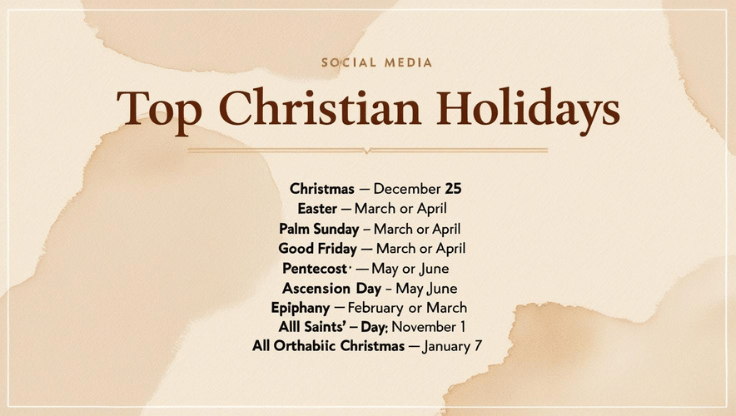
1. Christmas – Celebrating the Birth of Christ
If there’s one holiday that most people around the world recognize, it’s Christmas. But beyond the twinkling lights, gifts, and carols, Christmas is a powerful celebration of God stepping into our story—of hope born in a manger.
Christmas commemorates the birth of Jesus Christ, the promised Messiah, who came to bring salvation to a broken world. Luke 2 tells the story of Mary and Joseph, the angels announcing the birth, and shepherds kneeling in wonder at the arrival of Emmanuel—“God with us.”
For Christians, this day isn’t just about nostalgia or festivity. It’s about celebrating the radical love of a God who became flesh and dwelt among us. It’s a time to reflect on the humility of Christ’s birth and the incredible lengths God went to redeem humanity.
While many Western Christians celebrate Christmas on December 25, Orthodox Christians who follow the Julian calendar celebrate it on January 7. Despite the date differences, the heart remains the same: a celebration of the Savior who came to bring light into our darkness.
For me personally, Christmas is a time of both joy and reverence. I love decorating the tree and baking cookies with my kids—but I also take time to read the Nativity story, light Advent candles, and thank God for the miracle of Jesus’ birth.
2. Easter – The Resurrection of Jesus
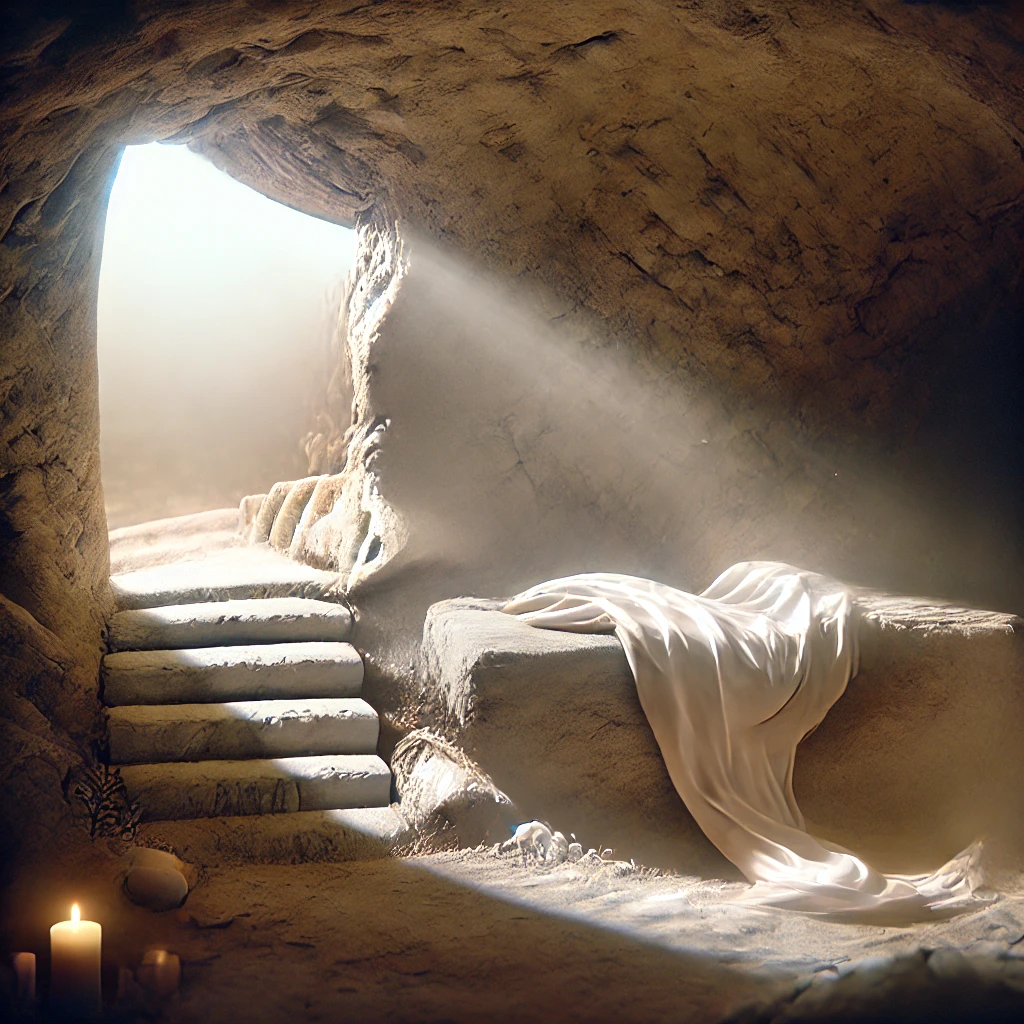
If Christmas is the celebration of Christ’s arrival, Easter is the celebration of His victory. As a believer, Easter holds a special place in my heart because it reminds me that death is not the end—and that hope is alive.
Easter commemorates the resurrection of Jesus Christ from the grave, three days after His crucifixion. This event is the foundation of our Christian faith. As Paul writes in 1 Corinthians 15:17, “If Christ has not been raised, your faith is futile.” But praise God—He has been raised!
Leading up to Easter is Holy Week, which begins with Palm Sunday (Jesus’ triumphant entry into Jerusalem), continues with Maundy Thursday (the Last Supper), Good Friday (His crucifixion), and Holy Saturday (a day of mourning and waiting). And then comes Easter Sunday—a day bursting with joy, celebration, and renewed faith.
Every year, I’m struck anew by the significance of the empty tomb. It’s not just a historical event—it’s deeply personal. It means my sins are forgiven, my past doesn’t define me, and eternal life is secured through Christ. It means Jesus conquered the grave so I don’t have to fear it.
Many churches hold sunrise services, special worship gatherings, and even baptisms on Easter Sunday. And while traditions may vary, the message remains the same: He is risen! He is risen indeed!
Orthodox Christians also celebrate Easter, often a week or two later, depending on the Julian calendar. Regardless of the date, the resurrection is the heartbeat of our faith—a divine reminder that God’s power to redeem is greater than anything we face.
3. Palm Sunday – Jesus’ Triumphal Entry
Palm Sunday is one of those days in the Christian calendar that gives me chills every time I read the story. It marks the beginning of Holy Week, and it’s a day filled with both celebration and foreshadowing.
This day commemorates Jesus’ triumphal entry into Jerusalem, riding humbly on a donkey, as crowds gathered to welcome Him by waving palm branches and shouting, “Hosanna! Blessed is He who comes in the name of the Lord!” (John 12:13). In that moment, the people saw Jesus as the coming King—the One who would deliver them.
But what they didn’t realize is that Jesus came to deliver them in a far greater way than they imagined—not from Roman rule, but from the grip of sin and death.
Palm Sunday is a beautiful reminder of who Jesus is—the humble King, the Prince of Peace, and the fulfillment of prophecy. Every year, our church hands out palm branches, and I watch the kids wave them with joy. But in my heart, it’s a bittersweet moment. I know that just days after the cheers came the cross.
Still, Palm Sunday reminds me to welcome Jesus into every part of my life—not just when it’s easy or celebratory, but also when the road leads to the cross.
4. Good Friday – Remembering Christ’s Sacrifice
Good Friday is, without a doubt, the most sobering day of the Christian year. And yet, it’s called “Good” because of what Jesus accomplished on the cross.
On this day, we remember the crucifixion of Jesus—the brutal suffering He endured and the immense love that held Him there. He was betrayed, mocked, beaten, and nailed to a cross… all for our sake. Isaiah 53:5 says it so powerfully: “He was pierced for our transgressions… by His wounds we are healed.”
It’s hard for me to put into words what Good Friday means. Every year, I spend time reading the Gospel accounts, often in tears, overwhelmed by what Jesus did for me—for all of us. It’s a day of deep reflection, repentance, and gratitude.
Many churches hold somber services, with candles extinguished and the sanctuary stripped bare. Some traditions read the last words of Jesus or share in communion with a focus on His body and blood.
Good Friday isn’t about wallowing in guilt—it’s about remembering the cost of grace. It’s about standing at the foot of the cross and realizing the depth of God’s love. Without Good Friday, there would be no Easter Sunday.
I often find myself praying, “Jesus, thank You for not turning away. Thank You for enduring the cross for me.” It’s a prayer that never gets old, and one that brings me to my knees in awe.
5. Pentecost – The Birth of the Church
Pentecost is one of those holidays that doesn’t always get the spotlight it deserves, but wow—what a powerful moment in Christian history! It marks the day the Holy Spirit was poured out on the disciples, just as Jesus had promised.
Acts 2 describes the scene so vividly: a rushing wind, tongues of fire, and people from many nations suddenly able to understand the Gospel in their own language. It was on this day that the Church was born—not as a building, but as a Spirit-empowered community of believers ready to share the Good News.
Pentecost takes place 50 days after Easter, and it’s a reminder that the resurrection wasn’t the end of the story—it was the beginning of something new. Jesus didn’t just rise and ascend; He sent the Holy Spirit so we would never be alone.
I remember the first time I truly understood what Pentecost meant. It hit me that the same Spirit who empowered Peter to preach boldly is the same Spirit living in me. It’s a day that fills me with awe, courage, and a sense of purpose.
Some churches celebrate Pentecost by wearing red to symbolize the fire of the Spirit. Others focus on mission and evangelism, reminding us that we, too, are sent out. For me, Pentecost is a fresh invitation to ask, “Holy Spirit, fill me anew. Use me for Your glory.”
6. Ascension Day – Jesus Returns to Heaven
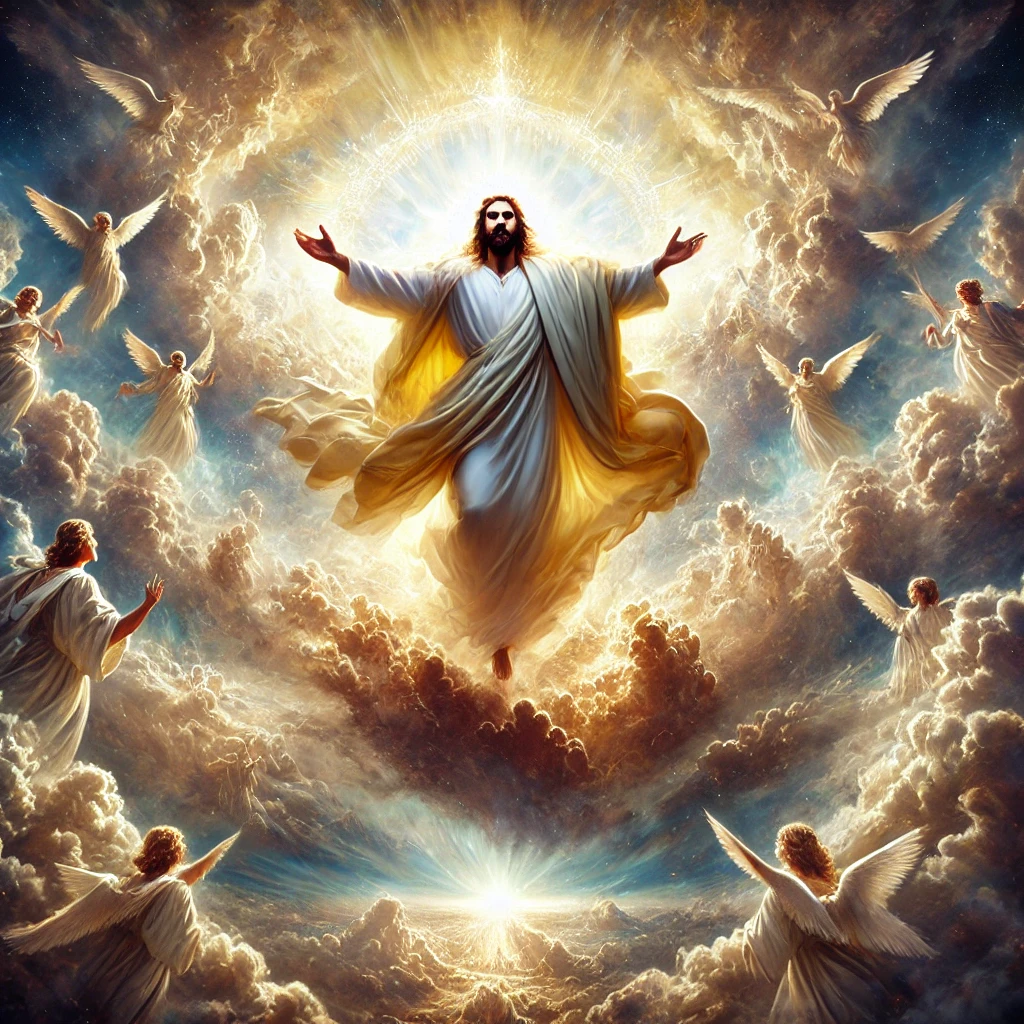
Ascension Day often flies under the radar, but it holds such rich meaning. It commemorates the moment when Jesus ascended into heaven, 40 days after His resurrection, in the presence of His disciples.
Acts 1:9 paints the scene: “He was taken up before their very eyes, and a cloud hid Him from their sight.” But before He left, Jesus gave a promise: that the Holy Spirit would come, and that we would be His witnesses “to the ends of the earth.”
The Ascension isn’t just about Jesus leaving—it’s about Jesus reigning. He didn’t vanish into the clouds to retire; He ascended to sit at the right hand of the Father, where He intercedes for us (Romans 8:34) and prepares a place for us (John 14:2).
I love reflecting on the Ascension because it reminds me that this world isn’t the end. Jesus is alive, active, and ruling in heaven. And one day, just as He ascended, He will return.
It’s a quiet yet powerful holiday. Some churches hold special services or prayer vigils. Personally, I try to take time on Ascension Day to reflect on heaven, the return of Christ, and the calling we’ve been given as His witnesses.
7. Epiphany – Recognizing Jesus as King
Epiphany is one of those beautiful, often underappreciated Christian holidays that brings the Christmas story full circle. Celebrated on January 6, Epiphany commemorates the visit of the Magi—wise men from the East who came bearing gifts for the newborn King.
Their journey, guided by a star, was more than just a physical trek—it was a spiritual recognition of who Jesus truly was: not just a baby in a manger, but the King of kings, revealed to the nations.
The word Epiphany means “manifestation” or “revealing,” and that’s exactly what this day is about—the revealing of Christ to the Gentiles. It’s a powerful reminder that Jesus didn’t just come for a specific group of people; He came for the whole world.
Growing up, I didn’t give much thought to Epiphany. But now, I see it as a deeply meaningful moment to reflect on how God reveals Himself in our lives—sometimes through unexpected people and quiet moments. The Magi didn’t arrive on Christmas night, and that reminds me that God’s timeline isn’t always ours—but His revelation is always right on time.
Some Christian traditions celebrate Epiphany with blessings, star-shaped cookies, or prayers for guidance in the year ahead. I simply take the time to ask, “Lord, show me more of who You are this year.”
8. Lent – A Season of Reflection and Repentance
Lent is probably one of the most spiritually stretching times of the year for me. It’s a 40-day season of reflection, repentance, and preparation leading up to Easter, beginning with Ash Wednesday and ending the night before Resurrection Sunday.
During Lent, many believers fast from certain foods, habits, or distractions—not as a way to earn favor with God, but to create space in our hearts for Him to move. It mirrors the 40 days Jesus spent fasting in the wilderness, resisting temptation and preparing for His public ministry.
Every year, I try to give up something that has crept too far into my daily life—whether it’s social media, sugar, or just mindless distractions. And every year, I find that the real gift of Lent isn’t in what I give up—it’s in what I gain: clarity, stillness, deeper intimacy with Jesus.
Lent isn’t just about sacrifice—it’s about surrender. It’s a chance to slow down, examine our hearts, and walk more closely with Jesus toward the cross.
Many churches hold weekly Lenten services or devotionals. Others create prayer challenges or reading plans. Whether simple or structured, the goal is the same: to journey with Christ in humility and hope.
9. All Saints’ Day – Honoring the Faithful
All Saints’ Day, celebrated on November 1, is a deeply meaningful holiday that honors all believers who have gone before us—especially those who lived lives of great faith and sacrifice. While many associate it with more formal church traditions, it’s actually a beautiful moment to remember the great cloud of witnesses (Hebrews 12:1) cheering us on from heaven.
This day reminds me that we’re not walking this Christian journey alone. We are part of something so much bigger—a global, eternal family that stretches across time and space. I often take time on All Saints’ Day to reflect on people who shaped my faith: my late grandmother who prayed for me daily, the pastors who led with humility, and the countless believers whose stories inspire me.
Some churches read the names of those who have passed away in the past year. Others light candles or hold moments of silence. However it’s observed, All Saints’ Day connects us to the legacy of faith we’re now part of.
It’s not about idolizing people—it’s about honoring lives that pointed to Jesus. And it reminds me that what I do with my time on earth matters. One day, I hope someone will look back and say, “Her life helped me follow Christ more deeply.”
10. Orthodox Christian Holidays – A Different Calendar
One thing many people don’t realize is that Orthodox Christians follow a different liturgical calendar, known as the Julian calendar, which causes many of their holidays to fall on different dates than those celebrated in Western Christianity.
For example, while most of us celebrate Christmas on December 25, Orthodox Christians celebrate it on January 7. Likewise, Orthodox Easter (also called Pascha) often falls on a different Sunday than Western Easter, sometimes weeks apart.
But even though the dates differ, the heart of the celebration is the same: the life, death, and resurrection of Jesus Christ.
I find it fascinating and beautiful that across different traditions and calendars, the same Savior is honored with deep devotion and reverence. Orthodox celebrations are rich with symbolism—icons, incense, chanting, and processions that immerse worshippers in sacred tradition.
Learning about these holidays has reminded me that the Christian faith is wonderfully diverse and yet united in what matters most: Jesus is Lord.
If you’ve never experienced an Orthodox Easter service, I encourage you to attend one. The joy, the reverence, the midnight celebration of Christ’s resurrection—it’s unforgettable.
Conclusion: Embracing the Meaning Behind Christian Holidays
As I reflect on these powerful Christian holidays, I’m reminded that they are far more than just traditions or calendar events. Each one tells a part of God’s story—a story of hope, redemption, sacrifice, and eternal life. From the joy of Christmas to the silence of Good Friday, and the fire of Pentecost to the remembrance of All Saints’ Day, these moments give rhythm and richness to our walk with Jesus.
Whether you’re new to the faith or a lifelong believer, I encourage you to not just observe these holidays—but to live them out. Take time to reflect on their meaning, teach them to your children, and let them anchor your soul throughout the year.
Every Christian holiday is an invitation—a reminder that God is with us, God is for us, and God is not finished with us.
Frequently Asked Questions About Christian Holidays
What are the most important Christian holidays?
The most important Christian holidays include Christmas, Easter, Good Friday, Palm Sunday, Pentecost, and Ascension Day. Each marks a key moment in the life, death, and resurrection of Jesus Christ and carries deep theological meaning for believers.
What is the meaning behind Christian holidays?
Christian holidays are more than cultural observances—they are sacred commemorations of God’s redemptive work throughout history. Each holiday invites us to remember and respond to what God has done through Jesus.
Why do Orthodox Christian holidays fall on different dates?
Orthodox Christians follow the Julian calendar, which is currently 13 days behind the Gregorian calendar used by most of the Western world. This results in dates like Christmas on January 7 and Easter often falling later than Western Easter.
Are all Christian holidays found in the Bible?
While the events behind most holidays (like Easter and Pentecost) are directly found in Scripture, the formal observance of many holidays developed later as the early church began to structure the liturgical calendar. Holidays like All Saints’ Day are based on Christian tradition rather than a specific biblical command.
How can I celebrate Christian holidays more meaningfully?
You can deepen your observance by:
- Reading related Scripture passages
- Participating in church services and traditions
- Reflecting through prayer, fasting, or journaling
- Teaching your family about the spiritual significance
- Choosing to live out the message behind each holiday in your daily life
If this article blessed you, you might also enjoy How to Pray: A Christian’s Step-by-Step Prayer Guide, which helps believers grow in prayer throughout every season.
If you’d like a deeper devotional experience for each Christian holiday, I highly recommend the book Celebrating the Christian Year by Martha Zimmerman. It beautifully walks through each season—from Advent to Pentecost—with practical ideas, prayers, and Scripture reflections that have truly enriched my faith.

