


Have you been searching for a way to deepen your faith and connect with others in meaningful fellowship? Starting a Bible study group is one of the most powerful ways to grow spiritually while helping others do the same. Whether you’re gathering in person or online, a Bible study group creates an opportunity to explore Scripture, share insights, and encourage one another in your walk with Christ.
I still remember the first time I felt called to start a Bible study group. I had so many questions: Where do I begin? Who do I invite? What if no one shows up? Through prayer and a simple plan, I was able to create a space where faith flourished, and lifelong friendships were formed.
If you’ve ever wondered how to start your own Bible study group, this guide is for you. Step by step, I’ll show you how to lay the groundwork for a group that honors God, builds community, and transforms lives.
Step 1: Pray and Seek God’s Guidance

Before you take any practical steps, start with prayer. Inviting God to guide your Bible study group ensures that its foundation is rooted in faith and purpose. As you seek His direction, you’ll gain clarity on how to proceed.
Why Prayer is Essential When Starting a Bible Study Group
Prayer helps align your intentions with God’s will. It’s not just about forming a group—it’s about creating a space where Christ is at the center. By praying, you invite the Holy Spirit to lead and inspire every aspect of your planning.
Practical Ways to Pray for Your Group
- Set aside intentional prayer time: Dedicate specific moments to pray about the group, asking for wisdom and clarity.
- Use Scripture as a guide: Meditate on passages like James 1:5 (“If any of you lacks wisdom, you should ask God…”) or Matthew 18:20 (“For where two or three gather in my name, there am I with them.”).
- Pray for specific aspects of your group: Ask for guidance on who to invite, what topics to study, and how to lead effectively.
What to Ask God for in Prayer
- Direction: What is the purpose of this group? What Scriptures or themes should we focus on?
- Participants: Who should I invite to join this Bible study group?
- Spiritual strength: Help me to lead with humility and rely on Your guidance.
By starting your journey with prayer, you’re creating a foundation that honors God and aligns with His purpose. This first step is not just about planning—it’s about partnering with God every step of the way.
Step 2: Define Your Bible Study Group’s Vision
Every successful Bible study group starts with a clear vision. What is the purpose of your group? Are you aiming to deepen understanding of specific books of the Bible, foster fellowship among believers, or address life applications of Scripture? Defining your vision will set the tone and focus for your group, ensuring that everyone is aligned from the start.
Questions to Help Define Your Vision
- What is the primary goal? Are you looking to grow in discipleship, encourage one another, or dive deep into theological study?
- Who is your target audience? Consider whether your group is open to everyone or tailored to specific people, like young adults, parents, or new believers.
- What study format will you follow? Will you focus on book studies, thematic topics (e.g., forgiveness, faith), or a mix of both?
Examples of Bible Study Group Visions
- “A group dedicated to studying the Gospels and applying Christ’s teachings to daily life.”
- “A space for young mothers to gather, support one another, and grow in faith through God’s Word.”
- “A fellowship group focused on in-depth Scripture analysis and prayer.”
Once your vision is clear, it will be easier to attract like-minded members and ensure your group stays focused and effective.
Step 3: Choose the Best Format for Your Bible Study Group

The format of your Bible study group will significantly impact how members connect and engage with one another. Consider what works best for your audience, schedule, and meeting space.
In-Person vs. Online Bible Study Groups
- In-Person Groups: Ideal for building deeper relationships and fostering a sense of community. Suggested meeting places include homes, church halls, or coffee shops.
- Online Groups: Perfect for those who can’t meet in person due to distance or time constraints. Platforms like Zoom, Google Meet, or Facebook Groups make it easy to connect virtually.
Group Size and Frequency
- Small Groups (5-10 people): Encourage intimate discussions and personalized connections.
- Larger Groups (10+ people): Allow for diverse perspectives but may require more structure.
- Frequency: Decide whether to meet weekly, biweekly, or monthly. Consistency is key for group success.
Sample Bible Study Formats
- Structured Study: Focus on a pre-selected book of the Bible or a devotional guide.
- Discussion-Based: Open discussions around Scripture readings, encouraging members to share personal insights.
- Topical Studies: Explore themes like prayer, faith, or forgiveness using related Bible passages.
Choosing the right format sets the tone for your group, ensuring it meets the needs of its members and fosters a meaningful connection to God’s Word.
Step 4: Recruit Members for Your Bible Study Group
Once you’ve prayed and defined your vision, it’s time to invite others to join your Bible study group. The people you bring together will shape the dynamics of your group, so be intentional about your invitations.
Where to Find Potential Members
- Church Community: Announce your group during church services or post on the church bulletin board.
- Friends and Family: Personally invite people in your circle who may be interested in growing spiritually.
- Social Media: Use platforms like Facebook, Instagram, or WhatsApp to spread the word. Create a post that highlights your group’s purpose and meeting details.
- Community Spaces: Share flyers at local coffee shops, libraries, or community centers.
How to Extend Invitations
- Be clear about the group’s vision, meeting format, and expectations.
- Use inviting and encouraging language. For example:
“I’m starting a small Bible study group to explore God’s Word together. We’ll meet weekly, and I’d love for you to join us!” - Follow up with those who express interest to answer any questions and confirm their participation.
Pro Tip: Start Small
Even a group of 3-5 people is enough to create meaningful discussions and grow in faith. Focus on quality connections rather than quantity.
Step 5: Select the Right Study Material for Your Group
Choosing the right study material is crucial for keeping your Bible study group focused and engaged. The material should align with your group’s vision and be accessible for all members, regardless of their level of biblical knowledge.
Types of Bible Study Materials
- Book of the Bible Studies: Focus on specific books, like Psalms, Romans, or John, for in-depth exploration.
- Thematic Studies: Explore topics like forgiveness, faith, or prayer with relevant passages.
- Devotional Guides: Use pre-written devotionals to guide discussions and reflections.
- Free Online Resources: Websites like BibleGateway or YouVersion offer excellent study plans.
Recommended Resources
- “Experiencing God” by Henry Blackaby: Great for groups focused on spiritual growth and discernment.
- “Women of the Word” by Jen Wilkin: Perfect for deepening biblical literacy (great for women’s groups).
- The Bible Project’s Study Plans: Free, video-based studies covering themes and books of the Bible.
Tips for Choosing Bible Study Material
- Match the material to the group’s spiritual maturity and goals.
- Ensure it’s accessible (in cost and format) for all members.
- Include both Scripture readings and discussion questions to foster engagement.
Selecting the right material helps guide the group toward meaningful discussions, ensuring everyone grows in their understanding of God’s Word.
Step 6: Prepare for Your First Bible Study Meeting
Your first meeting sets the tone for the entire group, so it’s important to plan ahead. A welcoming, organized, and prayer-filled gathering will help everyone feel comfortable and excited to continue.
What to Include in Your First Meeting
- Welcome and Introductions: Begin with a warm welcome and give everyone a chance to introduce themselves. Share your group’s vision and goals so members know what to expect.
- Opening Prayer: Start with a prayer to invite God’s presence and bless your time together.
- Icebreaker Activity: Use a simple question like, “What’s one Bible verse that has impacted your life?” to get people talking.
- Discuss the Study Plan: Walk through the material or structure you’ve chosen, and explain how meetings will be organized (e.g., reading Scripture, discussion, prayer).
- Closing Prayer: End with a prayer of gratitude and encouragement, asking for God’s guidance as the group continues.
Pro Tips for a Smooth First Meeting
- Set clear expectations for time management. Keep the meeting within the planned timeframe.
- Provide handouts or send links to study materials ahead of time.
- Keep it light and focused—don’t try to cover too much in the first session.
The goal of the first meeting is to build trust and excitement. A strong start will encourage members to return and fully engage in future gatherings.
Step 7: Foster Engagement and Active Participation

For your Bible study group to thrive, it’s essential to create an environment where everyone feels encouraged to participate. Active engagement deepens learning, strengthens bonds, and ensures the group grows together in faith.
Ways to Encourage Engagement
- Rotate Leadership Roles: Allow members to take turns leading discussions or reading Scripture. This helps everyone feel invested and valued.
- Ask Open-Ended Questions: For example, “What does this passage reveal about God’s character?” or “How can we apply this Scripture to our lives today?”
- Encourage Personal Reflections: Create a safe space for members to share how Scripture impacts their lives. Remind them that there are no “wrong” insights.
- Use Visuals or Media: Incorporate videos, diagrams, or study tools to make discussions more dynamic and engaging.
Overcoming Engagement Challenges
- Quiet Members: Gently invite quieter members to share by asking specific questions like, “What do you think about this verse?”
- Dominant Voices: Politely redirect the conversation to ensure everyone has a chance to speak. For example: “Let’s hear from someone who hasn’t shared yet.”
- Off-Topic Tangents: Bring the focus back by saying something like, “That’s a great thought—let’s circle back to the passage we’re studying.”
By fostering active participation, you’ll ensure that every member feels included, valued, and motivated to grow in their understanding of God’s Word.
Step 8: Overcome Common Challenges in Bible Study Groups
Even the most well-organized Bible study groups face challenges. Whether it’s scheduling conflicts or differing opinions on Scripture, being prepared for potential obstacles will help your group thrive.
Common Challenges and How to Address Them
- Scheduling Conflicts:
- The Problem: Members struggle to attend consistently due to busy schedules.
- The Solution: Choose a consistent day and time that works for the majority. Consider recording online sessions or sharing summaries for those who miss meetings.
- Differing Opinions on Scripture:
- The Problem: Members interpret passages differently, leading to disagreements.
- The Solution: Encourage respectful discussion and remind everyone that Scripture often invites reflection and dialogue. Focus on what unites your group—faith and the desire to grow spiritually.
- Lack of Commitment:
- The Problem: Members start strong but lose interest over time.
- The Solution: Keep meetings engaging and relevant. Rotate roles to keep members involved and motivated. Celebrate small milestones, like completing a book study.
- Dominating Personalities:
- The Problem: One or two members dominate discussions, leaving others feeling unheard.
- The Solution: Set guidelines for sharing and encourage balanced participation. For example, use a “pass the question” approach where each person takes turns responding.
By proactively addressing these challenges, you’ll create a positive and productive environment where everyone feels welcome and valued.
Step 9: Build Long-Term Impact and Growth
A successful Bible study group doesn’t just meet regularly—it creates lasting spiritual growth and community. To ensure your group continues to flourish, think beyond the initial meetings and plan for long-term impact.
Strategies for Building Long-Term Success
- Rotate Leadership Roles: Encourage members to take turns leading sessions. This builds confidence, strengthens bonds, and ensures fresh perspectives in every meeting.
- Introduce New Themes or Studies: Keep the group engaged by rotating study materials or exploring new themes. For example, after completing a book study, shift to a topical study on faith or prayer.
- Encourage Outreach and Service: Take your group beyond study by participating in service projects or outreach programs together. This creates opportunities to live out your faith as a group.
- Expand Your Group: As your group grows, consider splitting into smaller groups or inviting new members. This allows others to experience the blessing of Bible study.
Share Stories of Impact
Celebrate how the group has positively impacted members’ lives. This can include personal testimonies, answered prayers, or spiritual breakthroughs. Sharing these stories inspires members and encourages continued participation.
By focusing on long-term growth, your Bible study group can become a vibrant, faith-filled community that makes a lasting impact.
Conclusion: Start Your Bible Study Group Today
Starting a Bible study group might feel like a big step, but with prayer, planning, and a heart focused on God, it can become a powerful tool for spiritual growth and connection. Whether you’re meeting in person or online, your group has the potential to deepen relationships, provide encouragement, and bring people closer to God’s Word.
Remember, it’s not about perfection—it’s about creating a space where faith can flourish and lives can be transformed. So take that first step, and trust that God will guide you along the way. You’re not just starting a group; you’re building a community rooted in Christ. Let this guide be your foundation, and watch how God works through your efforts.
FAQ: Common Questions About Starting a Bible Study Group
1. How do I start a Bible study group at my church?
To start a Bible study group at your church, begin by praying for guidance and defining your group’s purpose. Speak with church leadership to get approval and discuss available resources like meeting spaces or study materials. Then, invite members from the congregation through announcements, flyers, or personal invitations. Use this guide to plan your first meeting and establish a consistent schedule.
2. What is the ideal size for a Bible study group?
The ideal size for a Bible study group is between 5-12 members. Smaller groups encourage intimate discussions and allow everyone to participate, while larger groups can bring diverse perspectives but may require more structure. Focus on what works best for your group’s goals and dynamics.
3. Can I lead a Bible study group without formal training?
Yes, you can! Leading a Bible study group doesn’t require formal training, just a heart for God and a willingness to learn. Use resources like devotionals, study guides, or free online tools to help prepare for each session. Pray for wisdom and lean on the Holy Spirit for guidance.
4. What materials should I use for my Bible study group?
The materials you use depend on your group’s focus. Options include:
- Specific books of the Bible (e.g., John, Philippians).
- Thematic studies (e.g., forgiveness, prayer, faith).
- Devotional guides or online plans from resources like BibleGateway or YouVersion. Choose materials that align with your group’s vision and are accessible to all members.
5. How do I keep members engaged in my Bible study group?
To keep members engaged:
- Rotate leadership roles to give everyone a chance to participate.
- Encourage open and respectful discussions.
- Use multimedia tools like videos or study apps for variety.
- Regularly introduce new themes or study materials to keep sessions fresh and relevant.
6. Can I start a Bible study group online?
Absolutely! Online Bible study groups are a great option for those who can’t meet in person. Use platforms like Zoom, Google Meet, or Facebook Groups to host virtual meetings. Ensure you provide digital access to study materials and keep sessions interactive with open discussions and screen-sharing tools.
Free Resources for Your Bible Study Group
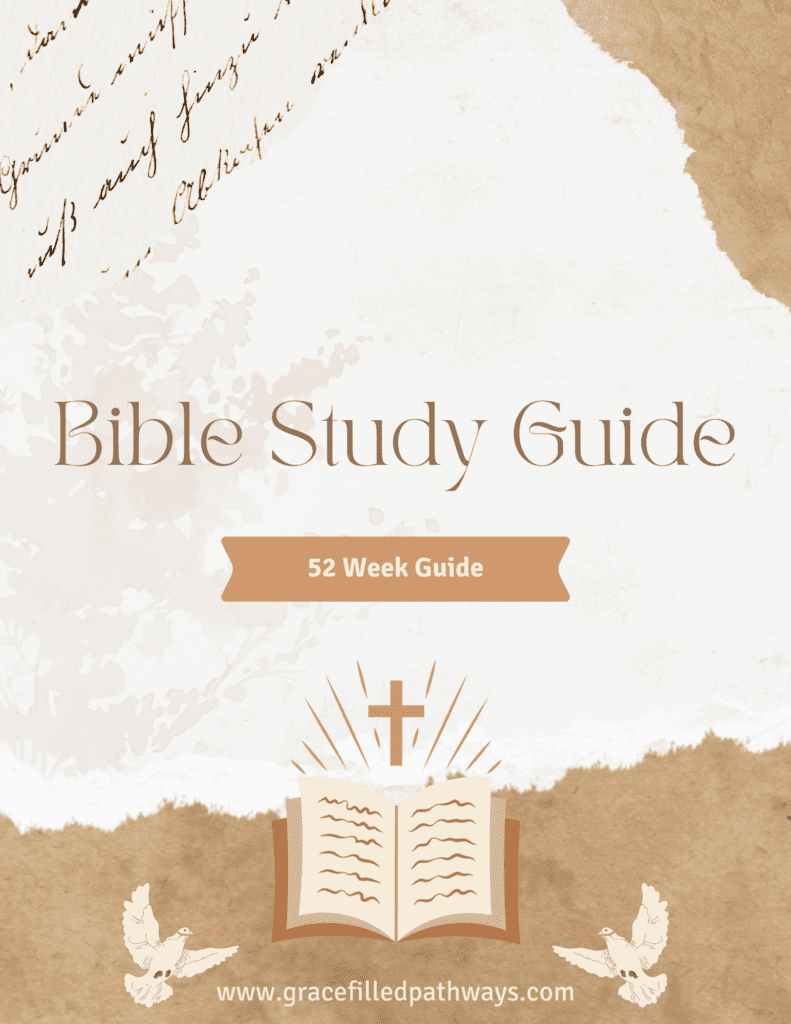
Did you know we offer free resources to help you get started with your Bible study group? Visit our Free Resources Page to download your free 52-week Bible study guide. This guide provides weekly Scripture readings, thoughtful prompts, and space for reflection—perfect for keeping your group engaged and organized.
Equip your group with tools that inspire deeper connections to God’s Word. Don’t miss out—download it today!
Visit Christianbook.com for all your Christian Books and Gifts