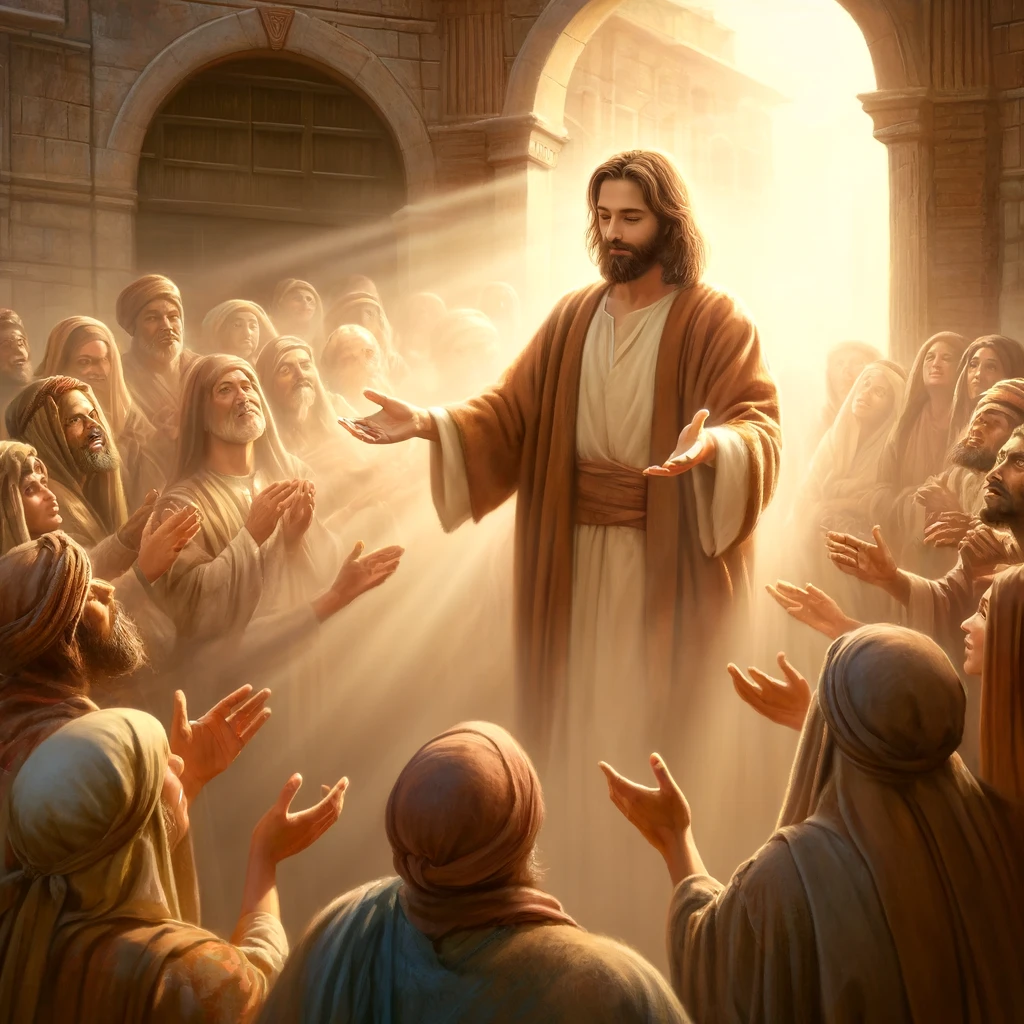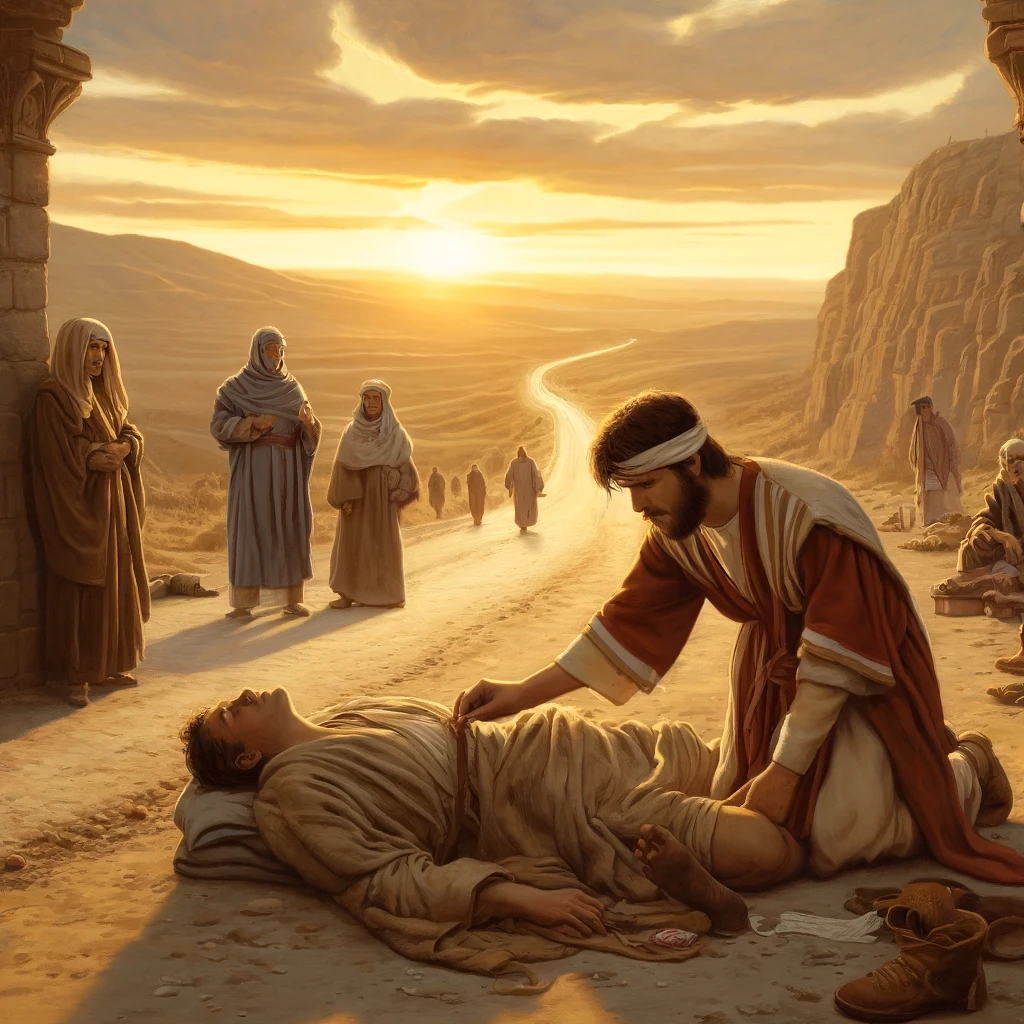


Did you know that the words of Jesus Christ are among the most widely quoted and influential in human history? Even in our fast-paced, technology-driven 2024, the simple yet profound teachings of this remarkable figure from 2,000 years ago continue to captivate and challenge us. From parables about the Kingdom of God to profound insights on love and forgiveness, Jesus’ words have the power to pierce through the noise of our daily lives and touch the very core of our being. So, get ready to have your mind blown, because we’re about to dive into 25 of the most powerful and famous quotes by Jesus that will leave you inspired, convicted, and hungry for more. Buckle up, and get ready to see the world through the eyes of the ultimate Storyteller and Sage.
1. “Love your enemies and pray for those who persecute you.” (Matthew 5:44)
Exploring the radical call to love despite opposition
Jesus’ command to love our enemies and pray for those who persecute us is one of His most challenging teachings. In a world where retaliation often seems justified, this radical call flips our natural instincts on their head. It’s a directive that goes beyond mere tolerance, urging us to actively seek the good of those who may wish us harm. This kind of love requires us to see others through God’s eyes, recognizing their inherent worth and the potential for transformation.
Applying this principle in personal relationships and societal conflicts
In our personal lives, this teaching can be incredibly difficult to apply. It means forgiving those who have wronged us, offering kindness in return for hostility, and choosing peace over conflict. On a broader scale, applying this principle in societal conflicts can lead to groundbreaking change, promoting reconciliation over revenge, and fostering unity in place of division.
The transformative power of compassion in a divided world
The power of this teaching lies in its ability to transform hearts and minds. Compassion has the potential to break down barriers, heal wounds, and bring about peace in a world that is often divided by hatred and fear. By loving our enemies, we participate in God’s redemptive work in the world, becoming instruments of His grace and peace.
2. “Do not worry about tomorrow, for tomorrow will worry about itself.” (Matthew 6:34)

Addressing the epidemic of anxiety and stress in modern life
In today’s fast-paced world, anxiety and stress have become common companions. Worry about the future often robs us of the joy and peace that God desires for us. Jesus’ words remind us that while it’s natural to be concerned about what lies ahead, we shouldn’t allow those concerns to dominate our lives. His teaching encourages us to trust in God’s provision and focus on the present moment.
Learning to live in the present moment and trust in divine provision
Jesus invites us to live in the present, trusting that God will take care of tomorrow. This doesn’t mean neglecting our responsibilities or planning for the future, but rather, it calls us to place our trust in God’s faithfulness. By doing so, we can experience a peace that transcends our circumstances, knowing that our Heavenly Father knows our needs and will provide.
Practical tips for cultivating peace of mind amidst uncertainty
To cultivate peace of mind, consider incorporating practices such as prayer, meditation on Scripture, and gratitude journaling into your daily routine. These habits can help refocus your mind on God’s promises rather than on the uncertainties of the future. Additionally, setting boundaries on how much time you spend dwelling on potential problems can free you to enjoy the present and trust in God’s care.
3. “Blessed are the poor in spirit, for theirs is the kingdom of heaven.” (Matthew 5:3)
Redefining the concept of “blessedness” beyond material wealth
In a world that often equates blessings with material wealth and success, Jesus’ statement about the poor in spirit offers a countercultural perspective. Being “poor in spirit” refers to recognizing our spiritual poverty and our need for God. It’s an acknowledgment that, apart from Him, we are spiritually bankrupt.
Recognizing the spiritual poverty that opens us to God’s transforming grace
When we recognize our need for God, we become open to His grace. This spiritual poverty leads us to a deeper reliance on God and a greater understanding of our place in His kingdom. It’s in this state of humility and dependence that we find true blessedness, not in our achievements or possessions, but in our relationship with God.
Lessons on humility, dependence, and the upside-down nature of God’s kingdom
Jesus’ teaching on the poor in spirit highlights the upside-down nature of God’s kingdom, where the last are first and the least are the greatest. It challenges us to embrace humility, to depend on God rather than ourselves, and to find our true worth in Him. This perspective shifts our focus from worldly success to spiritual depth and fulfillment.
4. “Ask and it will be given to you; seek and you will find; knock and the door will be opened to you.” (Matthew 7:7)
Encouragement to boldly approach God with our deepest needs and desires
Jesus’ invitation to ask, seek, and knock is an encouragement to approach God with boldness and confidence. It reflects God’s openness to hear our prayers and His willingness to respond to our needs. This verse reassures us that God is attentive to our petitions and that He delights in giving good gifts to His children.
The importance of persistent prayer and unwavering faith
This passage also emphasizes the importance of persistence in prayer. It encourages us not to give up, even when answers are delayed. Jesus teaches that our persistence is a demonstration of our faith and trust in God’s goodness. It’s a reminder that sometimes, the process of asking, seeking, and knocking is as important as the answer itself.
Insights on God’s generosity and the power of spiritual seeking
Jesus assures us that when we seek God with sincerity and persistence, we will find Him. This promise highlights God’s generosity and the transformative power of spiritual seeking. It encourages us to pursue a deeper relationship with God, trusting that He will reveal Himself and provide for our needs in His perfect timing.
5. “Greater love has no one than this: to lay down one’s life for one’s friends.” (John 15:13)
Exploring the profound sacrifice and selflessness of true love
Jesus’ statement about laying down one’s life for friends captures the essence of true love. It’s a love that is willing to sacrifice everything, even life itself, for the sake of others. This kind of love is at the heart of Jesus’ mission and serves as the ultimate example of selflessness.
Applying this principle in personal relationships and community
In our personal relationships and communities, this principle challenges us to go beyond superficial expressions of love. It calls us to serve others sacrificially, to put their needs above our own, and to be willing to make significant sacrifices for the well-being of others. This type of love builds strong, lasting bonds and fosters a sense of unity and mutual care.
Reflecting on Jesus’ ultimate example of laying down his life for humanity
Jesus’ own life is the perfect example of this kind of sacrificial love. His willingness to lay down His life for humanity is the ultimate act of love and serves as the foundation of our faith. Reflecting on His sacrifice inspires us to love others in a way that reflects His selflessness and grace, living out the commandment to love as He has loved us.
6. “Let he who is without sin cast the first stone.” (John 8:7)
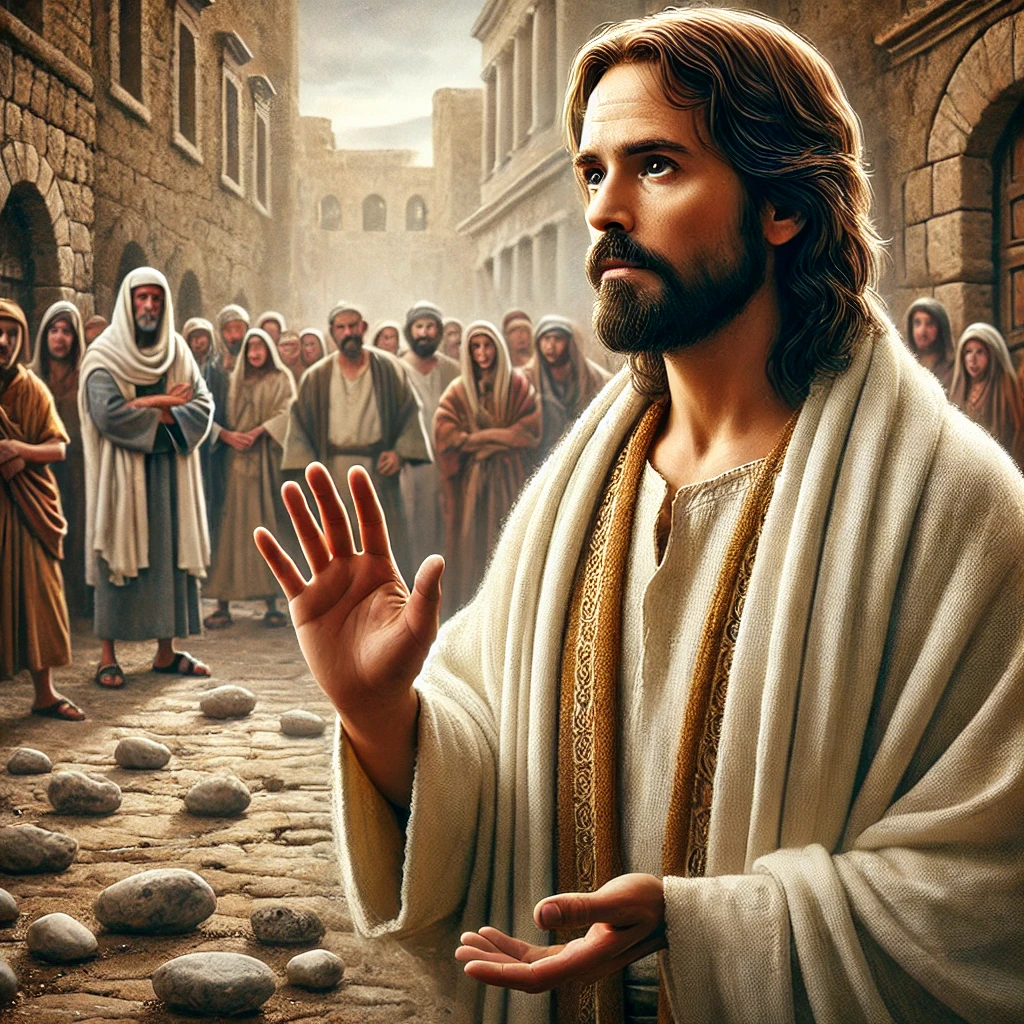
Challenging the human tendency to judge and condemn others
In this powerful statement, Jesus confronts the human inclination to judge and condemn others, often without recognizing our own faults. By challenging the accusers of the woman caught in adultery, Jesus forces us to examine our own hearts before casting judgment on others. It’s a call to humility, reminding us that we all fall short and are in need of God’s grace.
Recognizing our own need for grace and the importance of compassion
This quote invites us to consider our own imperfections and the grace we’ve received from God. When we recognize our need for grace, we are more likely to extend that same compassion to others. Jesus’ teaching encourages us to be merciful, understanding that everyone struggles with sin and deserves an opportunity for redemption.
Insights on the balance between truth and mercy
Jesus’ interaction with the woman demonstrates the delicate balance between upholding truth and offering mercy. He doesn’t condone sin, but neither does He condemn the sinner. Instead, He offers a path to forgiveness and transformation. This balance between truth and mercy is a cornerstone of Jesus’ teachings and serves as a model for how we should approach justice and compassion in our own lives.
7. “I am the way and the truth and the life. No one comes to the Father except through me.” (John 14:6)
Unpacking Jesus’ bold claim about the exclusivity of salvation
Jesus’ declaration that He is “the way and the truth and the life” is one of the most definitive statements about His identity and mission. This claim asserts that Jesus is the only path to salvation, emphasizing the unique role He plays in reconciling humanity with God. It’s a bold statement that challenges us to consider the exclusive nature of the Christian faith.
Exploring the deeper meaning of “the way, the truth, and the life”
Each element of this statement—way, truth, and life—carries profound meaning. As “the way,” Jesus is the path to God; as “the truth,” He embodies the ultimate reality of God’s nature; and as “the life,” He is the source of eternal life. Together, these titles affirm Jesus as the complete and final revelation of God’s plan for humanity.
Implications for faith, identity, and our relationship with God
This verse has significant implications for how we understand our faith and relationship with God. It calls us to place our trust fully in Jesus, recognizing that He alone bridges the gap between us and the Father. It also challenges us to align our lives with the truth of who Jesus is, allowing His life to guide and shape our own.
8. “Truly I tell you, if you have faith as small as a mustard seed, you can say to this mountain, ‘Move from here to there,’ and it will move.” (Matthew 17:20)
Encouragement for those struggling with doubt or weak faith
Jesus’ analogy of faith as a mustard seed offers encouragement to anyone who feels their faith is small or insufficient. The mustard seed, though tiny, has the potential to grow into something mighty. In the same way, even a small amount of faith, when placed in God, can achieve remarkable things.
The power of even small, unwavering faith to accomplish the impossible
This teaching highlights the incredible power of faith, no matter how small. Jesus assures us that with faith, we can overcome obstacles that seem insurmountable. It’s a reminder that our faith isn’t measured by its size but by its sincerity and persistence. With God, even the impossible becomes possible.
Lessons on the transformative potential of trust in God
Trusting God with even the smallest amount of faith can lead to profound transformation in our lives. This verse invites us to take that first step of faith, trusting that God will do the rest. It encourages us to believe that God is capable of moving the “mountains” in our lives—whether they be doubts, fears, or challenges—if we simply trust in Him.
9. “Do not judge, or you too will be judged. For in the same way you judge others, you will be judged, and with the measure you use, it will be measured to you.” (Matthew 7:1-2)
Addressing the human tendency towards hypocrisy and self-righteousness
In this teaching, Jesus warns against the dangers of judging others, highlighting the risk of hypocrisy and self-righteousness. It’s easy to point out the flaws in others while ignoring our own, but Jesus calls us to a higher standard—one of introspection and humility.
The importance of cultivating empathy, humility, and a non-judgmental spirit
Jesus’ words challenge us to develop a spirit of empathy and humility. Instead of judging others, we are called to understand their struggles and extend grace. By refraining from judgment, we open the door to compassion and create an environment where others can experience God’s love and forgiveness.
Insights on the principle of reciprocity in our relationships and interactions
This passage also introduces the principle of reciprocity: the way we treat others will be reflected back to us. It’s a call to treat others with the same grace and understanding that we hope to receive. In doing so, we foster healthier relationships and create a more just and loving community.
10. “Peace I leave with you; my peace I give you. I do not give to you as the world gives. Do not let your hearts be troubled and do not be afraid.” (John 14:27)

Jesus’ promise of a unique, supernatural peace amidst life’s storms
In this comforting promise, Jesus offers a peace that is unlike anything the world can provide. It’s a peace that transcends circumstances, one that calms our fears and reassures our hearts even in the midst of life’s storms. This peace is a gift from Jesus, rooted in His presence and His victory over the world.
Practical strategies for finding inner calm and courage in anxious times
To experience this peace, we can turn to practices such as prayer, meditation on God’s promises, and deepening our relationship with Jesus. These strategies help anchor us in His peace, providing inner calm and courage even when external circumstances are chaotic. Jesus’ peace empowers us to face challenges with a steady heart and a confident spirit.
Reflections on the difference between worldly and divine peace
Worldly peace often depends on external factors—circumstances, relationships, and material security. In contrast, divine peace is independent of our situation; it flows from our relationship with God. This peace is enduring and unshakable because it is rooted in the eternal presence and promises of God, offering a profound sense of well-being that the world cannot replicate.
11. “But seek first his kingdom and his righteousness, and all these things will be given to you as well.” (Matthew 6:33)
The Priority of God’s Kingdom: Understanding the importance of prioritizing God’s kingdom over material concerns
Jesus emphasizes the importance of placing God’s kingdom and righteousness at the center of our lives. By doing so, everything else falls into place. This teaching encourages us to trust that when we focus on spiritual priorities, our material needs will be met as well.
Balancing Spiritual and Material Needs: How this teaching offers a balanced approach to life’s priorities
Jesus’ words offer a balanced approach to managing both spiritual and material aspects of life. Instead of worrying about material things, we are called to focus on our relationship with God, trusting that He will provide what we need.
Practical Applications: Implementing this principle in daily decisions and long-term goals
We can apply this teaching by making decisions that reflect our commitment to God’s kingdom, such as dedicating time to prayer, serving others, and aligning our goals with God’s purposes. By seeking His kingdom first, we set a foundation for a life that is both spiritually and materially abundant.
12. “You are the light of the world. A town built on a hill cannot be hidden.” (Matthew 5:14)
The Call to Influence: Embracing the responsibility to positively impact the world around us
Jesus calls His followers to be the light of the world, shining brightly in a world that can often be dark. This metaphor highlights our responsibility to live in a way that reflects God’s love, truth, and grace, influencing those around us.
Being a Beacon of Hope: How to shine your light in a world that often feels dark
In a world filled with challenges and despair, being a beacon of hope means living out the values of the kingdom of God—love, kindness, justice, and mercy. This light cannot be hidden; it naturally draws others towards the hope we have in Christ.
Living Out the Light: Practical ways to embody this teaching in your community
We can live out this teaching by engaging in acts of service, sharing our faith, and being a positive influence in our communities. Whether through small acts of kindness or standing up for what is right, we let our light shine, pointing others to the source of true light—Jesus.
13. “For where your treasure is, there your heart will be also.” (Matthew 6:21)
Examining Heart Priorities: How our investments reveal what we truly value
This powerful statement by Jesus invites us to examine where we invest our time, energy, and resources. Our “treasure” represents what we value most, and Jesus reminds us that our hearts follow our investments.
Materialism vs. Spirituality: Balancing material wealth with spiritual richness
In a materialistic world, this teaching challenges us to consider whether our focus on accumulating wealth and possessions is overshadowing our spiritual growth. Jesus calls us to seek spiritual wealth, which is far more enduring and fulfilling.
Aligning Heart and Treasure: Strategies for ensuring your heart aligns with God’s values
To align our hearts with God’s values, we can practice generosity, invest in relationships, and prioritize spiritual disciplines like prayer and study of scripture. By doing so, we shift our focus from earthly treasures to heavenly ones, ensuring our hearts are in the right place.
14. “Come to me, all you who are weary and burdened, and I will give you rest.” (Matthew 11:28)
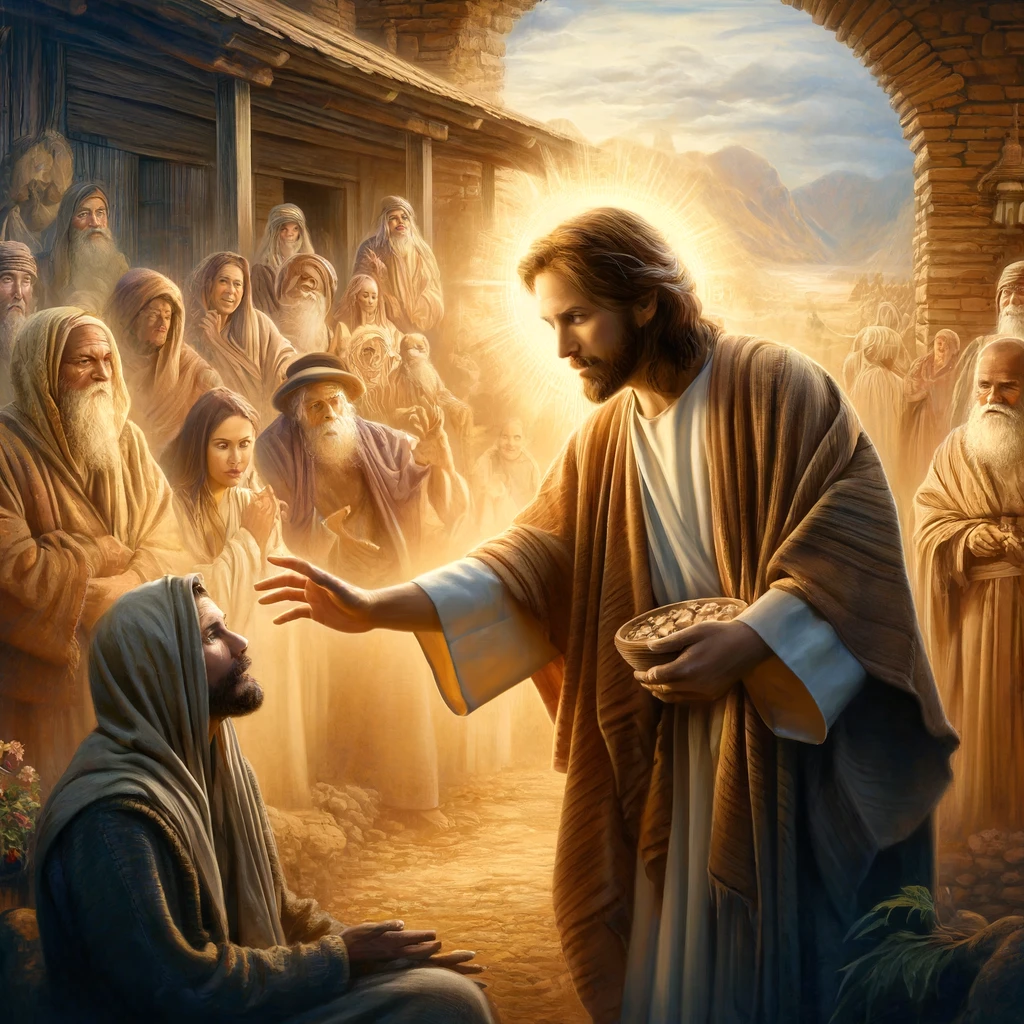
The Invitation to Rest: Jesus’ open invitation to those who are struggling
Jesus extends a heartfelt invitation to all who are weary and burdened, offering rest and relief from life’s pressures. This is a reminder that we don’t have to carry our burdens alone; Jesus invites us to find rest in Him.
Finding Peace in Christ: Understanding the deeper rest Jesus offers beyond physical rest
The rest Jesus offers goes beyond physical relaxation; it is a deep, soul-refreshing peace that comes from trusting in Him. This rest includes freedom from anxiety, guilt, and the constant striving for approval.
Practical Rest: How to find rest and rejuvenation in a hectic world
In our fast-paced world, finding rest can be challenging, but Jesus’ words encourage us to slow down, spend time with Him, and allow His presence to renew our spirits. Practical ways to do this include setting aside quiet time for prayer, practicing mindfulness, and participating in Sabbath rest.
15. “Whoever wants to be my disciple must deny themselves and take up their cross and follow me.” (Matthew 16:24)
The Cost of Discipleship: Understanding the sacrifices involved in following Jesus
Following Jesus isn’t easy; it requires self-denial and a willingness to endure hardship for the sake of the gospel. Jesus calls us to carry our own cross, symbolizing the daily commitment and sacrifices necessary to live as His disciples.
Self-Denial and True Fulfillment: How denying self leads to deeper fulfillment in Christ
While self-denial may seem counterintuitive, Jesus teaches that it leads to true fulfillment. By letting go of our own desires and ambitions, we make room for God’s will in our lives, which ultimately brings greater joy and purpose.
Carrying Your Cross: Practical steps to live out this challenging call
Living out this call involves making daily choices that reflect our commitment to Christ—whether it’s prioritizing time with God, serving others, or standing firm in our faith during trials. By carrying our cross, we follow Jesus’ example, trusting that the path of discipleship leads to eternal life.
16. “If anyone loves me, they will obey my teaching. My Father will love them, and we will come to them and make our home with them.” (John 14:23)
Love and Obedience: Exploring the connection between love for Jesus and obedience to His teachings
The Promise of Divine Presence: How obedience invites God’s presence into our lives
Jesus promises that when we obey His teachings, God’s presence will dwell within us. This assurance of divine presence offers comfort and strength, knowing that we are never alone when we walk in His ways.
Jesus emphasizes that true love for Him is demonstrated through obedience to His teachings. This profound connection between love and obedience reveals that following Jesus’ commands is not merely a duty but an expression of our love for Him.
Living in Love: Practical ways to cultivate a life of love and obedience
We can live out this call to love and obedience by daily seeking God’s will, immersing ourselves in Scripture, and allowing the Holy Spirit to guide our actions. Simple acts of kindness, forgiveness, and faithfulness in our commitments are tangible ways to demonstrate our love for Jesus.
17. “The thief comes only to steal and kill and destroy; I have come that they may have life, and have it to the full.” (John 10:10)
The Abundant Life Promise: What it means to live life to the fullest in Christ
Jesus contrasts the destructive intentions of the thief with His purpose to give us abundant life. This promise of fullness in Christ is not just about material blessings but encompasses spiritual richness, joy, and a deep sense of purpose.
Contrasting Life and Destruction: Understanding the difference between Jesus’ offer and the enemy’s deception
While the enemy seeks to destroy, Jesus offers a life that is full and meaningful. Recognizing this contrast helps us stay vigilant against the enemy’s lies and embrace the life-giving truth of Jesus.
Embracing Fullness: How to live in the abundance Jesus promises
Living in the fullness Jesus offers involves aligning our lives with His teachings, embracing His grace, and trusting in His provision. It’s about cultivating a mindset of gratitude, contentment, and purpose, knowing that in Christ, we have everything we need.
18. “For even the Son of Man did not come to be served, but to serve, and to give his life as a ransom for many.” (Mark 10:45)
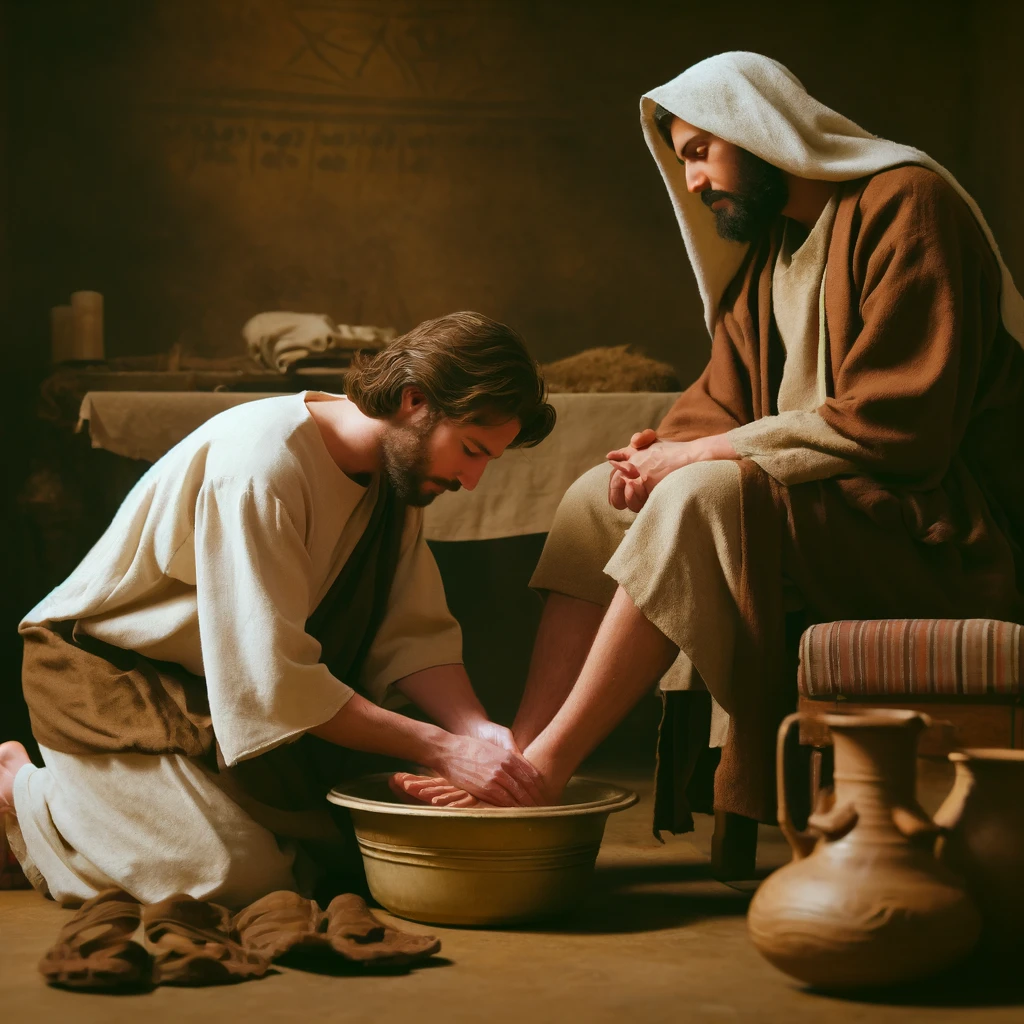
The Model of Servant Leadership: How Jesus redefines greatness as service
Jesus redefines leadership by showing that true greatness lies in serving others. His life was the ultimate example of servant leadership, challenging us to lead by serving, whether in our homes, workplaces, or communities.
The Ultimate Sacrifice: Reflecting on Jesus’ life as a ransom for humanity
Jesus’ willingness to give His life as a ransom for many underscores the depth of His love and the lengths He would go to redeem humanity. This act of selfless love calls us to reflect on our own lives and how we can live sacrificially for others.
Serving Like Jesus: Practical ways to live out servant leadership in your life
We can follow Jesus’ example by looking for opportunities to serve those around us, putting others’ needs before our own, and leading with humility and compassion. Whether through small acts of kindness or significant sacrifices, servant leadership is about making a difference in the lives of others.
19. “My grace is sufficient for you, for my power is made perfect in weakness.” (2 Corinthians 12:9)
Strength in Weakness: Understanding how God’s grace empowers us in our weaknesses
Paul’s revelation that God’s grace is sufficient in our weakness is a powerful reminder that we don’t have to be perfect to experience God’s power. In fact, it’s often in our weakest moments that His strength shines through the most.
Embracing Vulnerability: The role of admitting weakness in spiritual growth
Admitting our weaknesses and vulnerabilities is not a sign of failure but a step towards spiritual growth. It opens the door for God’s grace to work in us, transforming our weaknesses into strengths.
Living in Grace: How to rely on God’s grace daily
To live in God’s grace, we must daily surrender our struggles, fears, and shortcomings to Him. This involves trusting in His power to sustain us, relying on His guidance, and embracing His forgiveness and love in every area of our lives.
20. “Let not your hearts be troubled. Believe in God; believe also in me.” (John 14:1)
Faith Over Fear: Encouragement to trust in God during troubling times
Jesus’ comforting words invite us to place our trust in God, especially in times of fear and uncertainty. By focusing on our faith rather than our fears, we find peace and strength to navigate life’s challenges.
The Power of Belief: How belief in Jesus brings peace
Belief in Jesus and His promises brings a peace that surpasses understanding. It’s a peace rooted not in circumstances but in the unchanging nature of God’s love and faithfulness.
Practical Faith: Ways to cultivate and strengthen your belief in God’s promises
Strengthening our faith involves regular prayer, studying Scripture, and surrounding ourselves with a community of believers who encourage and uplift us. By focusing on God’s promises and His past faithfulness, we can cultivate a faith that stands firm, even in the most troubling times.
21. “I am the resurrection and the life. The one who believes in me will live, even though they die.” (John 11:25)
The Promise of Eternal Life: Understanding the assurance Jesus gives about life after death
Jesus provides a powerful promise of eternal life to those who believe in Him, offering hope beyond the grave. This statement reassures believers that death is not the end, but a gateway to everlasting life.
Victory Over Death: How this promise transforms our view of mortality
Understanding that death has been conquered through Christ allows us to live without fear of the unknown. This victory over death shifts our perspective on mortality, giving us courage and peace.
Living with Hope: Practical ways to live with the hope of resurrection
We can live each day with the hope of resurrection by focusing on the promises of Scripture, sharing this hope with others, and living with the confidence that our future is secure in Christ.
22. “You shall love your neighbor as yourself.” (Matthew 22:39)
The Second Greatest Commandment: Exploring the depth of this command to love others
Jesus’ command to love our neighbors as ourselves is a profound directive that calls us to extend the same care, compassion, and respect to others that we desire for ourselves. It’s a foundation for building a just and compassionate society.
Building Community: How loving others strengthens relationships and communities
When we actively love our neighbors, we create stronger, more supportive communities. This love fosters trust, cooperation, and a sense of belonging, making our neighborhoods and workplaces better places to live and work.
Living Out Love: Practical ways to love your neighbors in daily life
Loving our neighbors can be as simple as offering a listening ear, helping with a need, or showing kindness in everyday interactions. By being intentional in our actions, we reflect the love of Christ in tangible ways.
23. “I am the light of the world. Whoever follows me will never walk in darkness, but will have the light of life.” (John 8:12)

Walking in the Light: The assurance of guidance and clarity for those who follow Jesus
Jesus promises that those who follow Him will never walk in darkness, symbolizing the guidance and clarity He provides. His light illuminates our path, helping us navigate the complexities of life with confidence.
The Light of Life: How Jesus’ light brings life to our darkness
Jesus’ light is not just about guidance, but also about bringing life to areas of darkness in our hearts and minds. His presence dispels fear, confusion, and despair, replacing them with hope, understanding, and joy.
Following the Light: Practical steps to stay in the light of Christ
We can stay in the light of Christ by regularly engaging with Scripture, maintaining a consistent prayer life, and surrounding ourselves with a community of believers. These practices help keep our focus on Jesus, ensuring we walk in His light daily.
24. “Let the little children come to me, and do not hinder them, for the kingdom of heaven belongs to such as these.” (Matthew 19:14)
The Innocence of Children: What we can learn from the simplicity and faith of children
Jesus highlights the qualities of children—innocence, trust, and humility—as essential characteristics of those who belong to the kingdom of heaven. We can learn from their simple faith and openness to God’s love.
Welcoming All to the Kingdom: Jesus’ inclusive message for everyone
By welcoming children, Jesus demonstrates that the kingdom of heaven is open to all, regardless of age, status, or background. His message is one of inclusion and love, breaking down barriers that society often imposes.
Living with Childlike Faith: How to cultivate childlike wonder and faith in your life
We can cultivate a childlike faith by trusting God completely, embracing wonder and curiosity about His creation, and approaching Him with humility and openness. This attitude helps us grow closer to God and experience His kingdom more fully.
25. “Behold, I stand at the door and knock. If anyone hears my voice and opens the door, I will come in and eat with them, and they with me.” (Revelation 3:20)
The Invitation of Fellowship: Jesus’ desire for a personal relationship with each of us
Jesus’ words in Revelation emphasize His desire for a personal, intimate relationship with each of us. He patiently waits for us to open the door of our hearts to Him, promising fellowship and communion when we do.
Opening the Door to Jesus: The importance of responding to Jesus’ call
Responding to Jesus’ knock requires an intentional decision to invite Him into our lives. This response involves faith, repentance, and a willingness to allow Him to transform our hearts and lives.
Living in Communion: How to maintain a close, personal relationship with Jesus daily
Maintaining a close relationship with Jesus involves daily prayer, meditating on His Word, and seeking His presence in all we do. This ongoing communion with Christ strengthens our faith and brings us closer to Him.
Wow, what a journey we’ve been on! From radical calls to love our enemies to profound promises of inner peace, the words of Jesus have the power to shake us to our very core. But here’s the kicker – these aren’t just ancient platitudes gathering dust in history books. They’re a living, breathing blueprint for navigating the complexities of life in 2024 and beyond!
Whether you’re a devoted follower or a curious skeptic, I challenge you to let these quotes sink in, wrestle with them, and allow them to transform the way you think, feel, and act. After all, the greatest philosophers, leaders, and visionaries of our time have all drawn inspiration from the timeless wisdom of Jesus. So, the next time you’re faced with a daunting challenge, a restless heart, or a world in turmoil, remember: you’re not alone. The ultimate Sage has already spoken, and his voice continues to echo through the ages, offering hope, healing, and an invitation to a better way of living. Are you ready to unlock the power of Jesus’ words and let them change your life in 2024?
FAQ for “25 of the Most Powerful and Famous Quotes by Jesus That Still Inspire Us in 2024”
Q1: Why are Jesus’ quotes still relevant in 2024?
A: Jesus’ teachings touch on timeless human experiences, such as love, forgiveness, faith, and justice. These universal themes resonate across different cultures and eras, making His words as impactful today as they were 2,000 years ago.
Q2: How can I apply Jesus’ teachings to my daily life?
A: You can apply Jesus’ teachings by reflecting on the principles He shared and finding practical ways to live them out. For example, practicing forgiveness, showing compassion, and trusting in God’s provision are all ways to incorporate His wisdom into your daily routine.
Q3: What is the significance of Jesus saying, “Love your enemies”?
A: Jesus’ command to love our enemies challenges us to rise above hatred and retaliation, promoting a spirit of forgiveness and reconciliation. This teaching encourages us to break the cycle of conflict and to extend grace even in difficult relationships.
Q4: How do I deal with worry according to Jesus’ teachings?
A: Jesus advises us not to worry about tomorrow and to trust in God’s provision. To manage worry, focus on the present moment, pray for peace, and trust that God will take care of your needs, just as He does for all creation.
Q5: Why does Jesus emphasize humility in His teachings?
A: Humility is a central theme in Jesus’ teachings because it fosters a reliance on God rather than on oneself. It also promotes a spirit of service, helping us to put others’ needs before our own and to live in a way that reflects God’s love.
Q6: What does Jesus mean by “the kingdom of heaven”?
A: The kingdom of heaven refers to God’s reign and rule, both in the present world and in eternity. Jesus taught that the kingdom is not just a future reality but something that begins in the hearts of those who follow Him and live according to His teachings.
Q7: How can I cultivate faith the size of a mustard seed?
A: To cultivate faith, start by taking small steps in trusting God daily. Pray for strength, read and meditate on Scripture, and surround yourself with a community of believers who encourage and support your spiritual growth.
Q8: What is the significance of Jesus being called “the light of the world”?
A: Jesus being called “the light of the world” signifies His role in bringing truth, guidance, and hope to a world darkened by sin and confusion. Following Him means walking in the light of His teachings, which leads to a life filled with purpose and clarity.
Q9: How do I respond to Jesus’ invitation to fellowship in Revelation 3:20?
A: Responding to Jesus’ invitation involves opening your heart to Him, inviting Him into your life through faith and prayer, and committing to a relationship with Him. This relationship is nurtured through regular prayer, Bible study, and living according to His teachings.
Q10: Can these quotes help me in times of trouble?
A: Yes, Jesus’ quotes offer comfort, guidance, and hope during difficult times. His promises of peace, His call to trust in God, and His assurance of God’s love can provide strength and encouragement when you face challenges.
Embracing the Timeless Wisdom of Jesus
As we’ve explored these powerful quotes from Jesus, it’s clear that His words continue to offer guidance, comfort, and inspiration in our lives today. Whether you’re seeking peace, strength, or deeper understanding, turning to the teachings of Jesus can provide the direction you need. If you’re interested in diving deeper into the life and teachings of Jesus, particularly His birth and its profound significance, don’t miss our article on “7 Astonishing Facts About the Miraculous Birth of Jesus.” This article unpacks the mystery and wonder surrounding the Nativity story and how it continues to impact us today.
Understanding the Broader Impact of Jesus’ Teachings
The teachings of Jesus not only shape our personal lives but also have a profound impact on global culture and spirituality. From influencing social justice movements to shaping moral philosophies, His words resonate far beyond the walls of the church. For those interested in exploring how Jesus’ teachings intersect with broader theological concepts, I recommend reading this insightful article on “The Role of Jesus in Modern Theology.” This resource delves into the continued relevance of Jesus’ teachings in contemporary Christian thought, offering a deeper understanding of His enduring legacy.