

The Mysterious Folded Napkin in Jesus’ Tomb
I love discovering little details in Scripture that carry big messages—and the folded napkin in Jesus’ tomb is one of those fascinating details that has captivated believers for generations. At first, it might seem like an insignificant part of the resurrection story, but I believe every word in the Bible is there for a reason.
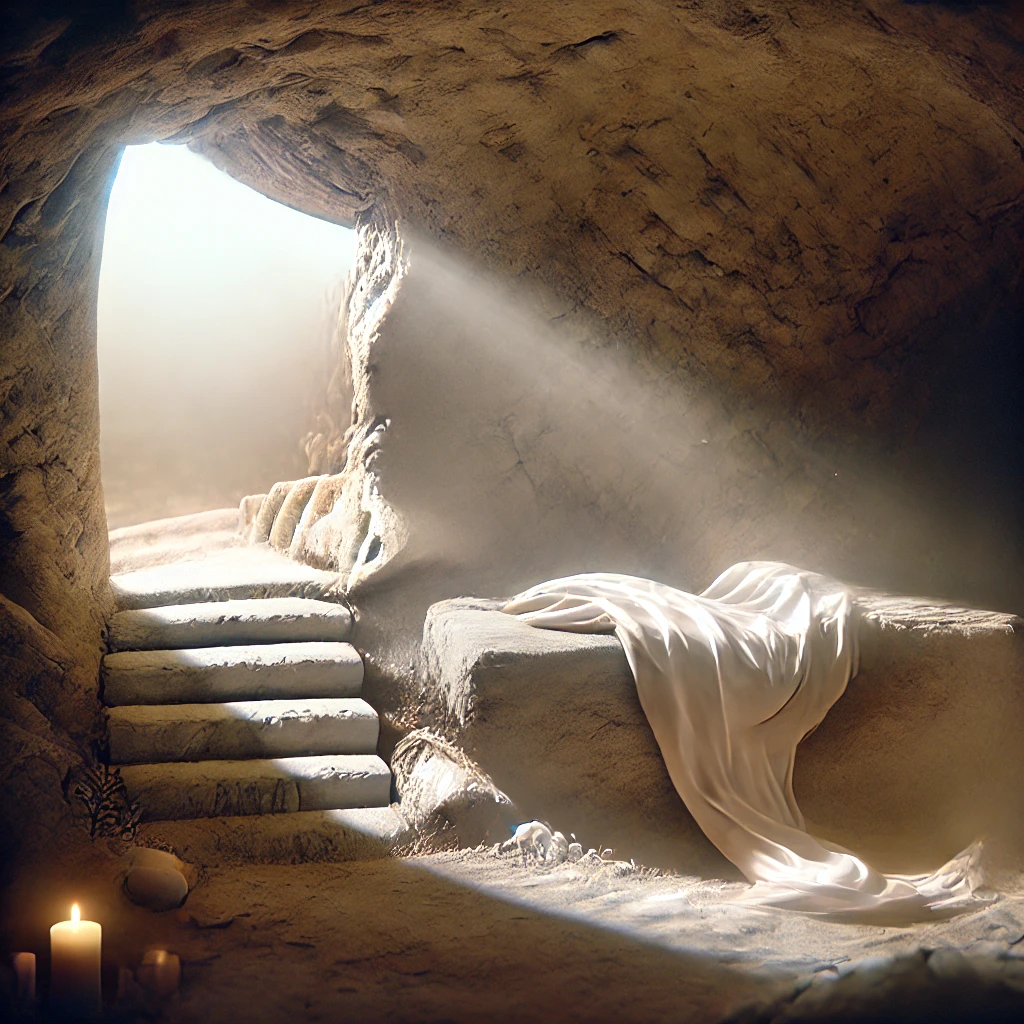
In John 20:7, we read that when Peter and John arrived at the empty tomb, they saw Jesus’ burial cloths lying there—but the napkin that had been around His head was folded and set apart. Now, that’s an interesting detail! Why would Jesus take the time to fold the napkin before leaving the tomb? What message was He sending?
Many believe this small act holds deep symbolic meaning, possibly rooted in ancient Jewish customs. Some suggest that in Hebrew tradition, a folded napkin at the dinner table meant the master was coming back. Could Jesus have been leaving His disciples—and us—a powerful message of hope and promise?
Let’s dive into the meaning behind this folded napkin and what it reveals about Jesus’ love, His resurrection, and His promise to return.
Understanding the Jewish Tradition of the Folded Napkin

Jewish Dining Customs and the Folded Napkin
To understand why some believe the folded napkin carries symbolic meaning, we need to look at an ancient Jewish dining tradition that might provide some context.
In wealthy Jewish households, mealtime followed a structured etiquette, especially when a servant was present. The master of the house would be served and, as he ate, the servant would stand at a distance, waiting for a signal that the meal was finished.
- If the master crumpled the napkin and left it on the table, it was a sign that he was done eating. The servant would then clear the table.
- If the master carefully folded the napkin and set it aside, it was a different message entirely—”I’m not finished. I’m coming back.”
Some believe that when Peter and John saw the folded napkin in Jesus’ tomb, they would have immediately recognized this symbolism. Was Jesus leaving them (and us) a message? Could this folded napkin have been a silent promise that He was not gone forever, that He would return?
Does the Folded Napkin Tradition Relate to Jesus’ Tomb?
While this interpretation is compelling and widely shared, scholars debate whether this particular folded napkin tradition was actually part of first-century Jewish customs.
- A Widely Believed Symbol – Many preachers and Bible teachers embrace this explanation because it beautifully connects with the resurrection theme. Jesus’ act of deliberately folding the napkin could be seen as His way of reassuring His followers that His work isn’t finished, and He is coming back.
- Historical Uncertainty – Some scholars argue that there is no strong historical evidence proving that this specific folded napkin practice was a universal Jewish custom in Jesus’ time. The Bible itself does not explicitly state that the folded napkin was meant to be a sign.
- How First-Century Jewish Followers Might Have Understood It – Even if the napkin tradition wasn’t a formal Jewish custom, Jesus’ disciples lived in a culture full of symbolic gestures. The fact that John makes a point to mention the folded napkin suggests that it carried important meaning for those who saw it.
Whether or not this was a common Jewish practice, one thing remains clear: Jesus was intentional about every detail of His resurrection. The folded napkin wasn’t left behind by accident—it was a deliberate act that carried a message. And for us today, that message is just as powerful.
Biblical Evidence – The Folded Napkin in John 20:7
I remember the first time I read John 20:7 and really paid attention to the details—it gave me chills. The verse says:
“And the napkin, that was about his head, not lying with the linen clothes, but wrapped together in a place by itself.” (John 20:7, KJV)
It’s such a small detail, but when you stop to think about it, you realize nothing in Scripture is accidental. John, inspired by the Holy Spirit, made sure to include this moment in his Gospel. But why?
The Gospel Account of Jesus’ Empty Tomb
Picture this scene with me. Mary Magdalene rushes to Jesus’ tomb early on the first day of the week and finds the stone rolled away. Panicked, she runs to tell Peter and John. The two disciples sprint to the tomb, with John arriving first. He peeks inside, then Peter, bold as ever, walks right in. And that’s when they see it—the burial cloths lying there, and the napkin, folded separately.
Now, let’s think about this logically. If someone had stolen Jesus’ body, why would they bother folding the napkin? Grave robbers wouldn’t have taken the time to tidy up. This tells us that Jesus Himself folded it, and He did it for a reason.
It’s a powerful moment. The folded napkin wasn’t just a random detail—it was a message.
Why Was the Napkin Folded in Jesus’ Tomb?
So, what was Jesus trying to say?
- A Sign of Intentionality – Jesus’ resurrection wasn’t chaotic or hurried. He left the grave clothes behind in an orderly fashion, showing us His power over death and that His return to life was planned.
- A Message to His Followers – Just as the Jewish custom of a folded napkin symbolized a return, this could have been Jesus’ way of telling His disciples, “I will be back.”
- A Testament to His Victory – The empty tomb itself was already proof of Jesus’ resurrection, but the folded napkin? That was like a signature left behind, a personal touch reminding us that He is alive and still at work.
Can you imagine Peter and John standing there, staring at that folded napkin, realizing what it meant? I picture their eyes widening, their hearts pounding, as the truth began to sink in.
Even today, the folded napkin reminds us to live with expectation, knowing that Jesus is coming back just as He promised.
Spiritual Significance of the Folded Napkin for Believers Today
The folded napkin in Jesus’ tomb isn’t just an interesting detail—it carries a deep spiritual meaning for us today. Whether or not the Jewish dining tradition directly applies, one truth remains: Jesus does everything with purpose. If He folded the napkin before leaving the tomb, it wasn’t by accident. It was a message to His followers, both then and now.
So, what does this small but powerful symbol mean for our faith today? Let’s explore how the folded napkin reminds us of Jesus’ promise, our hope in His return, and the call to stay spiritually ready.
The Folded Napkin as a Message of Hope & Assurance
When I first heard about the folded napkin, I remember feeling a sense of comfort. It’s as if Jesus left behind a quiet but profound message: “I’m coming back for you.”
Throughout Scripture, Jesus spoke of His return. In John 14:3, He promises:
“And if I go and prepare a place for you, I will come again and receive you unto myself; that where I am, there ye may be also.”
This means we are never abandoned. The folded napkin, whether symbolic or not, aligns perfectly with Jesus’ message. His work on the cross was finished, but His mission isn’t over. Just as He left the grave clothes behind, He is still at work, preparing a place for us and waiting for the day of His return.
It’s easy to feel discouraged when we look at the world today—there’s so much pain, uncertainty, and chaos. But the folded napkin reminds us that this isn’t the end of the story. Just as Jesus fulfilled His promise to rise again, He will fulfill His promise to return.
Why Did Jesus Fold the Napkin? A Call to Stay Spiritually Ready
This small detail in the tomb isn’t just a comfort—it’s a challenge. It reminds us that Jesus is coming back, and we must be ready for His return.
Jesus often spoke about living in expectation of His second coming. In Matthew 24:44, He warns:
“Therefore be ye also ready: for in such an hour as ye think not the Son of man cometh.”
The folded napkin could be a gentle nudge for us to reflect on our own lives. Are we spiritually prepared for Jesus’ return? Are we living each day with purpose, faith, and expectation?
Here’s what this symbol teaches us about spiritual preparedness:
✅ Stay watchful – Like the servants in Jewish households who kept watch for their master’s return, we should be alert and ready, always growing in our faith.
✅ Live with intention – Every day is an opportunity to serve God, love others, and walk in faith. The folded napkin reminds us that our time here is temporary—we should make it count.
✅ Keep our hearts aligned with Christ – Instead of becoming distracted by the world, we should keep our eyes fixed on Jesus, knowing that He is coming back.
The folded napkin wasn’t just left behind in the tomb—it was placed there on purpose. And I believe Jesus is still calling us, through this small but powerful detail, to live in expectation of His return.
Conclusion – The Folded Napkin: A Powerful Symbol of Jesus’ Return
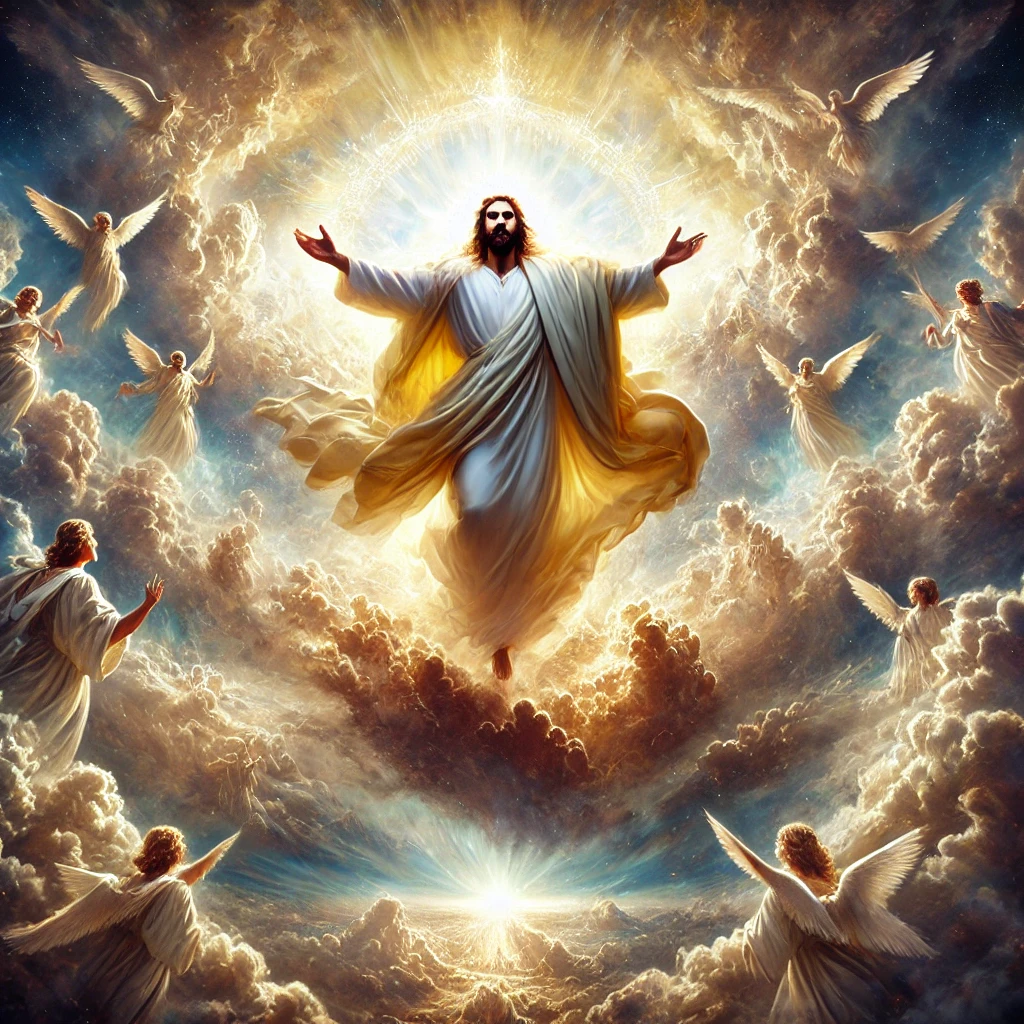
As I reflect on the folded napkin in Jesus’ tomb, I can’t help but feel a deep sense of hope and reassurance. This small detail, often overlooked, carries a profound message: Jesus is not finished with His work, and He is coming back for us.
The resurrection wasn’t the end of Jesus’ story, and it’s not the end of ours either. He is still working in our lives, guiding us, and preparing a place for us. The folded napkin reminds us to live each day with faith, knowing that He will return just as He promised.
But before His resurrection, Jesus made the ultimate sacrifice for us on the cross. His death and resurrection are inseparable, and understanding why His sacrifice was necessary deepens our faith. If you want to explore the depth of Jesus’ love and why His death was part of God’s divine plan, I encourage you to read:
👉 The Love Behind Jesus’ Sacrifice: Why It Was Necessary
This powerful article dives into the meaning behind Jesus’ sacrifice and how it reflects His love for us.
So let’s take this symbol of the folded napkin to heart. Let’s live with purpose, with hope, and with our eyes fixed on Jesus—because one day, we will see Him again.
Dive Deeper into Jesus’ Final Week
Understanding the events of Jesus’ final week—from Palm Sunday to the resurrection—helps us grasp the depth of His love, sacrifice, and promise to return. If you’re looking for a structured Bible study to reflect on these crucial moments, I highly recommend:
📖 Jesus’ Final Week: LifeGuide Topical Bible Studies
By InterVarsity Press
- 8 in-depth Bible studies covering Jesus’ last week on Earth.
- Includes Leader’s Notes to guide group discussions or personal reflection.
- Helps you grow closer to Christ by focusing on His sacrifice and resurrection.
📘 Get Your Copy Today!

🛒 Buy Now on Christianbook.com
Frequently Asked Questions About Jesus and the Folded Napkin
1. Why is the folded napkin in Jesus’ tomb considered significant?
The folded napkin found in John 20:7 is significant because it is the only burial cloth specifically mentioned in the resurrection account. Some believe it symbolizes Jesus’ promise to return, much like a folded napkin in Jewish culture signified that the master would come back to the table.
2. Where in the Bible does it mention the folded napkin?
The folded napkin is mentioned in John 20:7, which states that the cloth that had covered Jesus’ head was folded and placed separately from the other grave clothes.
3. What does a folded napkin mean in Hebrew tradition?
Some suggest that in ancient Jewish dining customs, a folded napkin indicated that the master was returning to finish his meal. However, scholars debate whether this was a widely recognized Jewish practice in Jesus’ time.
4. How does the folded napkin relate to Jesus’ return?
If the folded napkin represents a promise to return, then Jesus may have been using it as a silent message to His disciples—a reassurance that He is coming back. This aligns with His teachings in John 14:3, where He promises to return for His followers.
5. Is there evidence that the folded napkin was a common Jewish custom?
There is no concrete historical evidence that this was a universal Jewish custom, but some scholars and Bible teachers believe it was a cultural practice understood at the time. Regardless, the folded napkin’s presence in Scripture carries deep symbolic meaning for believers.
6. What does the folded napkin teach us about faith today?
The folded napkin reminds us to stay spiritually ready for Jesus’ return. It encourages us to live in expectation, deepen our faith, and trust in His promises.
7. How can I apply the message of the folded napkin to my life?
- Live with purpose—knowing that Jesus’ return is certain.
- Grow spiritually—strengthen your relationship with Him daily.
- Stay faithful—continue to trust in His promises, even in difficult times.
Encourage others—share the message of Jesus’ love and His coming return.