I know exactly how it feels to flip to the back of your Bible, start reading about dragons, beasts, and bowls of wrath, and suddenly feel a wave of anxiety wash over you. For so many of us, the Book of Revelation feels intimidating, confusing, and let’s be honest, a little bit scary.
With all the heavy news we carry every day regarding our families, our finances, and our future, the last thing we want to read is something that causes more panic. But I want to share a beautiful truth with you: Revelation was never meant to frighten us. It is actually the most hope-filled book in the entire Bible. It is the grand finale where God makes all things new, wipes away every tear, and secures ultimate victory.
In this guide, we are going to demystify the Book of Revelation together. We will break down its confusing imagery and timeline into understandable pieces, replacing fear with absolute confidence in God’s sovereign plan for our future.
Studying prophecy requires a focused, peaceful heart. Don’t let the busyness of life distract you from what God is saying. Download our [Free 30-Day Christian Prayer Journal] to center your thoughts before you read, or check out our beautifully designed [52-Week Prayer & Devotional Journal] (valued at over R350, but available in our Resource Library) to keep your daily study time anchored in His peace.
Who Wrote Revelation and What is its Purpose?
To truly understand Revelation, we have to look at where the author was sitting when he wrote it. The book was written by the Apostle John, who was an old man at this point. He wasn’t sitting in a comfortable study; he had been exiled to a harsh, rocky prison island called Patmos simply for preaching the gospel.
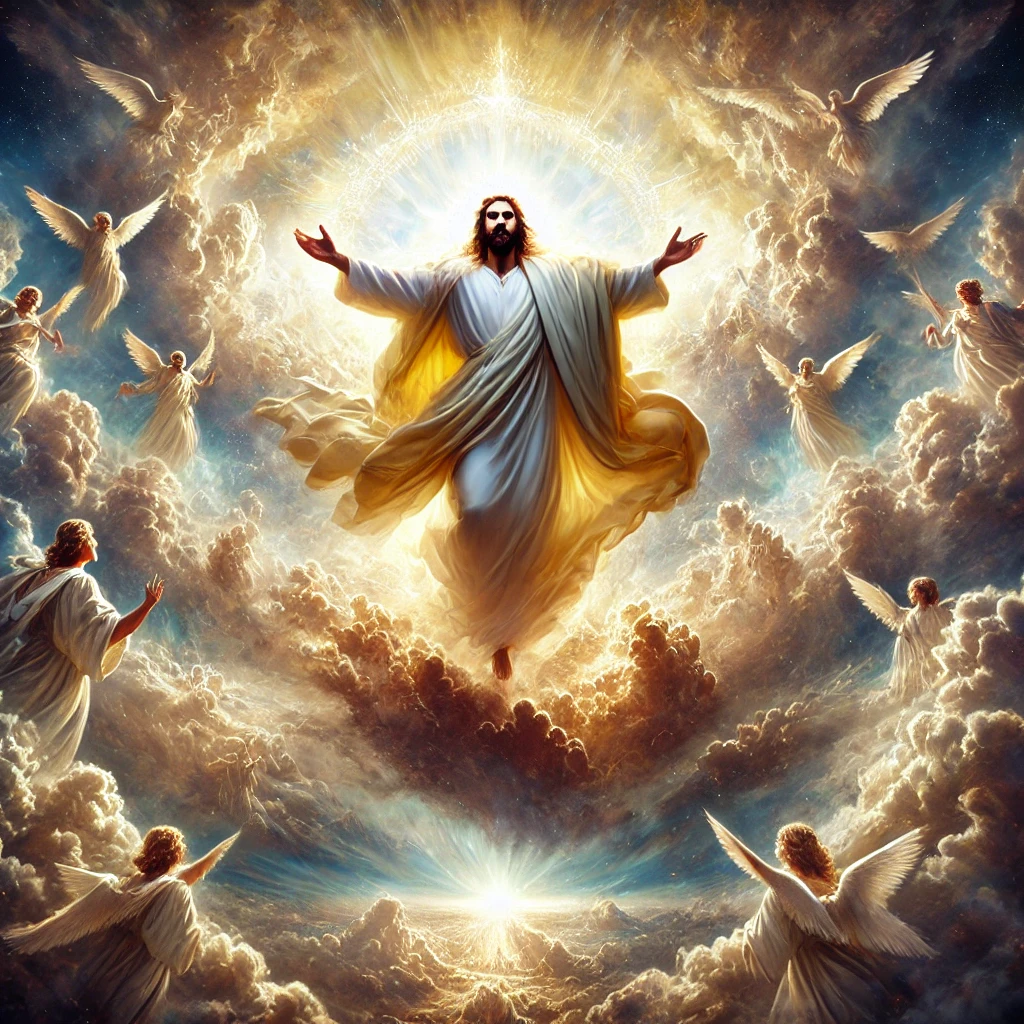
It was there, in his isolation and suffering, that Jesus appeared to John and gave him this extraordinary vision. The very first verse tells us exactly what this book is: “The revelation of Jesus Christ.” It isn’t primarily a roadmap of the antichrist or a survival guide for the apocalypse. It is a revealing of Jesus in His full, resurrected glory. John wrote this vision down to encourage early believers who were facing intense persecution, reminding them (and us) that no matter how chaotic the world gets, God is still firmly on the throne.
The 7 Churches: Letters to Everyday Believers
Before the book dives into the futuristic visions of tribulation and heavenly worship, it starts with something incredibly grounded: letters written to seven literal, physical churches in Asia Minor (modern-day Turkey).
Jesus addresses these congregations directly, and His words are piercingly relevant to our lives today. He speaks to the church that has lost its first love, the church that is compromising its morals to fit in with the culture, and the church that has grown comfortably “lukewarm.” As women navigating a modern world that constantly pressures us to compromise our faith, these letters serve as a powerful mirror for our own hearts.
To see exactly what Jesus said to these congregations and how His warnings and promises apply to us right now, read our complete breakdown of [What Do the 7 Churches in Revelation Teach?].
The Rapture and the Tribulation: Finding Peace in His Plan

If there is one topic that creates the most debate (and the most anxiety) in Christian circles, it is the timeline of the end times. Words like “Rapture” and “Tribulation” can sound terrifying, especially when we think about our children and our loved ones.
First, let’s take a deep breath and look at the big picture. While theologians debate the exact timing of when believers will be caught up to meet Jesus in the air, the ultimate promise remains the same: God rescues His children. He has not appointed us to suffer His ultimate wrath. For a gentle, scripture-based look at what this event actually entails, you can read our guide on [What Is the Rapture?].
Following this, Revelation describes a period of intense global hardship known as the Tribulation. While the imagery of seals, trumpets, and bowls of judgment is intense, it is crucial to remember that God is still in control during this time, extending final opportunities for humanity to repent. If you want to understand the purpose of this period without the fear-mongering, explore our breakdown of [The Great Tribulation in Revelation].
The Mark of the Beast and Standing Firm
There is so much misinformation and sensationalism on the internet regarding the “Mark of the Beast.” Every few years, a new technology or global event sparks panic that the mark is being rolled out.
As women grounded in the Word, we do not need to live in a constant state of suspicion or fear. In Revelation, the mark is not an accidental microchip or a barcode you get tricked into taking; it is a deliberate, conscious choice to align with the enemy’s system and reject Christ. Even more importantly, Revelation spends far more time talking about the Seal of God placed on the foreheads of believers to protect them! There is absolute security in belonging to Jesus. Learn exactly what the Bible says (and what it doesn’t say) in our straightforward post on [The Mark of the Beast].
The Ultimate Hope: A New Heaven and a New Earth
This is where the story gets incredibly beautiful. After all the judgments have passed and the enemy is finally defeated for good, Revelation chapters 21 and 22 reveal the breathtaking climax of human history.
God doesn’t just abandon the earth; He completely restores it. He creates a new heaven and a new earth. The most beautiful promise in the entire Bible is found right here: God Himself will come down to dwell among us. He will wipe away every single tear from our eyes. There will be no more death, no more mourning, no more crying, and no more pain. All the brokenness we experience in this life will be completely undone.
Conclusion: Prophecy is a Promise, Not a Threat
When we study biblical prophecy, especially concerning the end times, it is so easy to get caught up in trying to decode every single symbol, number, and headline in the news. But as women of faith, our goal isn’t to predict the exact date of Jesus’ return; our goal is to be found faithful when He does.
Prophecy is simply God’s way of saying, “I know the end of the story, and I hold it in My hands.” It is meant to bring us profound comfort, knowing that no matter how chaotic the world feels right now, God’s ultimate plan of redemption is right on schedule.
Ready to study with confidence? Don’t let confusion keep you out of the Word. Head over to our Resource Library to download your [Free 30-Day Christian Prayer Journal], or grab our [52-Week Prayer & Devotional Journal] (valued at over R350) to keep your daily reading structured, peaceful, and entirely focused on Him.
Frequently Asked Questions About End Times Prophecy
What is the difference between a prophecy and a promise in the Bible?
While all of God’s prophecies contain promises, a prophecy is a specific foretelling of a future event ordained by God (like the birth or second coming of Christ). A promise is a guarantee of God’s character and provision that applies to believers across all generations.
Are there still prophets today like there were in the Old Testament?
While the Holy Spirit still gives the spiritual gift of prophecy to encourage, comfort, and build up the church today (1 Corinthians 14:3), the foundational, scripture-writing era of the Old Testament prophets and New Testament Apostles has been completed. Any modern prophetic word must always align perfectly with the written Word of God.
How can I study Revelation without getting scared?
The best way to study apocalyptic prophecy is to always look for Jesus first. Before looking for the beasts or the plagues, focus on where Jesus is in the chapter and what He is doing. Grounding your study in His victory removes the fear and replaces it with awe.
Why is Revelation so hard to understand?
Because it’s full of symbols and visions, it can seem confusing. But when read prayerfully, Revelation’s message becomes clear — it’s about Christ’s victory and God’s faithfulness.
Should Christians be afraid of Revelation?
No. Revelation was written to encourage believers, not to scare them. Its purpose is to remind us that Jesus reigns, and our future is secure in Him.
What is the main message of Revelation?
That Jesus Christ is victorious, evil will be defeated, and God’s people will dwell with Him forever in peace and glory.
How can I apply Revelation to my life today?
Let it deepen your trust in God’s plan and renew your hope when the world feels uncertain. Focus on faithfulness, prayer, and living in readiness for His return.
What is the best way to start reading Revelation?
Begin with the first three chapters — the letters to the churches. They’re practical, encouraging, and deeply personal. Then move slowly through the visions with a devotional approach.
Related Reading
- The Truth About the Antichrist: Are We In The End Times?
- Hope in Christ Amid Prophecy and Uncertainty

Revelation Explained: Verse by Verse
If you’ve struggled to understand Revelation’s prophecies, this breakthrough guide transforms confusion into crystal-clear comprehension—verse by verse. With a systematic approach, it connects Old Testament prophecies to end-times events and turns intimidating imagery into a message of hope.
- Decode symbolic language and understand what each vision means
- See the connections between OT prophecies and Revelation’s fulfillment
- Learn 5 key principles that turn fear into faith and victory
- Follow the biblical sequence of prophetic events with clarity
- Perfect for study leaders, new believers, and anyone eager to master Scripture’s final book
✝️ Closing Prayer
Lord, thank You for the promise of victory through Jesus. When the world feels uncertain, remind me that You are sovereign and faithful. Help me to live with confidence, courage, and hope as I wait for Your return. Amen.