

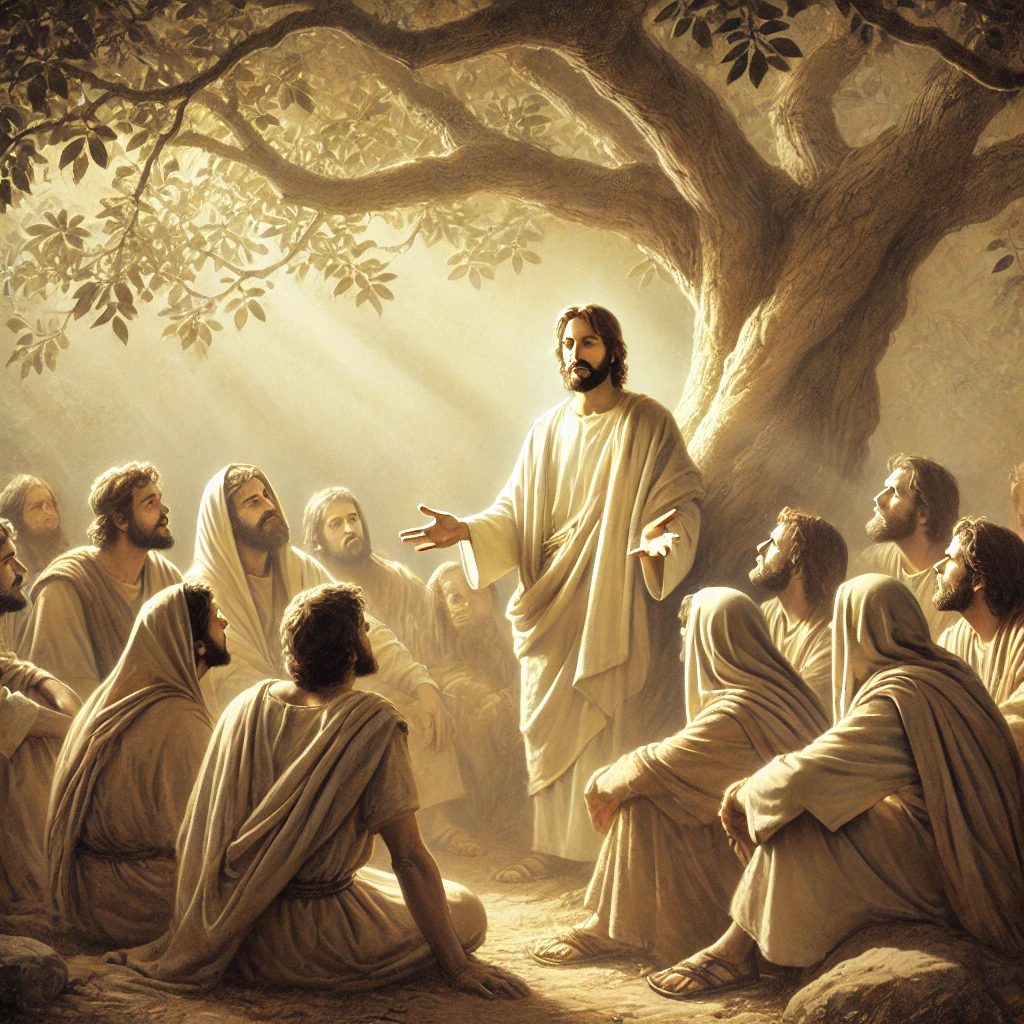
I’m excited to dive into a beautiful and somewhat mysterious lesson Jesus taught us through the fig tree. It’s amazing how even the smallest details in Scripture can reveal such big truths about our lives and faith. You might think, “What could a fig tree possibly teach me about following Jesus?” But trust me, there’s so much here! Jesus used the fig tree to teach lessons on spiritual readiness, God’s timing, faith, repentance, and awareness. So let’s walk through these lessons together and uncover the powerful truths this humble tree has for us today.
Lesson 1: Spiritual Readiness and Fruitfulness
The Barren Fig Tree as a Sign of Spiritual Fruitfulness
In the Gospel of Mark, there’s a story where Jesus comes across a fig tree without any fruit. When He finds it barren, He curses it, which might seem surprising or even a bit harsh at first (Mark 11:12-14). But as I looked deeper, I realized that Jesus wasn’t just upset about the lack of figs. The fig tree represented something much bigger—a symbol of our spiritual readiness and fruitfulness. Just like a fig tree is expected to bear fruit in season, our lives as Christians are meant to bear spiritual “fruit” like love, kindness, faithfulness, and service.
I think of this story as a reminder for myself, too. Am I showing up in my faith in a way that bears real fruit, or am I just “looking” the part without truly living it? Jesus’ interaction with the fig tree is a challenge to go deeper, to grow, and to live out our faith authentically. It’s not about being perfect, but about letting our actions reflect the heart of God.
Bearing Fruit in Our Lives
When I read about the barren fig tree, it made me think: am I bearing fruit in my own life? It’s easy to get caught up in the busyness and forget that our faith is meant to be active and alive. Are we showing kindness? Are we patient? Do we serve others with a willing heart? Bearing fruit isn’t about doing it all right; it’s about letting God work through us, even in small, everyday ways.
Maybe for you, bearing fruit looks like showing patience with your family, or maybe it’s volunteering in your community or spending time with someone who needs a friend. Whatever it is, we’re called to let our faith shine in the world. Jesus didn’t just curse the fig tree to make a point; He did it to remind us to live intentionally, rooted in love and ready to make an impact.
Lesson 2: Recognizing God’s Timing and Signs
The Budding Fig Tree as a Sign of Seasons
In Matthew 24, Jesus uses the fig tree to illustrate the importance of understanding the times and seasons. He tells His disciples to look at the fig tree’s budding as a sign of the approaching season, using it as a symbol of God’s timing. This really hit home for me—Jesus is telling us to pay attention to the signs around us, to be aware of God’s movements, and to trust that He has a perfect timing for everything in our lives.
I don’t know about you, but I’ve definitely had times where I wondered, “God, when?” It’s so easy to get impatient and want things to happen on our schedule. But the fig tree reminds me that God’s timing is always right, even if I don’t understand it. Just as we know spring is coming when trees begin to bud, we can trust that God is working, even when things feel quiet or uncertain. This lesson is such a gentle nudge to watch for His hand in the little things and trust His timing in the big ones.
Practicing Patience and Trust
For me, practicing patience and trust is easier said than done. But looking at the fig tree helps me remember that God is always at work, even when I can’t see it. It’s a reminder to slow down, breathe, and lean into His timing rather than rushing ahead. If you’re waiting on God for something—whether it’s an answer, a new opportunity, or healing—know that He sees you and has a plan. Try spending time in prayer, journaling, or simply sitting quietly to listen for Him. Sometimes, the “waiting season” is where God grows our character the most, preparing us for what’s ahead.

Lesson 3: Faith Amid Challenges and Obstacles
The Withering Fig Tree as a Lesson in Faith and Prayer
Another powerful moment with the fig tree happens in Mark 11:20-24. After cursing the fig tree, Jesus uses it to teach His disciples about the power of faith and prayer. When they see the tree has withered, He tells them to have faith in God and to believe that they can ask for anything in prayer. It’s such a profound lesson on having faith, especially when faced with challenges.
This story reminds me that sometimes, our faith grows strongest in the face of obstacles. Jesus is showing us that faith isn’t just believing when things are easy; it’s trusting Him when things look impossible. Life can throw all kinds of challenges our way, but this lesson with the fig tree encourages us to keep praying and keep believing, even when we feel discouraged. Jesus didn’t just teach this lesson to the disciples—He’s sharing it with us, too.
Strengthening Faith in Difficult Times
In tough seasons, it’s natural to feel like our faith is being tested. The story of the fig tree helps me remember that Jesus sees our struggles and wants us to lean on Him, even when we can’t see the outcome. When we face challenges, it’s a chance to build resilience, to pray boldly, and to hold on to hope. If you’re going through a hard time, remember that faith is like a muscle—it grows when we use it. Keep pressing forward, keep praying, and know that God is with you every step of the way.
Lesson 4: Repentance and Renewal
The Parable of the Barren Fig Tree as a Call for Repentance
In Luke 13:6-9, Jesus tells a parable about a barren fig tree that hasn’t borne fruit for three years. The owner of the vineyard wants to cut it down, but the gardener asks for one more chance to care for it, hoping it will bear fruit. This story reminds me so much of God’s patience with us. Even when we fall short, He is patient and willing to give us time to grow and change. Jesus uses this story as a call for repentance, urging us to take a look at our own lives and ask if we’re bearing fruit or if there are areas where we need renewal.
What I love about this lesson is that it’s not about guilt or shame—it’s about grace. God doesn’t give up on us, even when we struggle or stumble. He’s like the gardener, nurturing us and giving us opportunities to start fresh. This story encourages me to look inward and ask where I might need to make a change, trusting that God is always ready to help me grow.
Embracing Repentance in Our Lives
Repentance isn’t just a one-time thing; it’s an ongoing part of our walk with God. For me, it’s about taking time regularly to reflect and reset, asking God to show me where I can grow and become more like Him. This doesn’t have to be a heavy process—it can be as simple as a quiet moment of prayer or journaling. Jesus’ parable of the fig tree invites us to embrace these moments of renewal, turning toward God with open hearts and a willingness to change. The best part? Each day is a new opportunity to bear fruit and walk more closely with Him.
Lesson 5: The Power of Small Signs and Spiritual Awareness
Small Signs with Big Messages
One of the things I find most beautiful about the fig tree is how something so small—a budding leaf or a piece of fruit—can hold such a big message. Jesus often used small symbols to communicate profound truths, urging us to stay spiritually aware and open to the ways He’s speaking to us. The fig tree is a reminder that God often works in the details, nudging us through small signs that encourage us, guide us, or invite us to trust Him more deeply.
It’s easy to overlook the little things, isn’t it? Life moves so quickly, and sometimes I forget to slow down and notice the subtle ways God is at work. But this lesson reminds me to pay attention, to watch for those small signs that He’s with me, guiding me along the way. It’s amazing how God can use even the simplest things—a conversation, a quiet moment, or even a tree—to reveal His truth and love.
Living with Spiritual Awareness
Living with spiritual awareness means being open to seeing God in the ordinary moments of life. I’ve found that when I take time to pause and reflect, I start noticing His presence in unexpected ways. Maybe it’s a verse that speaks to my heart or a kind word from a friend at just the right time. Practicing awareness helps me stay connected to God, recognizing that He’s always near and working in my life. If we stay open to these small signs, we’ll find that they reveal big truths and deepen our relationship with Him.
Conclusion: Embracing the Lessons of the Fig Tree
The fig tree may seem like a small part of the Bible, but the lessons it offers are anything but small. From being spiritually ready to recognizing God’s timing, the fig tree teaches us about faith, resilience, repentance, and staying attuned to the signs around us. It’s a beautiful reminder that even the simplest parts of creation can reveal profound truths about God’s character and our walk with Him.
As I reflect on these lessons, I’m reminded to live with purpose, to look for God’s signs, and to trust in His timing. The fig tree challenges us to examine our lives, to bear fruit, and to embrace the grace and patience God extends to us each day. My prayer is that these lessons will encourage you as much as they’ve encouraged me, inspiring you to grow, to trust, and to walk with renewed faith as we wait in hopeful anticipation of what God has planned.
If you’d like to explore more about God’s love and sacrifice, you might enjoy our article on Why Was Jesus Crucified? The Love Behind the Cross. This dives into the powerful meaning of Jesus’ sacrifice and how it’s a foundation of His promise to return.
For a deeper dive into the parables of Jesus, including the parable of the fig tree, you may find these resources helpful:
• The Parables of Jesus – Full List with Bible Verses – This comprehensive guide from Bible Study Tools offers insights into Jesus’ teachings and the messages He shared through stories and symbols in the Gospels.