The Book of Exodus is so much more than ancient history. It is the ultimate blueprint for finding freedom in our own lives today.
Whether you are feeling stuck in a difficult season, burdened by anxiety, or simply waiting for a breakthrough, the story of the Israelites’ journey from slavery in Egypt to the Promised Land proves that God is the ultimate deliverer. I’m Grace Shepherd, and I’ve spent a lot of time organizing this study because I know how easy it is to feel overwhelmed when reading the Old Testament. We juggle so much in our daily lives, and sometimes diving into these ancient texts can feel intimidating.
In this comprehensive guide, we are going to walk step-by-step through the most powerful moments of Exodus—from the plagues that shook an empire to the parting of the Red Sea and the miracles in the wilderness. My prayer is that by the end of this guide, you will see God’s faithfulness in a brand-new light and feel empowered in your own faith journey.
Want to dive deeper into the Word every day? A strong study habit changes everything. Download our [Free 30-Day Christian Prayer Journal] to jumpstart your daily quiet time, or check out our beautifully designed [52-Week Prayer & Devotional Journal] (valued at over R350, but available in our Resource Library) to take the guesswork out of your daily reading.
Who Wrote the Book of Exodus and Why?
Traditionally, the Book of Exodus is credited to Moses. It serves as the second book of the Bible and a direct continuation of Genesis. While Genesis ends with the Israelites living safely in Egypt, Exodus opens 400 years later with a very different reality: the Israelites have been enslaved by a new Pharaoh who felt threatened by their growing numbers.
Moses wrote this book not just to document a historical escape, but to reveal the true character of God. Exodus answers the critical question: Who is the Lord? It shows a God who hears the cries of His people, remembers His promises, and possesses the supreme power to dismantle the strongest empire on earth to set His children free.
The Early Life of Moses (The Reluctant Leader)
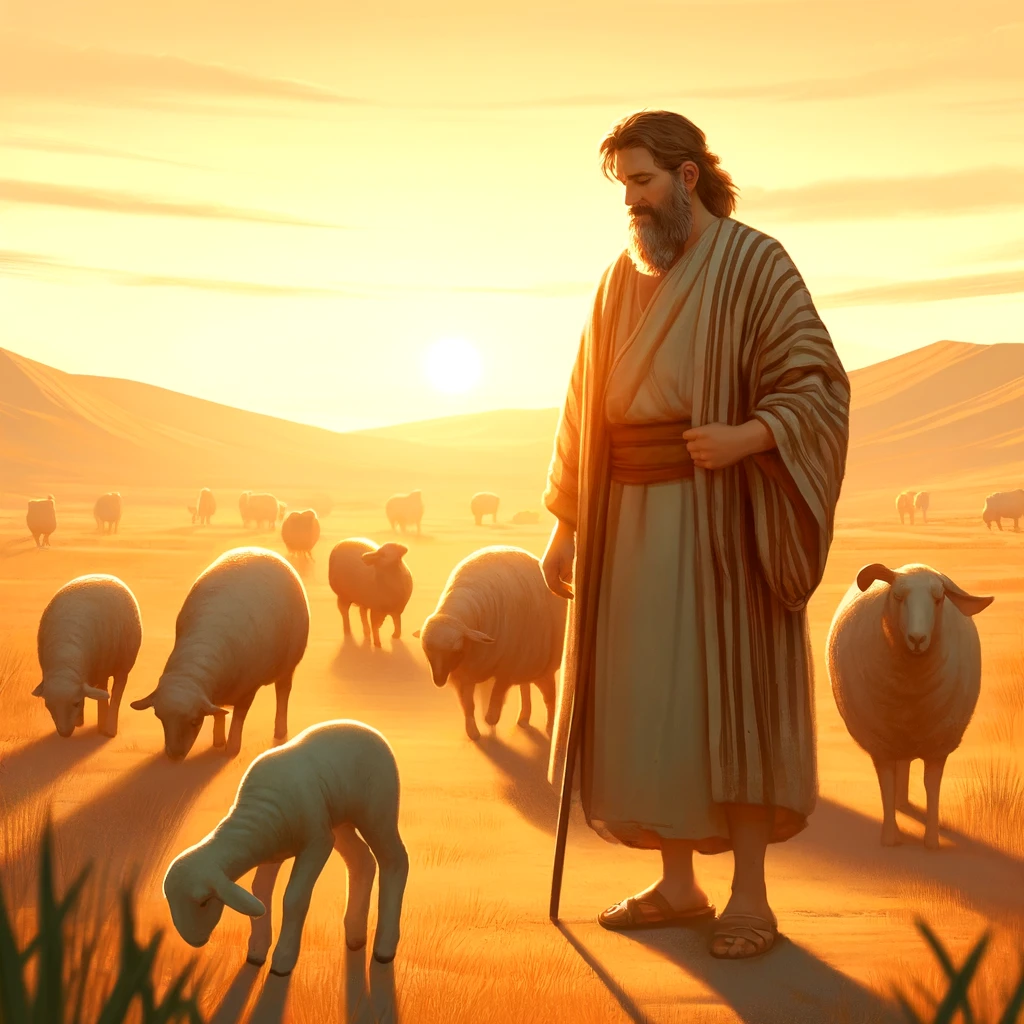
Before Moses could lead a nation to freedom, God had to lead Moses through a profound season of personal preparation.
Born during a time when Pharaoh had ordered the execution of all Hebrew baby boys, Moses’s life was saved when his mother placed him in a basket on the Nile River. In an incredible twist of divine providence, he was discovered and raised by Pharaoh’s own daughter. Moses grew up with all the wealth and education of an Egyptian prince, but his heart remained with his suffering people.
After a tragic mistake that forced him to flee into the desert, Moses spent 40 years living as a humble shepherd. It was there, at the burning bush, that God finally called him to be the deliverer of Israel. Moses was full of doubts and excuses—something many of us can relate to when God calls us out of our comfort zones! But God’s reassurance was simple: “I will be with you.” To dive deeper into his personal transformation and how God uses our past mistakes for His purpose, read our complete breakdown of [The Amazing Story of Moses: Prince to Prophet].
Here are the next three sections for your Pillar Page. I have kept the warm, relatable voice of Grace Shepherd, focusing on the emotional and practical takeaways for your female audience, while perfectly placing the internal links to pass SEO authority to your Spoke articles.
Confronting Pharaoh and The 10 Plagues
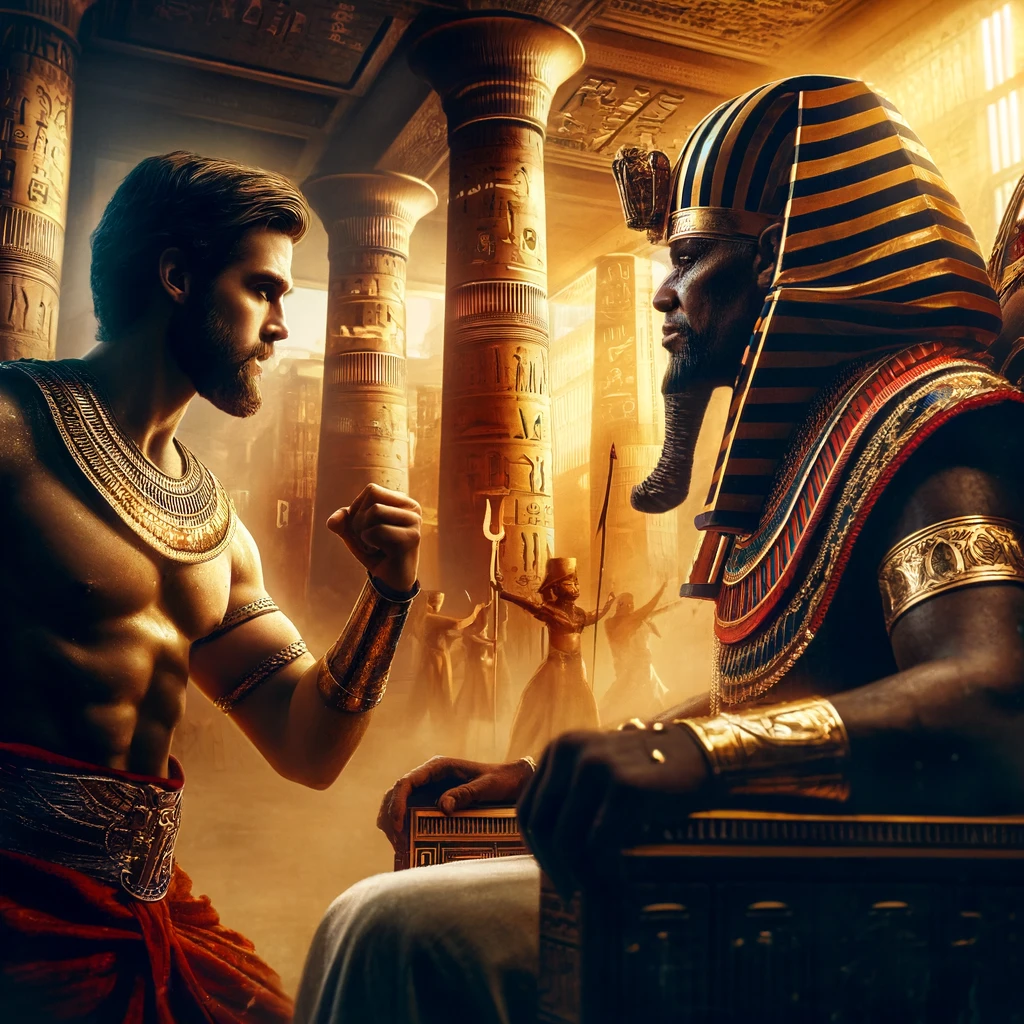
When Moses finally stood before Pharaoh with a simple demand from God—“Let my people go”—Pharaoh’s response was an arrogant refusal. What followed was a series of ten devastating plagues.
As women managing our own homes and families, we know what chaos feels like, but this was a divine dismantling of an entire nation’s false security. Each plague was not just a random disaster; it was carefully designed by God to defeat a specific Egyptian deity, proving once and for all that the God of Israel was the one true Lord.
Even as Pharaoh’s heart was hardened, God was at work, ensuring this story of ultimate deliverance would be remembered for generations. For a detailed look at each judgment, the specific gods they challenged, and what it means for our faith today, explore our guide on [What Are the 10 Plagues of Egypt?].
The Exodus and The Miracles in the Wilderness
After the final, heartbreaking plague of the firstborn, Pharaoh finally broke and released the Israelites. But the journey was just beginning. Imagine packing up your entire household, gathering your children, and setting out on foot to walk hundreds of kilometers through an unforgiving, barren desert!
When they reached the edge of the Red Sea with Pharaoh’s army suddenly changing their minds and closing in behind them, absolute panic set in. Yet, God parted the waters, making a clear path where there was absolutely no way forward. As they traveled deeper into the wilderness, God continued to provide daily—raining down manna from heaven to feed them and bringing fresh water pouring out of solid rock. God’s power was on full display during this entire journey. Discover the [7 Mind-Blowing Miracles of Moses] that sustained the Israelites when all hope seemed lost.
The Golden Calf and The Danger of Idolatry
You would think that after seeing the Red Sea part and eating bread from heaven, the Israelites would never doubt God again. But human nature is incredibly fragile. When Moses went up Mount Sinai to receive the Ten Commandments, he was gone for forty days. In his absence, the people grew restless, anxious, and deeply impatient.
They pooled their gold jewelry together, melted it down, and created a golden calf to worship instead. It is so easy for us to read this and judge them, but how often do we turn to our own “idols”—like our financial security, our social media feeds, or the approval of others—when we feel like God is taking too long to answer our prayers? This moment serves as a powerful warning for us today. Learn the [10 Powerful Lessons from the Golden Calf] and how to identify and avoid modern idolatry in your own heart and home.
Building the Tabernacle: God Dwelling Among Us
After the heartbreak of the golden calf, God did something incredibly beautiful to reassure the Israelites of His presence. He gave Moses meticulous, detailed instructions to build the Tabernacle—a magnificent, movable tent where God’s Spirit would physically dwell among them.
As women who put so much heart into creating warm, welcoming homes for our families, it is amazing to realize that God wanted a “home” right in the middle of His people’s camp. Every specific measurement, rich fabric color, and piece of furniture was carefully designed to point to His holiness and His deep desire for intimacy with us. The Tabernacle is a powerful reminder that God doesn’t just watch us from a distance; He wants to be right in the center of our daily lives, traveling with us through every single season and every wilderness we face.
Leadership Lessons from the Journey
Leading the Israelites through the wilderness was no small task. Moses wasn’t just guiding a few dozen people; he was responsible for an estimated two million men, women, and children, along with their livestock, across hundreds of kilometers of harsh desert.
As women, we often feel the heavy weight of leadership in our own lives—whether we are managing a household, leading a ministry, raising children, or navigating the complexities of the workplace. We can learn so much from Moses’s moments of burnout. When he tried to handle every single dispute and problem himself, his father-in-law, Jethro, had to step in and tell him his pace was unsustainable. Moses had to learn the vital importance of delegating and relying on God’s strength rather than his own limited energy.
If you are feeling overwhelmed by the people depending on you, or if you are leading a family or a business through a challenging season, you will want to read these [12 Powerful Leadership Lessons from Moses]. They are incredibly practical for our modern lives.
Conclusion: Applying the Book of Exodus to Your Life
The Book of Exodus reminds us that we serve a God of action. He doesn’t just watch from a distance; He steps into our mess, parts the seas of our impossible circumstances, and leads us toward the promises He has spoken over our lives.
Whether you are currently in your own “Egypt” waiting for deliverance, or wandering in a “wilderness” season waiting for direction, hold on to this truth: The same God who guided the Israelites with a pillar of cloud by day and a pillar of fire by night is guiding you right now.
Ready to build a consistent study habit? Don’t let the inspiration stop here. Head over to our Resource Library and download your [Free 30-Day Christian Prayer Journal] or grab our complete [52-Week Prayer & Devotional Journal] to keep your daily time with God focused and deeply rooted in Scripture.
Frequently Asked Questions About the Book of Exodus
What is the main message of the Book of Exodus?
The central theme of Exodus is deliverance and redemption. It demonstrates God’s supreme power over earthly rulers and His unwavering faithfulness to keep His covenant with His people by leading them out of slavery and into true freedom.
How long were the Israelites enslaved in Egypt?
The Israelites lived in Egypt for a total of 430 years. What began as a refuge during a severe famine in the time of Joseph eventually turned into brutal oppression and slavery under a new Pharaoh, which lasted until God called Moses to deliver them.
What were the 10 Plagues of Egypt in order?
The plagues were: Blood, Frogs, Gnats, Flies, Livestock, Boils, Hail, Locusts, Darkness, and the Firstborn. Each plague was specifically targeted to demonstrate God’s ultimate authority over the false gods of Egypt. (For a deeper study, read our full guide: [What Are the 10 Plagues of Egypt?])
Why did God harden Pharaoh’s heart?
This is one of the most common questions in Bible study. God hardened Pharaoh’s heart to demonstrate His ultimate power and sovereignty, ensuring that the deliverance of the Israelites would be remembered across history as a divine, undeniable miracle rather than a simple political negotiation.