

Introduction: Understanding Revelation and Its Importance
Hi friends! I’ll admit, the Book of Revelation used to intimidate me. With all its vivid imagery, mysterious symbols, and prophecies, it can feel overwhelming. But the more I’ve studied it, the more I’ve come to see its beauty and purpose. Revelation isn’t just a book about the end of the world—it’s a message of hope, redemption, and the ultimate victory of Christ.
In this guide, I want to take you on a journey through Revelation, exploring its meaning and how it applies to our lives today. Together, we’ll unpack its key themes, dive into its symbols, and uncover its rich spiritual truths. Whether you’re new to studying Revelation or you’ve read it many times, my prayer is that this guide will deepen your understanding and encourage you in your walk with Christ.
So grab your Bible, and let’s dive into this incredible book of prophecy together. It’s not as daunting as it seems—trust me, there’s so much joy to be found here!
What Is the Book of Revelation?
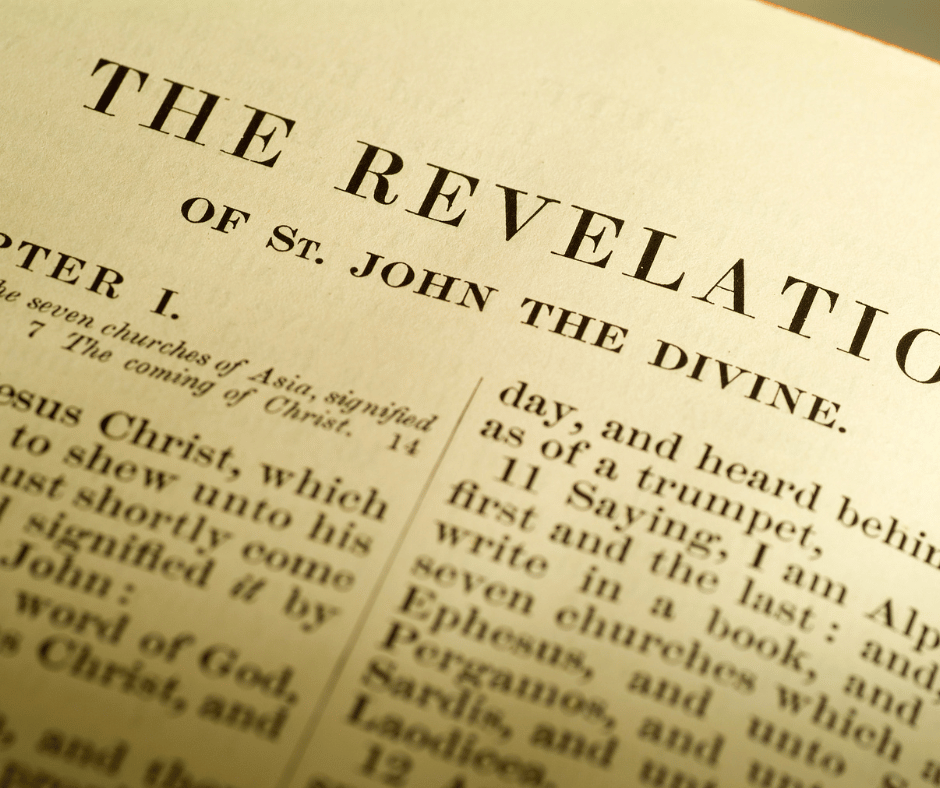
Let me start by saying that the Book of Revelation is one of the most fascinating and inspiring parts of Scripture. Written by the Apostle John while he was exiled on the island of Patmos, Revelation is a prophetic book filled with visions given to John by Jesus Christ. It’s the final book of the Bible, and it brings the entire biblical story to a dramatic and awe-inspiring conclusion.
Who Wrote Revelation and Why?
The Apostle John, often called the “disciple whom Jesus loved,” wrote Revelation. He penned it around 95 A.D., during his exile on Patmos. The purpose? To encourage and strengthen believers who were facing persecution, reminding them of the ultimate victory that belongs to Christ.
Why Is Revelation Important?
Revelation isn’t just about end-times prophecy; it’s a book of hope and assurance. It highlights God’s sovereignty, the reality of spiritual warfare, and the promise of a glorious future for those who remain faithful.
The Central Message of Revelation
At its core, Revelation tells the story of Jesus Christ’s triumph over sin, death, and evil. It’s a reminder that no matter how chaotic the world may seem, God’s plan is unfolding perfectly, and His people are secure in His hands.
Interpreting Revelation: Key Approaches
One of the most common questions people ask about Revelation is, “How do I interpret this?” And honestly, I’ve been there too! Revelation is filled with rich symbolism, and depending on how you approach it, the meanings can feel very different. Let’s break down the main approaches Christians use to interpret Revelation.
The Literal Interpretation
This approach views the events in Revelation as literal descriptions of what will happen in the future. For example, the seven seals, trumpets, and bowls are often seen as actual events that will unfold during the End Times. If you lean toward a straightforward reading of Scripture, this method might resonate with you.
The Symbolic or Allegorical Interpretation
On the other hand, some view Revelation as largely symbolic, filled with metaphors representing spiritual truths. For example, the dragon in Revelation 12 is often interpreted as a symbol for Satan, not a literal dragon. This perspective emphasizes the deeper spiritual meanings behind the imagery.
The Historical Perspective
This view sees Revelation as describing events that were happening in the early church during John’s time. The letters to the seven churches, for instance, are seen as addressing specific issues those churches faced, but with timeless lessons for us today.
The Futurist View
If you’ve ever heard someone say Revelation is a roadmap for the End Times, they’re likely using the futurist view. This interpretation sees the majority of Revelation as prophecy about events that are yet to occur, such as the Great Tribulation, the Second Coming of Christ, and the final judgment.
Amillennial, Premillennial, and Postmillennial Views
Here’s where it gets a little deeper. These three views focus on how to understand the Millennium, the 1,000-year reign of Christ mentioned in Revelation 20. While amillennialists view the Millennium symbolically, premillennialists believe it’s a literal future event, and postmillennialists see it as a period that will lead to Christ’s return.
The Structure of Revelation
One of the things that helped me better understand the Book of Revelation was recognizing its structure. Revelation isn’t just a random collection of visions—it’s beautifully organized and flows with purpose. Let me break it down for you.
Chapters 1–3: Letters to the Seven Churches
Revelation opens with messages from Jesus to seven churches in Asia Minor. These letters are packed with encouragement, correction, and promises. They remind us that even in the midst of trials, Jesus walks with His Church. I love how these letters still speak to us today, challenging us to remain faithful and steadfast.
➡️ If you want to dive deeper into the strengths, weaknesses, and lessons from each church, check out our full breakdown: What Do the 7 Churches in Revelation Teach? Full Guide.
Chapters 4–5: The Heavenly Throne Room
Next, John is taken into a vision of heaven, where he sees God’s throne, surrounded by worship and glory. This part always fills me with awe—what a powerful reminder of who God is and the worship He deserves! It also introduces the Lamb, Jesus, who is worthy to open the scroll.
Chapters 6–18: The Tribulation
This section can feel overwhelming because it’s filled with vivid imagery and descriptions of judgment, including the seven seals, trumpets, and bowls of wrath. But even here, we see God’s justice and His desire to call people to repentance. For me, it’s a sobering reminder of the urgency of sharing the gospel.
Chapters 19–22: The Second Coming and New Creation
The final chapters of Revelation are my favorite—they’re filled with hope! They describe Jesus’ triumphant return, the defeat of evil, and the creation of a new heaven and a new earth. I get chills every time I read about the New Jerusalem, where God will dwell with His people forever. No more tears, no more pain—what a promise!
Seeing Revelation in this structured way really helped me appreciate its flow and message. It’s like a story with a beginning, a middle, and an amazing ending that leaves us full of hope.
Key Symbols in Revelation and What They Mean
One of the most captivating aspects of Revelation is its use of symbols. At first glance, the imagery can seem strange or even confusing, but these symbols are rich with meaning. Let me walk you through some of the most significant ones and how they reveal God’s truth.
The Seven Seals, Trumpets, and Bowls
These represent a series of judgments unleashed during the Tribulation. Each seal, trumpet, and bowl symbolizes escalating events leading to the final judgment. While they can seem frightening, they remind us of God’s justice and His ultimate plan to restore creation.
The Beast, the Dragon, and the False Prophet
These figures symbolize the forces of evil that oppose God. The dragon represents Satan, the beast is often seen as a corrupt world leader, and the false prophet points to deceptive spiritual authority. Together, they form a counterfeit trinity, highlighting the ongoing battle between good and evil.
📖 To learn more about how these symbols relate to the Antichrist, visit 👉 The Truth About the Antichrist: Are We in the End Times?.
📖 Want to understand the connection between the Beast and his mysterious mark? Read 👉 The Mark of the Beast – What Does Revelation Really Say?.
The New Jerusalem
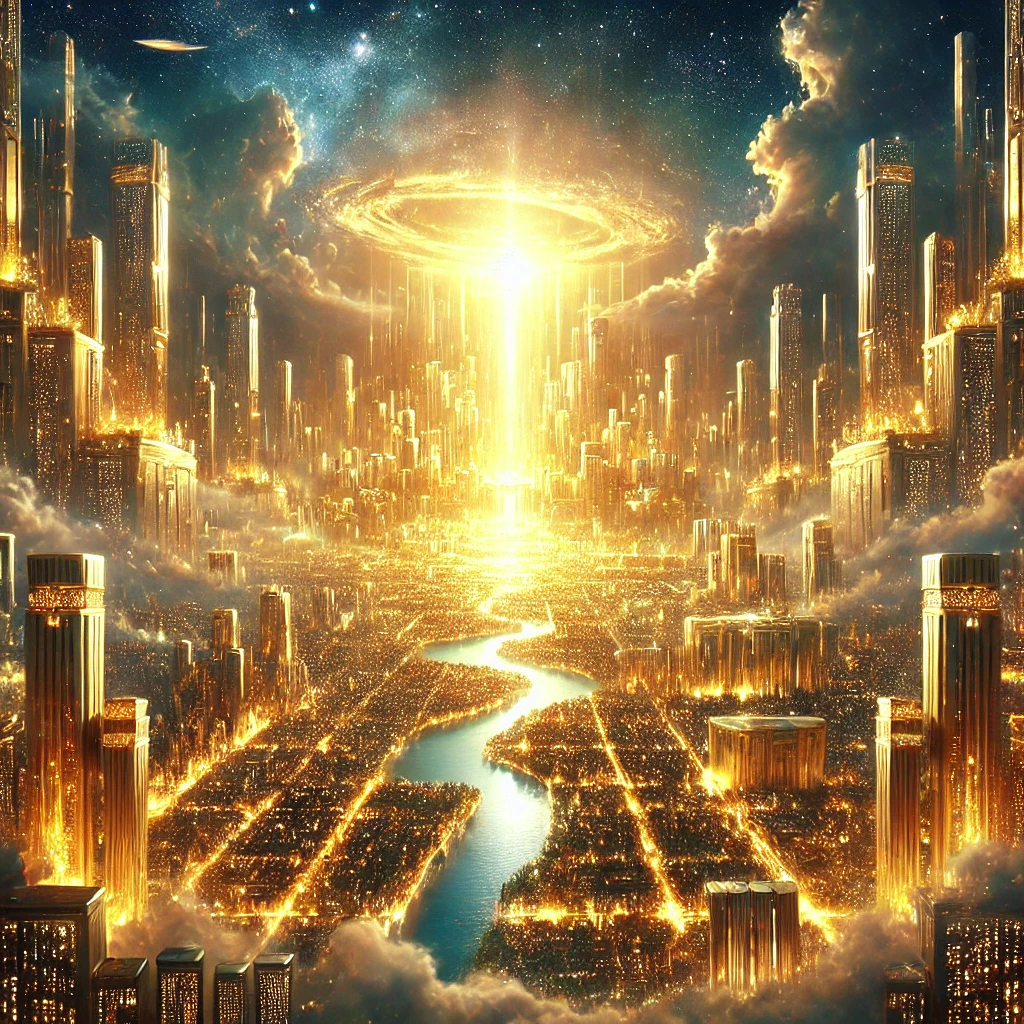
This stunning vision represents the eternal dwelling place of God and His people. The New Jerusalem is described as a city of pure gold with gates of pearl and foundations of precious stones. For me, it’s a beautiful reminder of the hope and glory awaiting us in eternity.
Numbers in Revelation: 7, 12, and 144,000
Numbers play a significant role in Revelation. The number 7 symbolizes completeness and perfection, appearing in references like the seven churches, seals, and trumpets. The number 12 often represents God’s people, such as the 12 tribes of Israel or the 12 apostles. The 144,000 is seen by many as a symbolic representation of believers who remain faithful.
What I love about these symbols is how they point us to God’s power, justice, and ultimate victory. While some of the imagery can feel heavy, I find hope in knowing that God is in control and that His plan is perfect.
Major Themes in Revelation
Revelation isn’t just a book of prophecy; it’s a treasure trove of profound spiritual themes that encourage, challenge, and inspire us as believers. Let’s dive into some of the major themes that stand out in this incredible book.
God’s Sovereignty
One of the clearest messages in Revelation is that God is in control—over history, over creation, and over the future. Even as chaos unfolds on earth, the throne in heaven remains unshaken. This theme gives me such peace, knowing that no matter what happens, God’s plans cannot be thwarted.
Judgment and Justice
Revelation doesn’t shy away from showing us the reality of God’s judgment. It’s a sobering reminder that sin has consequences, and God’s justice will prevail. But it also shows us His patience—He gives people every opportunity to repent before judgment comes.
Before these final judgments take place, the Bible gives us clear warnings and prophetic signs to watch for. From wars and disasters to moral decline and global events, these End Times signs in the Bible help us recognize the season we are living in.
📖 To explore these signs and their meaning, check out our full breakdown: 👉 End Times Signs in the Bible: What You Need to Know.
Hope and Redemption
Amidst the warnings and judgments, there’s a beautiful thread of hope running through Revelation. The Lamb who was slain has redeemed His people, and the final chapters give us a glimpse of the eternal joy and peace that await us in God’s presence. For me, this theme is like a lighthouse in the storm, guiding me toward hope.
The Ultimate Triumph of Christ
Revelation is the ultimate story of victory. It reminds us that Jesus is the Alpha and the Omega, the beginning and the end. He has already won the battle over sin and death, and His victory will be fully realized when He returns. One of the greatest events tied to His return is the gathering of believers, often referred to as the Rapture.
If you’re wondering, What is the Rapture and when will it happen? Learn more here: 👉What Is the Rapture? A Biblical Perspective.
How Revelation Applies to Us Today
You might be wondering, “How does a book filled with visions, symbols, and prophecies apply to my everyday life?” I’ve asked myself the same question, and as I’ve studied Revelation, I’ve discovered its relevance is profound. Here’s how this incredible book speaks to us today.
Living in Anticipation of Christ’s Return
Revelation reminds us that Jesus is coming back, and that truth changes everything. It calls us to live with a sense of urgency and purpose, focusing on what truly matters—our relationship with God and sharing His love with others. For me, it’s a constant reminder to live each day as if it could be the day He returns.
Staying Faithful Amidst Trials
The early Christians who received this book were facing intense persecution, and Revelation encouraged them to stand firm in their faith. Today, we may not face the same trials, but challenges and temptations abound. Revelation inspires me to persevere, knowing that God is with me and the ultimate victory belongs to Him.
Avoiding Misinterpretations and Sensationalism
Let’s be honest—Revelation has been the subject of many wild speculations and misinterpretations. I believe it’s important to approach it with humility, prayer, and a focus on what God wants to teach us. For me, this means not getting caught up in trying to predict timelines, but instead focusing on the heart of the message: God’s sovereignty and the hope of Christ’s return.
Trusting God’s Plan
When the world feels chaotic and uncertain, Revelation reminds us that God is in control. Every event, every detail, is part of His perfect plan. That truth has been such a source of comfort to me, especially during tough seasons. Revelation teaches us to trust in God’s timing and His ultimate purpose for our lives.
Common Questions About Revelation
Revelation sparks so much curiosity, and understandably so—it’s a book full of mystery and depth. Over the years, I’ve heard many questions about it, and I’d love to address some of the most common ones here. Let’s explore these together!
Why Is Revelation So Difficult to Understand?
Revelation’s rich symbolism and apocalyptic style can feel overwhelming. Unlike the straightforward narratives in other parts of the Bible, Revelation uses visions, numbers, and imagery that require deeper study. I’ve found that prayer, seeking guidance from trusted commentaries, and discussing it with other believers make it much easier to grasp.
Is Revelation Unfolding in Today’s World Events?
This is a big question! While some people see parallels between Revelation and current events, it’s important not to jump to conclusions. Jesus Himself said that no one knows the day or the hour of His return (Matthew 24:36). For me, the key takeaway is to stay spiritually prepared and trust in God’s timing.
How Should Christians Prepare for the End Times?
This question really gets to the heart of Revelation’s message. The best way to prepare isn’t by stockpiling resources or trying to decode every prophecy—it’s by staying close to Jesus. Living a life of faith, prayer, and obedience is the most meaningful preparation we can make. Personally, I focus on deepening my relationship with Christ and sharing His love with others.
What Does Revelation Teach Us About Heaven?
Revelation gives us a breathtaking glimpse of heaven—the New Jerusalem, where God will dwell with His people. I love the promise in Revelation 21:4 that “He will wipe every tear from their eyes.” It’s a beautiful reminder that heaven is a place of eternal joy, peace, and fellowship with God.
Revelation’s Message of Hope and Victory
As we come to the end of this guide, I hope you’ve discovered that the Book of Revelation isn’t as intimidating as it might seem. Yes, it’s filled with symbols and prophecies, but at its heart, Revelation is a message of hope, victory, and God’s unfailing love for His people.
For me, studying Revelation has been a journey of faith—a reminder that no matter how chaotic the world feels, God’s plan is unfolding perfectly. It’s a call to live with urgency, staying faithful to Christ and sharing His love with others. And most importantly, it’s a promise that one day, Jesus will return, and we will dwell with Him forever.
So, what’s next for you? Maybe it’s diving deeper into Revelation on your own or discussing it with your small group. My prayer is that this guide inspires you to explore God’s Word with fresh eyes and a hopeful heart.
Let’s hold onto the promise found in Revelation 22:20: “He who testifies to these things says, ‘Yes, I am coming soon.’ Amen. Come, Lord Jesus.” Isn’t that such a beautiful assurance?
Recommended Resource: Fifty Signs of the End Times
Are we living in the last days? Fifty Signs of the End Times: Are We Living in the Last Days? by David Scott Nichols explores this critical question by diving deep into biblical prophecy. This book offers a comprehensive analysis of the signs of the end times and how they relate to today’s world, making it an invaluable resource for anyone seeking clarity and biblical truth.
Key Features:
- Examines 50 key signs mentioned in Scripture.
- Explains their relevance to current events.
- Provides practical insights for spiritual preparation.
Here’s how you can learn more and get your copy:

Fifty Signs of the End Times: Are We Living in the Last Days?
By David Scott Nichols / WestBow Press
This book explores 50 key signs of the end times, offering insights into how biblical prophecy connects to today’s world. A must-read for anyone interested in understanding the last days through Scripture.