


Have you ever sat down with your Bible, reading through the story of Exodus, and wondered, “Why did God send the 10 plagues?” or “What was He trying to teach through them?” I remember the first time I read about the 10 Plagues of Egypt—I was both amazed and a little overwhelmed. The sheer scale of God’s power was undeniable, but I couldn’t help but feel there was more beneath the surface than just punishment and plagues.
The truth is, these plagues weren’t random acts of destruction. They were powerful, intentional messages from God—demonstrating His sovereignty, exposing the false idols of Egypt, and most importantly, setting His people free. Each plague was a direct challenge to Egypt’s gods, showing that there is only one true God who holds ultimate authority over creation.
As I studied this story deeper, I realized how much these ancient events still speak to us today. They remind us of God’s justice, yes, but also His patience, mercy, and unwavering love for His people. If you’re interested in exploring the broader context of this journey, check out my complete pillar post, [Exploring Exodus: A Biblical Guide to Faith and Freedom], where I dive into Moses’ calling and God’s incredible plan of deliverance.
Want to deepen your daily study of the Word? Before we dive into the plagues, make sure you have the right tools for your quiet time! Head over to our Resource Library to download your [Free 30-Day Christian Prayer Journal], or grab our beautifully structured [52-Week Prayer & Devotional Journal] to keep your daily reading focused and intentional.
In this article, we’ll walk through the 10 Plagues of Egypt in order, unpack the meaning behind each one, and reflect on the powerful lessons they still hold for us as believers today. Let’s dive into this incredible story of faith, freedom, and God’s unstoppable power!
Overview: The 10 Plagues of Egypt Explained
Before we dive into each of the 10 Plagues of Egypt, it’s important to understand the bigger picture. The story of the plagues isn’t just about God displaying His power through dramatic events—it’s a powerful narrative about freedom, faith, and God’s unrelenting pursuit of His people.
In the Book of Exodus, God calls Moses to lead the Israelites out of Egypt, where they had been enslaved for over 400 years. Pharaoh, however, hardened his heart and refused to let them go. That’s when God stepped in, sending a series of ten plagues to break Pharaoh’s will and reveal His supreme authority—not just to Egypt but to the Israelites and the entire world.
I’ve often thought about how stubborn Pharaoh was during this whole ordeal. Even after witnessing the devastation of each plague, he still refused to humble himself before God. It’s a sobering reminder of how pride can blind us, even when the truth is right in front of us.
What’s incredible, though, is that these plagues weren’t just about judgment. They also revealed God’s mercy. Throughout the plagues, God gave Pharaoh multiple chances to repent and let the Israelites go. And for the Israelites, the plagues were signs of God’s faithfulness—proof that He was fighting for them and would ultimately lead them to freedom.
The 10 Plagues of Egypt in Order
Before we dive deeper into each plague, here’s a quick overview of the 10 Plagues of Egypt in order. This table highlights the name of each plague, a brief description, and where you can find it in the Book of Exodus.
Quick Reference Table:
| Plague Number | Plague Name | Description | Scripture Reference |
| 1 | Water Turned to Blood | The Nile River and all water sources turned to blood. | Exodus 7:14-24 |
| 2 | Plague of Frogs | Frogs overran Egypt, invading homes and public spaces. | Exodus 8:1-15 |
| 3 | Plague of Lice or Gnats | Dust turned into lice/gnats, covering people and animals. | Exodus 8:16-19 |
| 4 | Plague of Flies | Swarms of flies filled Egyptian homes and land. | Exodus 8:20-32 |
| 5 | Plague on Livestock | Disease struck livestock, killing Egyptian animals. | Exodus 9:1-7 |
| 6 | Plague of Boils | Painful boils broke out on Egyptians and their animals. | Exodus 9:8-12 |
| 7 | Plague of Hail | A deadly hailstorm destroyed crops, livestock, and homes. | Exodus 9:13-35 |
| 8 | Plague of Locusts | Swarms of locusts devoured remaining crops and plants. | Exodus 10:1-20 |
| 9 | Plague of Darkness | Thick darkness covered Egypt for three days. | Exodus 10:21-29 |
| 10 | Death of the Firstborn | Every Egyptian firstborn—human and animal—was struck dead. | Exodus 11:1–12:36 |
As I look over this list, I can’t help but be amazed at how intentional each plague was. God didn’t just pick random disasters—each one challenged Egypt’s gods and showed that He alone holds power over creation.
The 10 Plagues of Egypt Explained in Detail
Now that we’ve gone over the 10 Plagues of Egypt in order, let’s dive deeper into each one. As I was studying these plagues, I realized that they weren’t just random acts of judgment—they carried powerful messages, each one revealing more about God’s character, His justice, and His mercy.
1. Water Turned to Blood (Exodus 7:14-24)

The first plague struck at the very heart of Egypt—the Nile River, their lifeline. God turned the Nile’s waters into blood, killing fish and leaving the river foul-smelling and undrinkable. This was a direct challenge to Egypt’s river gods, especially Hapi, the god of the Nile.
I remember thinking how devastating this must have been for the Egyptians, whose entire way of life revolved around the Nile. Yet, this plague reminds us that God holds authority over life itself—no earthly source of power can stand against Him.
Key Lesson: God alone is the source of life, and trusting in anything else will ultimately fail us.
2. Plague of Frogs (Exodus 8:1-15)

Next came frogs—everywhere. In homes, kitchens, bedrooms, even in Pharaoh’s palace! Frogs were sacred in Egyptian culture, associated with the goddess Heqet, who symbolized fertility and life. But God turned their symbol of life into a curse.
What stood out to me here was Pharaoh’s response. He begged Moses to ask God to remove the frogs but then hardened his heart again. It’s such a human reaction, isn’t it? We call on God when things go wrong but quickly forget once the crisis passes.
Key Lesson: God’s authority extends even over what we idolize. We must stay faithful, even when life returns to “normal.”
3. Plague of Lice or Gnats (Exodus 8:16-19)
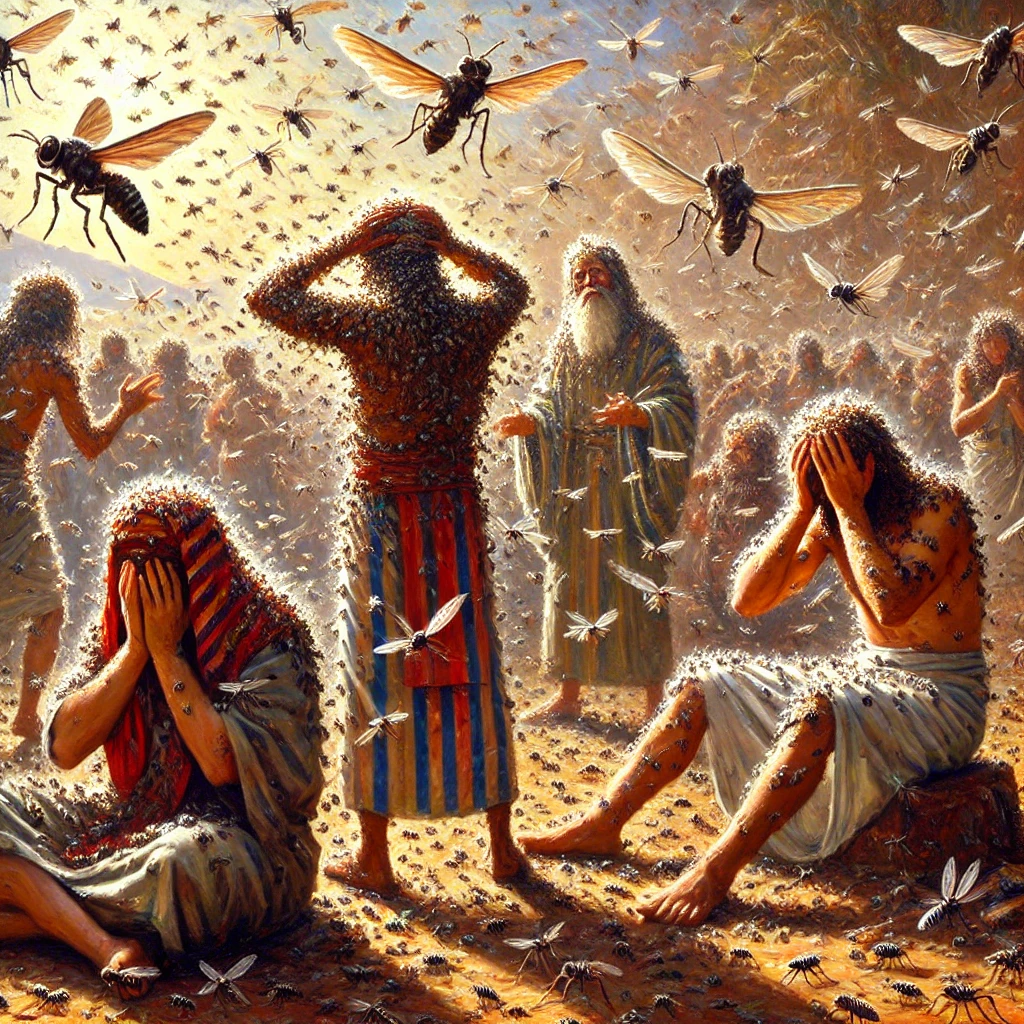
This plague turned dust into lice or gnats, which covered people and animals. Egyptian magicians tried to replicate this plague but couldn’t, admitting, “This is the finger of God.”
This part always humbles me. Even the wisest magicians had to acknowledge God’s hand in this. It reminds me that no amount of human wisdom or power can rival God’s sovereignty.
Key Lesson: We must recognize our limitations and submit to God’s greater power.
4. Plague of Flies (Exodus 8:20-32)
Swarms of flies descended upon Egypt, filling homes and ruining daily life. But here’s the interesting part—God spared the land of Goshen, where the Israelites lived. This plague was the first clear distinction between God’s people and the Egyptians.
I love this reminder of God’s protection over His people. Even in times of chaos, He sets us apart and shields us from harm.
Key Lesson: God watches over His people and offers protection even in the darkest times.
5. Plague on Livestock (Exodus 9:1-7)
This plague struck Egypt’s economy hard. Disease killed their cattle, sheep, goats, and camels—all vital to their food supply and daily life. Yet, none of the Israelites’ livestock was harmed.
Egyptians worshiped gods represented by animals, like Apis the bull and Hathor the cow goddess. This plague dismantled their trust in false gods and showed that even their economy wasn’t immune to God’s power.
Key Lesson: We can’t place our security in material things—our true provision comes from God.
6. Plague of Boils (Exodus 9:8-12)
Next came painful boils that afflicted both Egyptians and their animals. Even the magicians who had previously mimicked the plagues were now too sick to stand before Moses. Their pride was broken.
This plague speaks to human vulnerability. No matter how advanced or powerful we think we are, our health and well-being are ultimately in God’s hands.
Key Lesson: Our strength is limited, but God’s power is infinite. We need Him in our weakness.
7. Plague of Hail (Exodus 9:13-35)

A massive hailstorm swept through Egypt, destroying crops, livestock, and homes—everything left out in the open was obliterated. But again, God spared His people in Goshen.
What I find beautiful here is that God warned Pharaoh and the Egyptians to bring their livestock indoors to avoid harm. Even amid judgment, God extended mercy to those willing to listen.
Key Lesson: God offers mercy, even in times of judgment. It’s up to us to respond.
8. Plague of Locusts (Exodus 10:1-20)
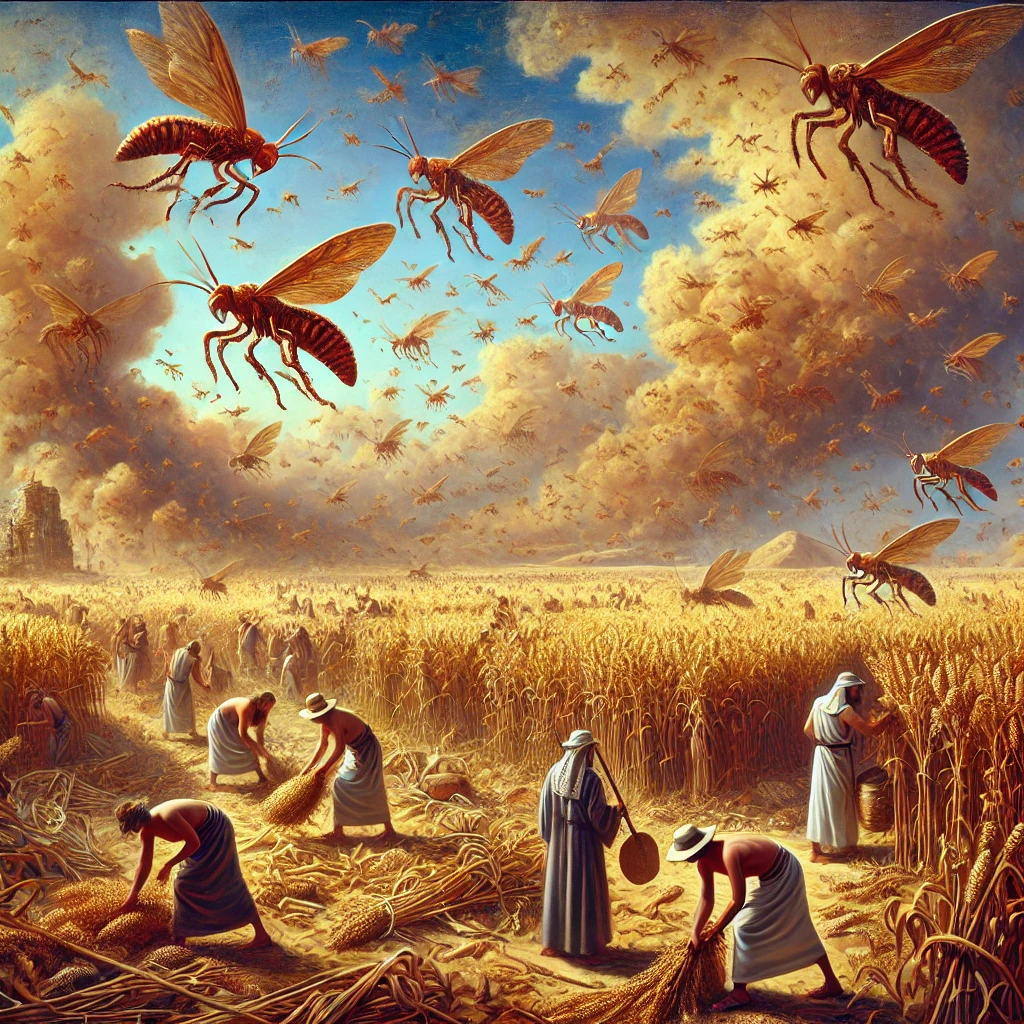
If the hail hadn’t destroyed Egypt’s crops, the locusts finished the job. Swarms of locusts devoured everything in sight, leaving Egypt barren. Pharaoh, once again, asked Moses to pray for the plague to end, but his repentance was short-lived.
This cycle of temporary repentance is so relatable. How often do we turn to God in crisis but fall back into old patterns once the storm passes?
Key Lesson: Genuine repentance leads to lasting change, not just temporary relief.
9. Plague of Darkness (Exodus 10:21-29)
A thick darkness covered Egypt for three days—so intense that no one could even see or leave their homes. But, in Goshen, the Israelites had light.
This plague directly challenged Ra, Egypt’s sun god. It also symbolized spiritual darkness—the more Pharaoh rejected God, the deeper into darkness he fell.
Key Lesson: Without God, we walk in darkness. His light is what guides us to freedom.
10. Death of the Firstborn (Exodus 11:1–12:36)
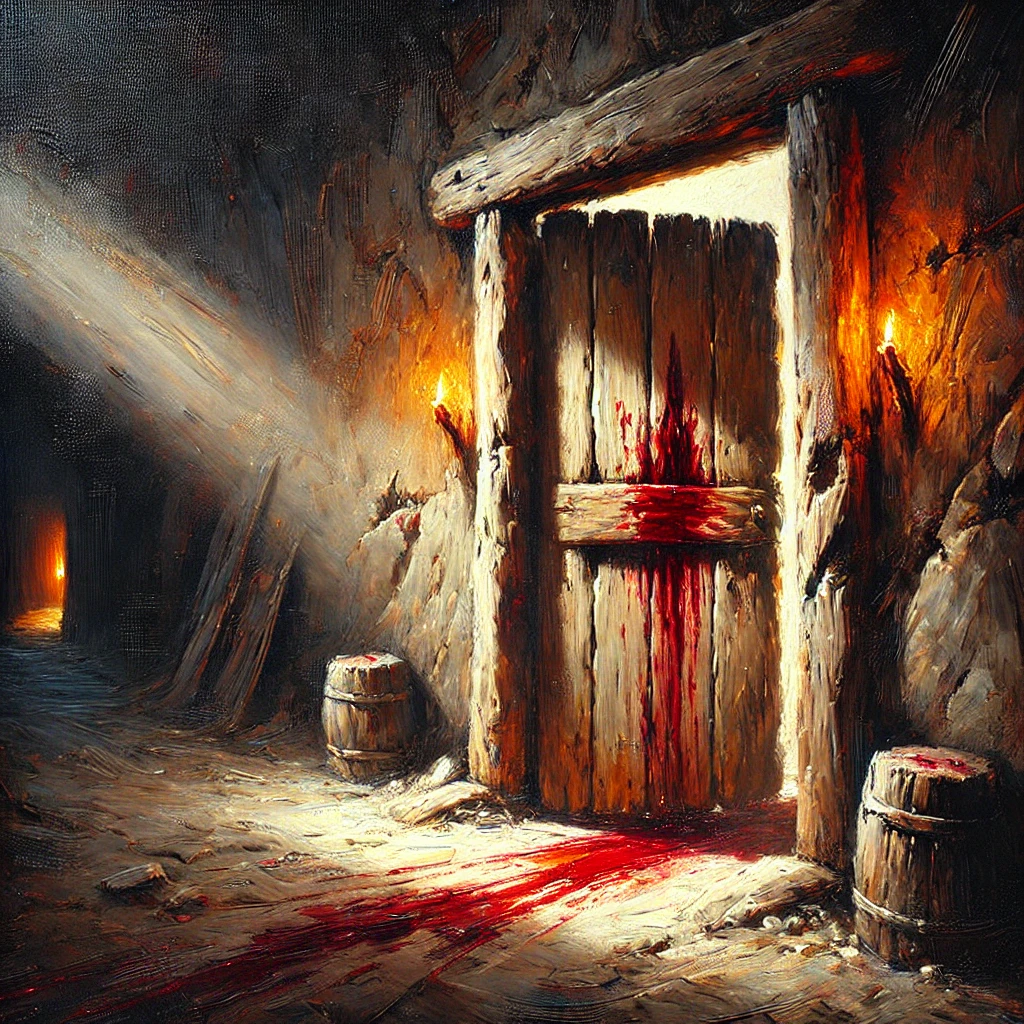
The final and most devastating plague—the death of every Egyptian firstborn—was the one that finally broke Pharaoh’s will. But God gave the Israelites a way to be spared: they were to sacrifice a spotless lamb and paint its blood over their doorposts, so the angel of death would pass over their homes.
This moment is so profound—it’s the origin of Passover and a foreshadowing of Jesus, the Lamb of God, who would later die to save us.
Key Lesson: True freedom and salvation come through the blood of the Lamb.
Reading through these plagues always leaves me in awe of God’s power, but even more so, His patience and mercy. He gave Pharaoh ten chances to repent! And yet, Pharaoh’s hardened heart led to Egypt’s devastation.
Why Did God Send the 10 Plagues of Egypt?
This question has always made me pause: Why did God send the 10 plagues? Was it just to punish Egypt? Or was there something deeper at play?
The truth is, the 10 Plagues of Egypt were about much more than punishment—they were a divine message filled with purpose, justice, and mercy.
To Demonstrate God’s Sovereignty Over All Creation
At its core, the plagues were God’s way of revealing His ultimate authority—not just to Pharaoh, but to the Egyptians, the Israelites, and the surrounding nations. Egypt was the most powerful empire at the time, and Pharaoh considered himself a god. But the plagues dismantled that illusion.
Each plague directly challenged Egypt’s false gods. For example, the Nile River, which turned to blood, was worshiped as a deity. The plague of darkness struck at Ra, the sun god. One by one, God showed that He alone is Lord over all creation.
This is a humbling reminder for me personally. It’s easy to put our trust in worldly things—success, money, even people—but ultimately, only God holds true power.
To Break Pharaoh’s Hardened Heart
Pharaoh’s heart was hard from the start, but the plagues exposed the depth of his pride and rebellion. Despite seeing God’s power firsthand, Pharaoh continued to resist.
Exodus 9:12 says, “But the Lord hardened Pharaoh’s heart, and he did not listen to them, as the Lord had spoken to Moses.”
This has always been a tough verse for me. Why would God harden Pharaoh’s heart? After studying it, I’ve come to understand that God allowed Pharaoh to follow his own stubbornness, using it as part of His greater plan.
It’s a powerful lesson in free will and how resisting God can lead to devastating consequences.
To Free the Israelites from Bondage
God’s ultimate goal was freedom—to release His people from 400 years of slavery in Egypt. He had made a covenant with Abraham, Isaac, and Jacob, and now it was time to fulfill that promise.
Exodus 6:6 says, “I am the Lord, and I will bring you out from under the yoke of the Egyptians. I will free you from being slaves to them, and I will redeem you with an outstretched arm and with mighty acts of judgment.”
I find this so encouraging. God isn’t distant or detached—He sees our pain, hears our cries, and acts on our behalf. Just like He delivered the Israelites, He offers us freedom from whatever holds us captive today—whether it’s fear, sin, or even feelings of unworthiness.
To Foreshadow the Ultimate Redemption Through Christ
One of the most beautiful connections in this story is how the Passover during the tenth plague points directly to Jesus.
The Israelites were saved by the blood of a spotless lamb painted on their doorposts. This foreshadows Jesus, the Lamb of God, whose blood saves us from sin and death.
1 Corinthians 5:7 says, “For Christ, our Passover lamb, has been sacrificed.”
It’s incredible how God wove this story of redemption thousands of years before Jesus came to earth. It’s a testament to His perfect plan and His deep love for us.
A Call to Reflect
As I reflect on why God sent the 10 plagues, I’m reminded that God’s actions are always layered with justice, mercy, and love. He gives chances to repent, but He also stands firm in defending His people and His promises.
The plagues challenge us to look inward—Are there areas where my heart is hardened? Am I trusting in false idols instead of God?
The good news? God’s mercy is always available when we turn to Him with open hearts.
Passover and the Tenth Plague: A Lasting Legacy
The final plague—the Death of the Firstborn—was devastating, but it also marked a turning point in the story of God’s people. It wasn’t just the moment that finally broke Pharaoh’s will; it was the beginning of a tradition that still holds incredible significance today: Passover.
I remember the first time I truly understood the meaning of Passover—it was like a light bulb went on. It’s more than just an ancient ritual; it’s a beautiful picture of God’s mercy and His plan for ultimate redemption.
The Origin of Passover
Before the final plague struck, God gave the Israelites specific instructions. They were to take a spotless lamb, sacrifice it, and paint its blood on the doorposts of their homes. This signaled to the angel of death to “pass over” their houses, sparing their firstborn children.
Exodus 12:13 says, “The blood will be a sign for you on the houses where you are, and when I see the blood, I will pass over you. No destructive plague will touch you when I strike Egypt.”
What stands out to me here is the simplicity of the act. The Israelites didn’t have to perform elaborate rituals or prove their worthiness—they just had to trust God and obey His command. It’s such a powerful reminder that faith and obedience go hand in hand.
Passover as a Symbol of Redemption
Passover isn’t just a commemoration of that night in Egypt—it’s a profound symbol of redemption.
The spotless lamb that was sacrificed became a foreshadowing of Jesus Christ, the Lamb of God, who would one day shed His blood for the sins of the world.
John 1:29 says, “Behold, the Lamb of God, who takes away the sin of the world!”
Just as the blood of the lamb saved the Israelites from death, the blood of Jesus offers us eternal life. I find so much comfort in this connection—it’s a beautiful thread that ties the Old and New Testaments together in God’s perfect plan.
Passover’s Lasting Legacy in Christian Faith
For Jewish people, Passover remains a sacred time to remember God’s deliverance from Egypt. But for Christians, it also holds deep significance because of its connection to Jesus.
During the Last Supper, Jesus shared a Passover meal with His disciples. It was during this meal that He established what we now call Communion or the Lord’s Supper, symbolizing His body and blood sacrificed for us.
Luke 22:19-20 says, “And He took bread, gave thanks and broke it, and gave it to them, saying, ‘This is My body given for you; do this in remembrance of Me.’ In the same way, after the supper He took the cup, saying, ‘This cup is the new covenant in My blood, which is poured out for you.’”
Every time I take Communion, I’m reminded of this powerful connection. It’s not just a ritual—it’s a moment to reflect on the ultimate sacrifice that brings us freedom.
What Passover Teaches Us Today
Passover is more than a historical event—it’s a reminder of God’s faithfulness. It shows us that God is a deliverer, a protector, and a redeemer.
It also invites us to reflect on our own lives. Just like the Israelites needed the blood of the lamb to be saved, we need the blood of Jesus to cover our sins. It’s a humbling and beautiful truth that still resonates today.
The story of the 10 Plagues of Egypt and the institution of Passover remind us that God is always at work—even in the darkest moments—leading His people to freedom and redemption.
Lessons from the 10 Plagues for Believers Today
Whenever I read about the 10 Plagues of Egypt, I’m struck by how relevant they still are. Even though these events happened thousands of years ago, the spiritual truths woven into them speak directly to our hearts today. It’s more than just a story of God’s power over Pharaoh—it’s a story of God’s justice, mercy, and His deep desire for His people to walk in freedom.
Here are some of the powerful lessons I’ve learned from the 10 plagues that continue to shape my faith:
1. God’s Sovereignty Is Absolute
The plagues clearly demonstrated that God is in complete control over creation, history, and even the most powerful empires. Pharaoh believed he was a god, but the plagues shattered that illusion.
In my own life, I’ve noticed how easy it is to try and control everything—my plans, my future, even my faith. But the story of the plagues reminds me that God is the one in control, and surrendering to His will is the path to true peace.
Reflection: Where am I holding onto control instead of trusting God’s sovereignty?
2. Hardened Hearts Lead to Destruction
One of the most sobering parts of the Exodus story is Pharaoh’s hardened heart. Despite seeing miracle after miracle, he refused to submit to God, which ultimately led to Egypt’s downfall.
It’s made me wonder—Are there areas in my own heart where I’m resisting God? Maybe it’s a certain sin, a call I’m ignoring, or an area where pride has taken root. Pharaoh’s story reminds us that pride and stubbornness can blind us to God’s truth and lead us down dangerous paths.
Reflection: Am I softening my heart to God’s voice, or am I resisting Him in certain areas?
3. God’s Mercy Often Precedes His Judgment
One of the most beautiful aspects of the plagues is how God gave Pharaoh chance after chance to repent. Even as the plagues grew more severe, Moses continued to warn Pharaoh, giving him the opportunity to turn back.
This speaks volumes about God’s character. He is patient and merciful, even when we don’t deserve it. It’s easy to focus on the judgment in this story, but the mercy is just as powerful.
Reflection: Where have I experienced God’s mercy when I least deserved it?
4. God Protects and Provides for His People
Throughout the plagues, the Israelites in Goshen were spared from the destruction that ravaged Egypt. Flies, hail, and darkness bypassed their homes. And ultimately, the blood of the lamb protected them from death during the final plague.
This reminds me that God’s protection isn’t just something that existed in biblical times—it’s something we can trust in today. It doesn’t mean we won’t face hardships, but it does mean we have a God who watches over us and fights for us.
Reflection: Am I trusting in God’s protection, even when life feels chaotic?
5. True Freedom Comes Through Redemption
The ultimate goal of the plagues was freedom—to deliver the Israelites from slavery. But that freedom came at a cost—the blood of the Passover lamb.
This directly points us to Jesus, the Lamb of God, whose sacrifice brings us freedom from sin and death. It’s a reminder that true freedom isn’t about circumstances—it’s about being set free in our hearts and souls through Christ.
John 8:36 says, “So if the Son sets you free, you will be free indeed.”
Reflection: Am I walking in the freedom Christ has given me, or am I still chained to old habits and fears?
6. God Uses Difficulties to Strengthen Our Faith
The Israelites witnessed incredible miracles during the plagues, but they also endured fear, uncertainty, and waiting. I can only imagine how nerve-wracking it must have been to hear about each new plague and wonder when their freedom would finally come.
In my own life, I’ve found that some of my greatest moments of growth have come through seasons of waiting and hardship. God uses these times to stretch our faith and prepare us for what’s ahead.
Reflection: How is God using my current challenges to strengthen my faith?
Applying These Lessons to Our Lives
The story of the 10 Plagues of Egypt isn’t just a historical account—it’s a call to examine our hearts, trust God’s plan, and embrace the freedom He offers through Christ.
As I reflect on this story, I’m reminded of God’s justice, but also His immense mercy. He is patient, loving, and always working behind the scenes—even when we can’t see it.
If you’re walking through a challenging season right now, take heart. The same God who delivered the Israelites is still delivering His people today. And His plans for you are filled with hope, freedom, and redemption.
Frequently Asked Questions About the 10 Plagues
As I dove deeper into the story of the 10 Plagues of Egypt, I realized there are so many fascinating details and lingering questions about these miraculous events. Over time, I’ve found myself asking some of these same questions, and I thought it would be helpful to answer them here for anyone exploring this story more deeply.
What Are the 10 Plagues of Egypt in Order?
The 10 Plagues of Egypt are listed in the Book of Exodus and occurred in the following order:
- Water Turned to Blood (Exodus 7:14–24)
- Plague of Frogs (Exodus 8:1–15)
- Plague of Lice or Gnats (Exodus 8:16–19)
- Plague of Flies (Exodus 8:20–32)
- Plague on Livestock (Exodus 9:1–7)
- Plague of Boils (Exodus 9:8–12)
- Plague of Hail (Exodus 9:13–35)
- Plague of Locusts (Exodus 10:1–20)
- Plague of Darkness (Exodus 10:21–29)
- Death of the Firstborn (Exodus 11:1–12:36)
Each plague served a unique purpose, directly challenging Egypt’s gods and revealing God’s ultimate authority.
Why Did God Choose These Specific Plagues?
One of the most fascinating aspects of the plagues is how intentional they were. Each plague wasn’t random—it directly confronted Egypt’s gods and the things they held sacred.
For example:
- The Nile turning to blood challenged Hapi, the god of the Nile.
- The plague of frogs targeted Heqet, the frog-headed goddess of fertility.
- The darkness was a direct challenge to Ra, the sun god.
God was making it clear that He alone holds ultimate power and authority, dismantling Egypt’s belief system and exposing the futility of their idols.
How Long Did the 10 Plagues of Egypt Last?
The Bible doesn’t give exact timelines for how long the plagues lasted, but scholars estimate that they unfolded over several months, possibly close to a year.
Some plagues, like the plague of darkness, lasted for three days, while others, like the plague of frogs or locusts, likely spanned several days to a week. The process wasn’t immediate—it allowed Pharaoh multiple chances to repent, highlighting God’s patience and mercy even in judgment.
Did the 10 Plagues Really Happen?
This is a common question, and it’s one I’ve asked myself too. As believers, we trust the Bible’s account, but it’s interesting to note that even historians and archaeologists have explored evidence of the plagues.
Some suggest natural explanations—like red algae turning water red or locust swarms being part of natural cycles—but these theories fall short of explaining the specific timing and miraculous nature of the events.
For me, the most compelling evidence is how intentional the plagues were and how they aligned perfectly with God’s purpose to free His people. Whether through natural or supernatural means (or both), God’s hand was clearly at work. For a deeper dive into these discussions, you might find this article from HISTORY insightful: What Caused the 10 Plagues of Egypt?
Why Did God Harden Pharaoh’s Heart?
This is one of the most challenging questions about the plagues. Throughout Exodus, we read that Pharaoh hardened his own heart (Exodus 8:15) and that God hardened Pharaoh’s heart (Exodus 9:12).
So, which was it?
I believe it was a combination. Pharaoh started by hardening his own heart, stubbornly refusing to submit to God. Eventually, God allowed Pharaoh’s heart to remain hardened as part of His larger plan—to demonstrate His power and make His name known throughout the world.
Exodus 9:16 says, “But I have raised you up for this very purpose, that I might show you my power and that my name might be proclaimed in all the earth.”
It’s a tough truth but also a reminder that God’s plans always go beyond what we can see or understand.
What Is the Significance of Passover in Relation to the Plagues?
Passover was established during the final plague—the Death of the Firstborn—as a way for God’s people to be spared. By painting lamb’s blood on their doorposts, the Israelites marked themselves as God’s own, and the angel of death “passed over” their homes.
Passover became a lasting tradition for the Jewish people, but for Christians, it holds even deeper meaning. It foreshadows Jesus Christ, the Lamb of God, whose blood saves us from eternal death.
I find it incredibly powerful that this moment in Exodus points directly to the ultimate redemption we find in Christ.
What Can We Learn from the 10 Plagues Today?
The story of the plagues isn’t just about ancient history—it’s filled with timeless lessons:
- God’s Sovereignty: He is in complete control, even over kings and empires.
- The Danger of Pride: Like Pharaoh, a hardened heart can lead to spiritual blindness.
- God’s Mercy and Justice: He is patient, but He also stands for justice.
- The Power of Redemption: Just as God delivered the Israelites, He offers us freedom through Christ.
These lessons challenge me to trust God more deeply, soften my heart to His voice, and walk in the freedom He offers.
Final Thoughts: The Power and Purpose Behind the 10 Plagues
As I reflect on the story of the 10 Plagues of Egypt, I’m reminded of how powerful and intentional God’s actions are. This wasn’t just a story of judgment—it was a story of deliverance, mercy, and redemption.
The plagues revealed God’s ultimate sovereignty over all creation, but they also highlighted His patience and love. Even as Pharaoh’s heart hardened, God continued to give him opportunities to repent. It’s a sobering reminder of how pride can blind us and how vital it is to keep our hearts open to God’s voice.
But what stands out most to me is how the story points directly to Jesus Christ. The Passover lamb, whose blood saved the Israelites, foreshadows the Lamb of God, who takes away the sins of the world. Through Christ, we find freedom—not just from physical bondage, but from the spiritual chains that hold us back.
The message is clear:
- God sees our struggles.
- He hears our cries.
- And He fights for our freedom.
If you’ve been feeling stuck—whether in fear, sin, or uncertainty—this story is a reminder that God is still in the business of deliverance. He’s calling us to trust Him, to soften our hearts, and to walk in the freedom He offers.
Dive Deeper into the Story of Exodus
If this story stirred something in your heart and you’d like to explore more about God’s incredible plan of deliverance, I encourage you to check out my article on 👉 Exploring Exodus: A Guide to Faith and Freedom. It dives deeper into Moses’ journey, God’s covenant with His people, and how these ancient stories still shape our faith today.
Reflect and Share
I’d love to hear your thoughts!
- Which of the 10 plagues stood out to you the most?
- How has God delivered you in your own life?
Feel free to share your reflections in the comments or reach out—I’d love to connect and hear your story.
And if this article blessed you, please consider sharing it with a friend who might need a reminder of God’s power and love today.

