Hi friend,
Have you ever noticed how fervently we pray when we are in the middle of an urgent crisis—yet once the prayer is answered and the relief arrives, how quickly we can rush right on to the next item on our to-do list without pausing to linger at Jesus’s feet in thanksgiving?
In Luke 17:11–19, while traveling along the border between Samaria and Galilee on His way to Jerusalem, Jesus entered a village where ten men suffering from leprosy stood at a distance and cried out for mercy. All ten men heard Jesus’s instruction, all ten took a step of obedience, and all ten watched their skin become completely clean as they walked down the road.
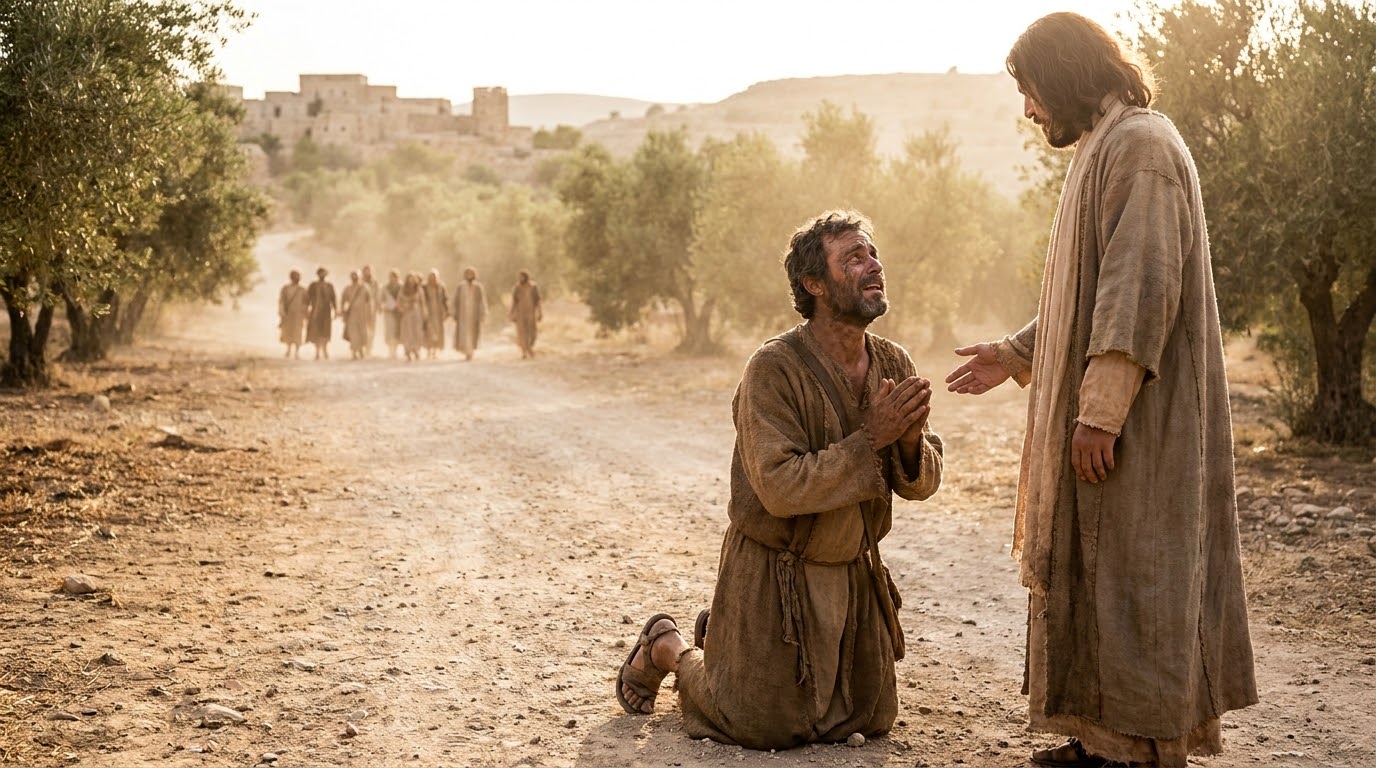
Yet only one of the ten—a despised Samaritan foreigner—stopped in his tracks, turned around, and came running back to fall at Jesus’s feet in loud praise. Highlighted in our study of 6 Powerfully Grateful People in the Bible, this encounter reveals why thanksgiving is the bridge that turns an outward blessing into inward spiritual wholeness.
📖 Key Biblical Passage: Luke 17:11–19
- Luke 17:11–13: Walking along the borderland between Samaria and Galilee, Jesus is met at a required quarantine distance by ten lepers crying out: “Jesus, Master, have pity on us!”
- Luke 17:14: Jesus instructs them, “Go, show yourselves to the priests.” And as they go along the road in obedience, all ten are physically cleansed.
- Luke 17:15–16: Seeing that he is healed, one of them—a Samaritan—turns back, praising God in a loud voice, and throws himself at Jesus’s feet to thank Him.
- Luke 17:17–19: Asking softly, “Were not all ten cleansed? Where are the other nine?”, Jesus tells the grateful man: “Rise and go; your faith has made you well.”
4 Transformative Lessons from the Healing of the Ten Lepers
1. “As They Went, They Were Cleansed”: Healing in the Step of Obedience (Luke 17:14)
Under Levitical law (Leviticus 13:45–46; 14:1–32), a person with leprosy had to live outside the village camp and stand at a distance from healthy travelers. Only when a leper had already been healed was he permitted to travel to a priest, who served as a public health inspector to verify the healing and issue the certificate allowing the person to hug their family and re-enter society.
Now look at the test of faith in Luke 17:14: Jesus didn’t touch them first or pronounce them healed while they were standing still! While their skin was still covered in spots, He told them, “Go, show yourselves to the priests.” They had to turn and start walking toward the priest before they saw a single physical change on their hands—and “as they went, they were cleansed.” Just like Joshua marching around Jericho, God’s provision frequently meets us in the middle of our first obedient step forward.
2. Why Nine Kept Walking: When We Love the Gift More Than the Giver (Luke 17:17–18)
Why didn’t the other nine men come back to say thank you? It wasn’t because they were wicked men—in fact, they were devoutly carrying out Jesus’s exact instruction to get their priestly clearance certificate so they could run home to their wives, children, and farms after years of isolation!
Yet the moment they got the physical blessing they wanted, they got so excited about the gift that they forgot all about the Giver. Listen to the quiet ache in Jesus’s three questions in Luke 17:17–18: Were not all ten cleansed? Where are the other nine? Has no one returned to give praise to God except this foreigner? Offering prayers of thankfulness from a grateful heart delights the heart of Jesus because so few slow down to return.
3. As Loud With Our Praise as We Were With Our Plea (Luke 17:13, 15)
Compare the volume of verse 13 with the volume of verse 15. In verse 13, when the ten men were desperate for help at the edge of town, they “called out in a loud voice” for mercy. In verse 15, when the Samaritan saw his healed hands, he came back “praising God in a loud voice” and fell facedown at Jesus’s feet!
Notice that the distance between him and Jesus was gone: before, he had to stand far off outside the gate (verse 12); now, cleansed by grace, he was right at the feet of Jesus! Make it your joyful habit to be just as passionate and vocal in thanking God after an answered prayer as you were when pleading for it.
4. Cleansed on the Outside vs. Made Whole on the Inside (Luke 17:19)
Don’t miss the two different Greek verbs Luke uses in verses 14 and 19. In verse 14, all ten men were physically cleansed (ekatharisthesan)—their skin was healed. But in verse 19, Jesus looked down at the one man who returned to worship at His feet and said: “Rise and go; your faith has made you well” (Greek: sesoken, from sozo—“saved you and made you completely whole”)!
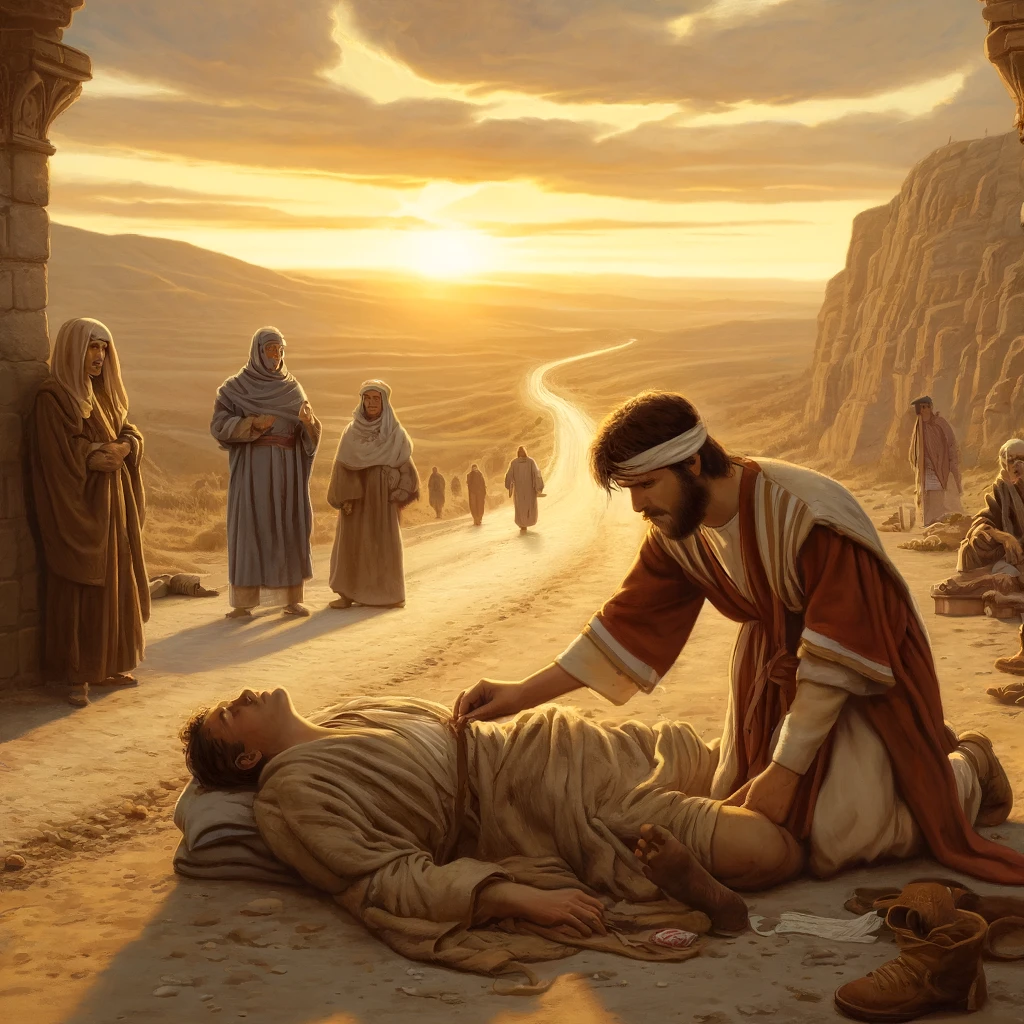
Nine men walked away with healed skin; one man walked away with both healed skin and a saved, overflowing soul! And notice who that one man was: a Samaritan outcast—standing right alongside the Good Samaritan in Luke 10 and the Samaritan woman in John 4 as living proof that outsiders who know how much they need mercy love Jesus most deeply.
🌿 A Quiet-Time Reflection & Breath Prayer for Today
Before you ask God for a single new request today, pause like the tenth leper, turn back on the road of your busy schedule, and thank Jesus for a prayer He has already answered:
- Inhale slowly: “Jesus, I pause my hurry and return to fall at Your feet…”
- Exhale in thanksgiving: “…thank You for Your mercy that heals my life and makes my soul whole.”
Build a life-giving daily gratitude habit with our Free 30-Day Prayer & Gratitude Journal or our Walking in Grace 52-Week Devotional.
Read Next: Fostering Thankfulness — Key Habits for a Grateful Heart →Frequently Asked Questions About the Ten Lepers
Why were Jewish and Samaritan lepers traveling together in Luke 17?
Normally, first-century Jews and Samaritans avoided all social contact with one another. However, shared suffering erased their ethnic divisions: cast out of their respective towns into the borderland wilderness, their common pain united them in seeking mercy together.
Why did the Samaritan come back to Jesus instead of going to the Jerusalem Temple priest?
Once the Samaritan looked down at his healed hands, he realized that Jesus Himself was the true Great High Priest who had cleansed him—and that falling at the feet of the living Temple (Jesus) in thanksgiving was the highest priestly worship on earth!
What is one answered prayer from this past year that you want to pause and publicly thank Jesus for right now? Leave your praise report in the comments below!